

The sandwich children take to school needs little explanation—it provides energy, nutrition, focus and satiety during the long school day. But how do we prepare sandwiches that are tasty, healthy, appealing and ones children will actually eat? Here are the answers.
Breakfast matters
Tali Goldenberg, a clinical dietitian at Maccabi Health Services, stresses the importance of breakfast: “It breaks the long night fast and gives us the energy to start the morning and the day. It helps us begin tasks with more focus and prevents fatigue. Studies have shown that students of all ages achieved better results when they ate a quality breakfast. Another study showed that skipping breakfast, compared to other meals, increases the likelihood of weight gain and related health issues.”
Balanced meals for children
Dafna Ziv Bosani, head of the Clinical Nutrition Unit at Schneider Children’s Medical Center, adds: “During the day, children should eat a variety of foods from all food groups. Meals should include quality protein such as poultry, meat, fish, eggs and dairy. There should be a variety of vegetables, both fresh and cooked, and one to two servings of fruit. Healthy fats such as olive oil, tahini and avocado should be included. Before leaving for school, children should drink or eat something simple like a glass of milk, soy drink with bread and cheese/hummus/tahini, cornflakes or granola with yogurt.”
Rules to follow
Ziv Bosani advises: “Before returning to routine, sit with the children and ask what they prefer, what they like and what they want in their sandwiches. Some children don’t like sandwiches and prefer other foods. Set clear expectations and prepare a weekly plan, so you know what to send each day. Take the opportunity to discuss important nutrients such as calcium, which builds bones, and explain why healthy eating matters. Let the children express themselves, while still introducing your own values as parents.”
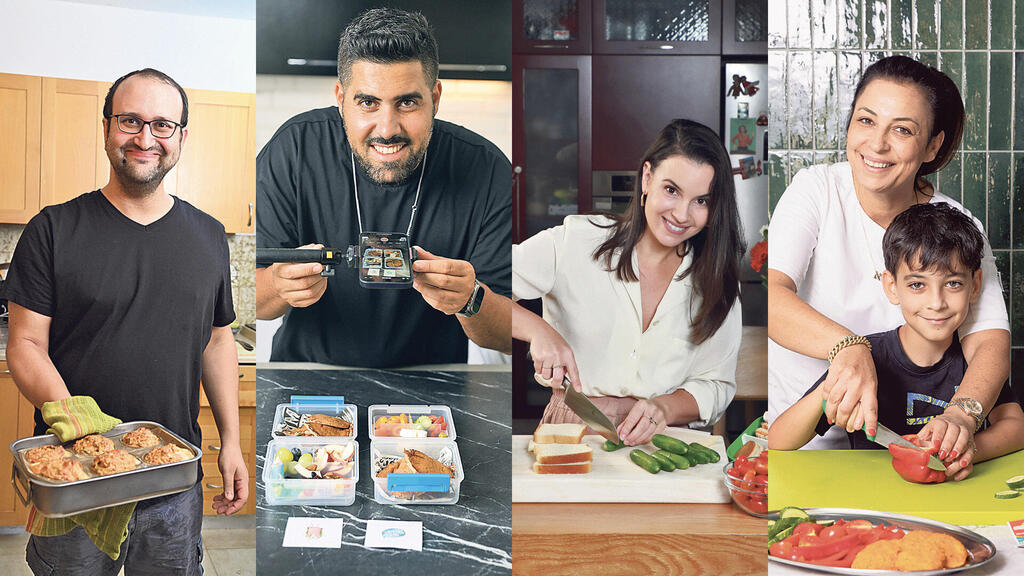
Goldenberg emphasizes variety: “Not every day the same sandwich or meal. If children resist whole-wheat bread, alternate between white bread, pita and whole-grain bread chosen together. This way, you ensure cooperation and broaden their palate.”
She also notes aesthetics: “We all eat with our eyes. Make the food look appealing with nice wrapping, a sticker or a special cut for the sandwich or vegetables. This increases the chance the food won’t come back uneaten. Use containers that keep food intact, avoid overly wet fillings or strong odors.”
Recommended fillings include white cheese, cottage, hummus, tahini, avocado and omelet. For children craving sweets, once a week, you can try homemade spreads like tahini with date syrup. It’s best to pack sandwiches in a box so they don’t get squashed. Some boxes have compartments for cut vegetables, keeping them separate. If you want vegetables inside, use a lettuce leaf to keep them from getting soggy.
Bread is key
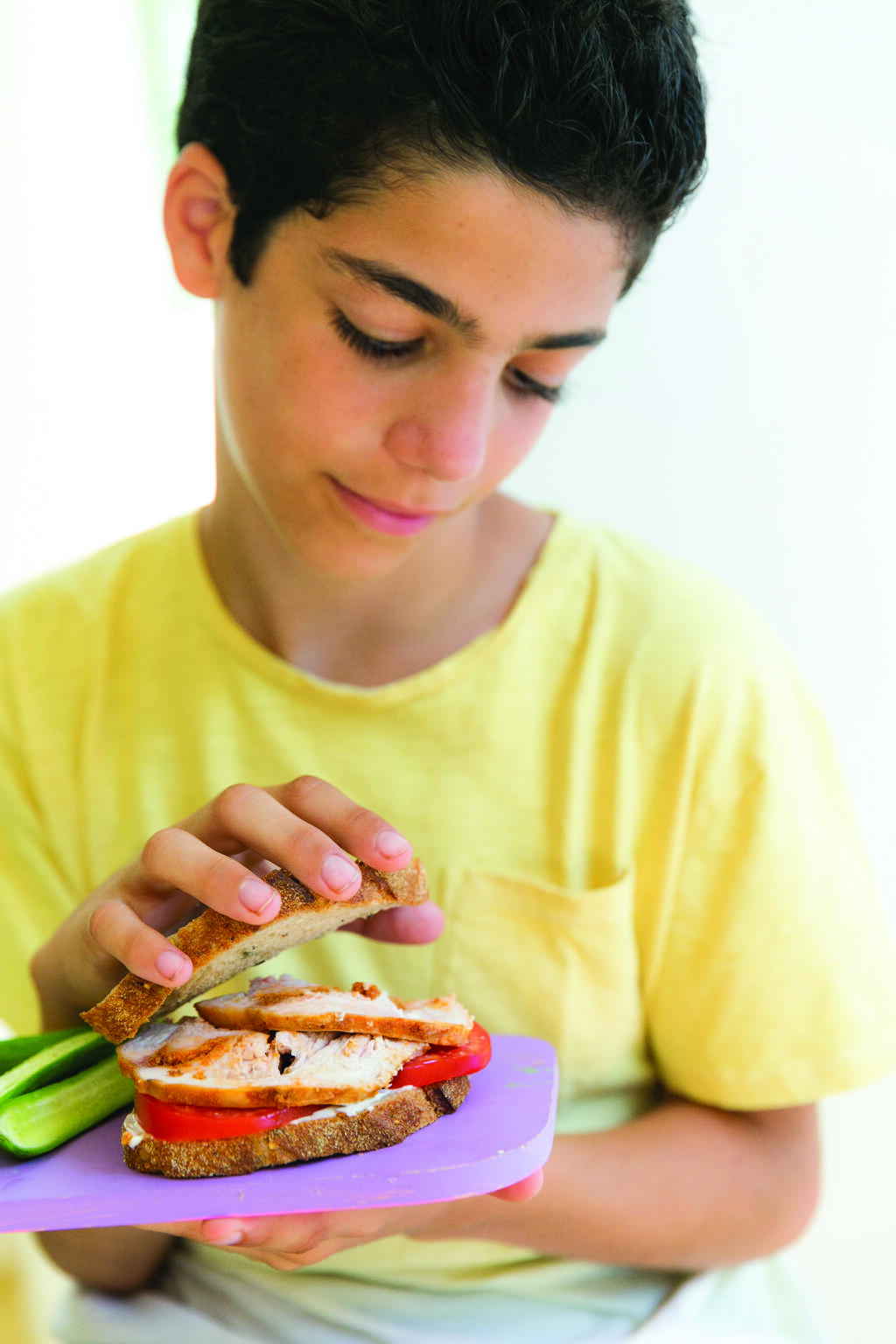
“The bread is the most important part of the sandwich,” says Goldenberg. “Choose whole-grain bread, check the labels to ensure whole-wheat or rye flour is the main ingredient. Pre-sliced bread is recommended—home-slicing tends to produce overly thick slices. The bread should taste good and stay fresh.”
(Photo: Yael Ilan)
For young children, choose the bread and spread together with them. Rotate spreads to keep meals interesting. Familiar options include hummus, tahini, cheeses, avocado, egg and tuna. New sandwiches should be tried at home during dinner to ensure they’re liked before sending them to school.
Spreads and flavors
Spreads can transform simple bread into a flavorful meal. However, avoid spreads with excessive sugar, salt or preservatives. Recommended homemade options include eggplant salad, zucchini salad, sun-dried tomato spread, roasted peppers, homemade pesto, white-bean hummus, almond cheese, lentil spreads or hummus with tahini.
For children who like sweet: designate one day per week for a sweet sandwich, offering healthier alternatives like peanut butter with banana, homemade chocolate spread made from almonds or cashew butter with date syrup and cocoa.
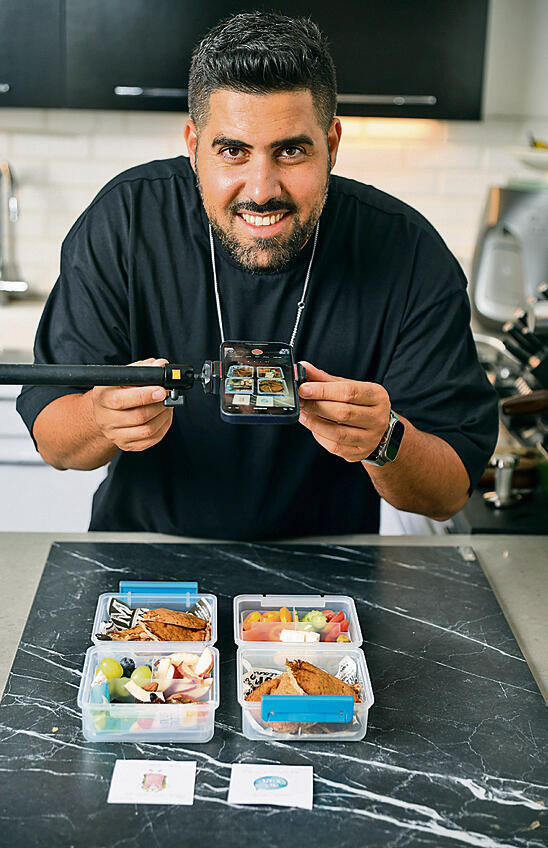
Some children dislike foods mixing together or getting “soggy.” A divided lunchbox allows each item to remain separate.
Weekly menu ideas
Alongside sandwiches, parents can also prepare healthy pancakes, as shared by food blogger Kobi Edri. His recipe for oat pancakes includes oats, flour, baking powder, cinnamon, eggs, cottage cheese, banana and milk, with optional sweet or savory variations. They can be stored in the fridge and reheated.
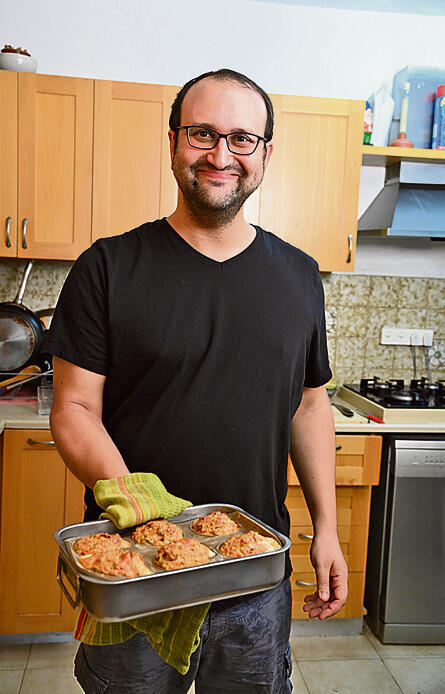
Pizza muffins
Packing lunch for kids is a daily challenge for parents: the food must be nutritious—we don’t want to overload children with sugar but rather help them maintain focus. It should also be varied enough to avoid boredom, yet not stray too far from the familiar. Vegetables should be included, but in a way that makes them easy to eat quickly. And, crucially, the child must actually want to eat it. A lunchbox that comes home full at the end of the day is a major disappointment for parents.
(Photo: Shutterstock)
Pizza muffins are one of the best solutions. They check off many boxes: quick to prepare, keep well in the fridge for several days, flavors kids love and endless room for variation. They can be made entirely from whole grains such as oats and whole wheat flour, or with some white flour if preferred.
You can add toppings children like—black or green olives, fresh or canned corn, even finely diced red onion or thinly sliced mushrooms if they’re up for it. Good-quality cheeses are essential, and dried oregano is a must—it’s the signature pizza flavor. The recipe here was inspired by Orly Paley-Bronstein, who published a similar recipe in her cookbook Small Joys (co-written with Einat Avital).
Ingredients:
- 1 cup rolled oats
- 1 cup white or whole-wheat flour
- 1–2 tsp baking powder
- 1 tsp dried oregano
- ½ tsp fine salt
- 1 cup (240 ml) buttermilk or liquid yogurt
- 100 g yellow cheese (e.g., gouda) or mozzarella, grated
- 1 tsp tomato paste
- 4–6 sun-dried tomatoes, finely chopped
- ½ cup black or green olives, pitted and chopped
- 1 large egg
- 2 tbsp olive oil
Instructions:
- Preheat oven to 180°C. Grease and flour a 12-cup muffin pan.
- Combine all dry ingredients (flour, oats, baking powder, salt) in a bowl.
- Add all remaining ingredients (buttermilk/yogurt, grated cheese, sun-dried tomatoes, tomato paste, oregano, olives, egg and olive oil) and mix until uniform.
- Divide mixture evenly into muffin cups and bake 20–25 minutes, until golden and a toothpick inserted comes out mostly clean.
- Allow to cool slightly before removing. Store refrigerated for up to a week (though they’ll likely be eaten long before).
Pumpkin fritters by pastry chef Keren Kadosh
Let’s admit it—school lunches are tough. Every afternoon, when the lunchbox comes back, the big question is: empty or full? Excuses like “I forgot” or “I didn’t have time” lead to kids returning hungry and irritable.
(Photo: Avigail Uzi)
Since discovering divided lunchboxes, it’s been easier to provide variety in appropriate portions for a school day ending around 2 p.m. But the sandwich-filling dilemma remains. Add to that the Instagram era—where presentation feels like a competition—and the pressure grows.
Still, practicality is key. With four boys (one in the army, one in a pre-military program and two in elementary school), I’ve found baked vegetable fritters are a game-changer. Prepare them the day before, and mornings become much easier. This time, I made pumpkin fritters, but zucchini, potato, beet or any vegetable kids like works too. Hard cheeses can also be added to taste.
Ingredients:
- 500 g pumpkin
- 1 onion, chopped
- 1 garlic clove, crushed
- 1 egg
- ½ tsp salt
- Pinch black pepper
- ½ cup grated hard cheese (e.g., Kashkaval)
- 2 tbsp olive oil
- 2 tbsp flour
Instructions:
- Grate pumpkin and place in a bowl.
- Fry chopped onion and let cool.
- Add all remaining ingredients and refrigerate for 30 minutes.
- Preheat oven to 180°C.
- With wet hands, shape patties.
- Place on a greased tray, bake 7 minutes, flip and bake 7 minutes more.
Noa Rosin’s homemade toast
For me, preparing my son’s lunchbox feels like hosting him inside a little container. I’ve always been an early riser, from my days hosting a morning show and there’s a special joy in imagining what I’ll pack for him. Practicality matters, but in the end, his favorite is still the classic toast.
Pizza muffins
(Photo: Yair Sagi)
I try to fill the box with healthy colors—vegetables and almonds. Not every box comes back empty, but it’s still fun. I use Israeli ingredients whenever possible.
Ingredients:
- Good organic bread
- Ketchup
- Organic yellow cheese
- Cherry tomatoes
- Sides: grapes, almonds, nuts and a small note with a fun fact about the world
Instructions:
- Spread ketchup on bread.
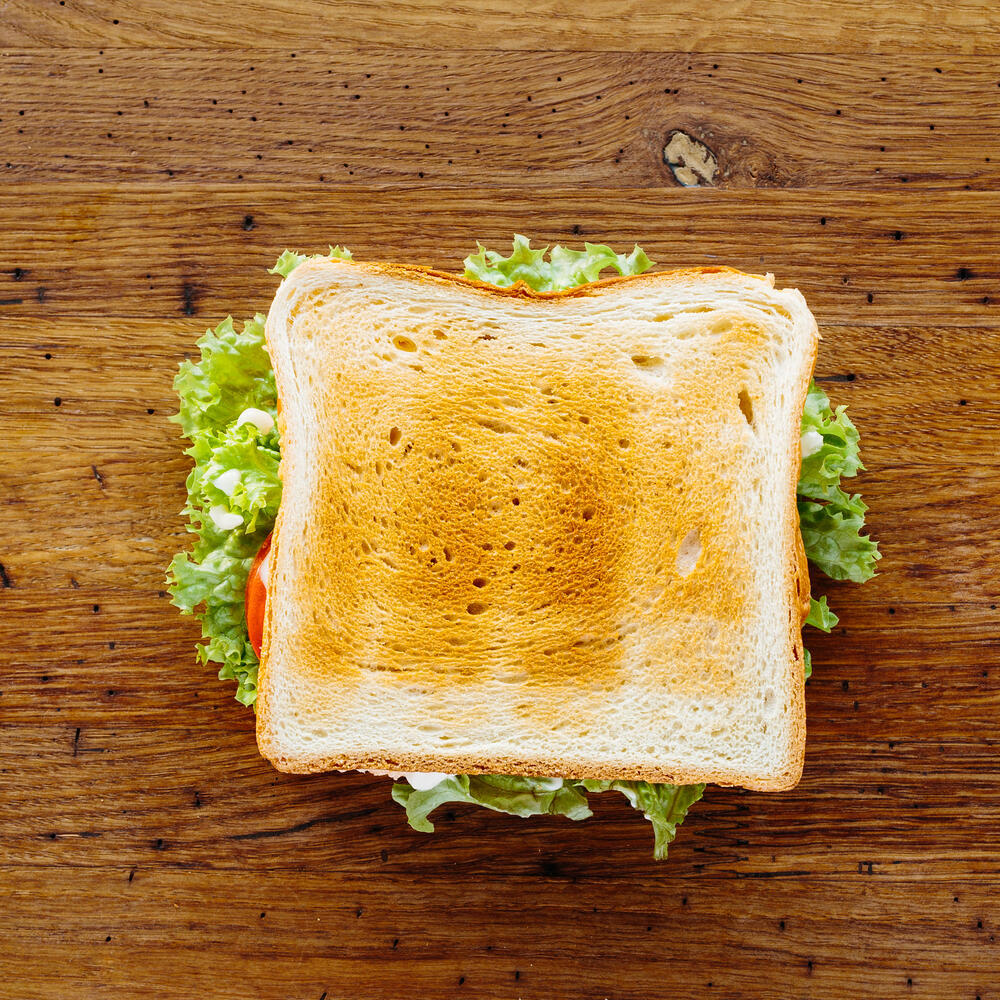
- Place a slice of cheese, add sliced cherry tomatoes on top.
- Toast until the cheese bubbles.