

For most people, lemons are an afterthought. You spot the bright yellow fruit at the supermarket or local produce stand and toss a few into your cart. But behind what may be the most popular fruit in the kitchen lies a surprisingly rich culinary world.
Different varieties offer distinct textures, aromas and levels of acidity, and each serves a different purpose, from salads and main dishes to desserts.
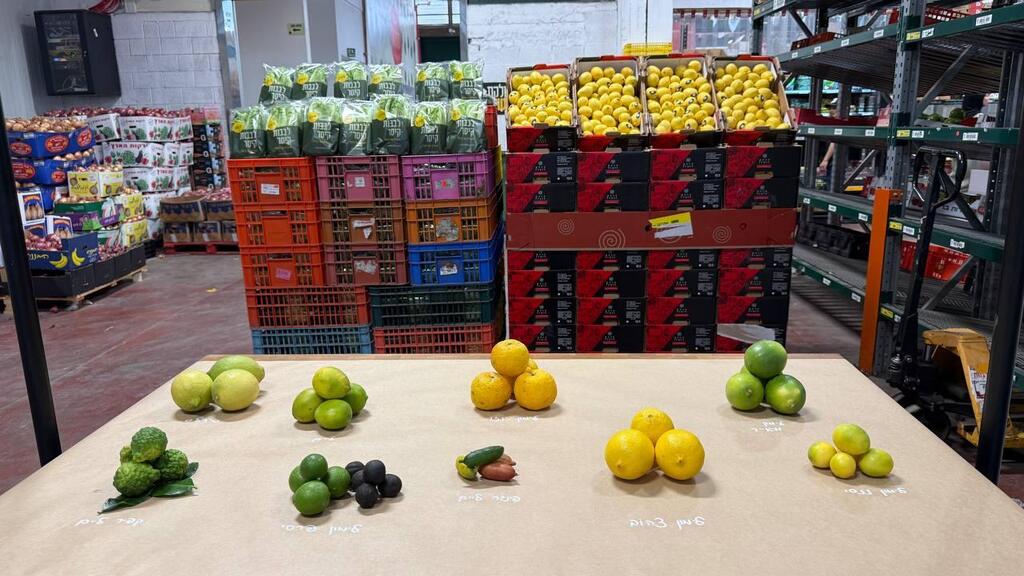
So we set out to learn what’s really going on in the lemon department: Which varieties are grown in Israel? What sets the 'common' lemon apart from the specialty types? What is each one best used for? And how do you choose the right lemon to make your dish sharper, more balanced, and above all, more delicious?
Naor Hassid, co-CEO of the Israeli produce delivery service Carmella, offers a few tips for identifying a high-quality lemon.
“I always go for a smaller lemon, not too big, so I’m not throwing half of it away,” he said. “It should have a shiny peel, feel slightly soft, and have some weight to it. If it’s too light, that means it doesn’t have much juice.”
What’s the most common mistake people make when using lemons?
“People use it too early. Lemon is a 'closure', it wraps up the dish, making the fine-tuning, so always make sure to use it last. Start with salt, finish with lemon."
What’s your golden rule for cooking with lemons?
“If you can, match the lemon variety to the dish. It may sound pretentious, but it really changes the flavor. For example, kaffir lime is great for Asian cooking, lime is best for raw fish, and Meyer lemon works well in dishes with lots of liquid."
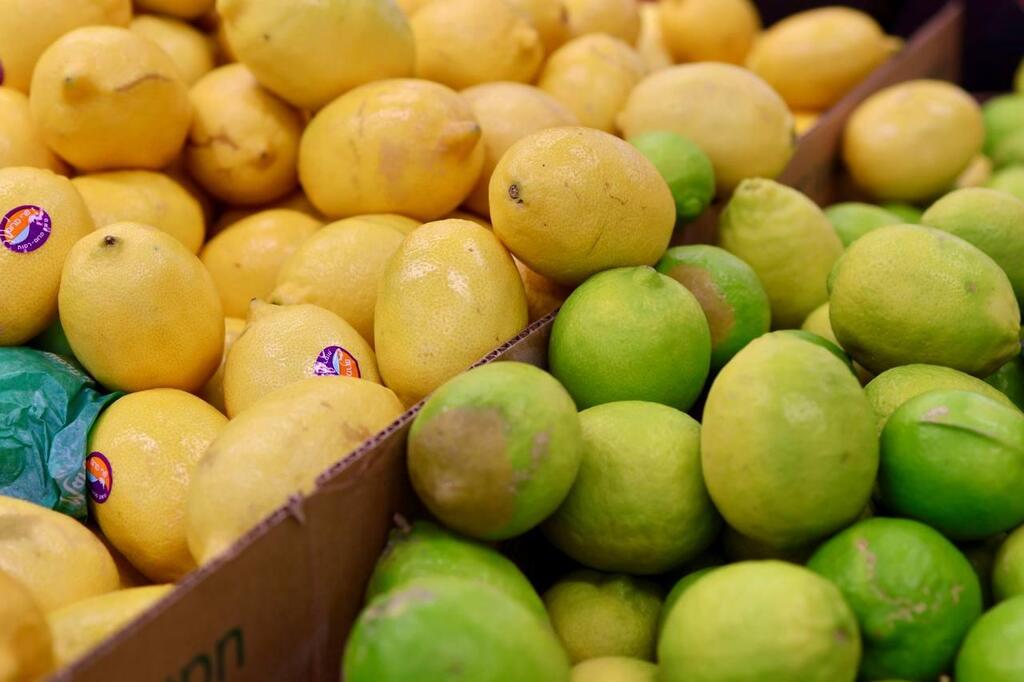
(Photo: Sapir Gordo)
To help navigate the options, Hassid walked us through some of the lemon varieties grown in Israel:
Meyer lemon – A natural hybrid of lemon and mandarin. Less acidic than typical lemons, with a floral aroma and lots of juice. Its mild sweetness makes it perfect for smoothies, drinks and desserts, and it also works well in delicate sauces.
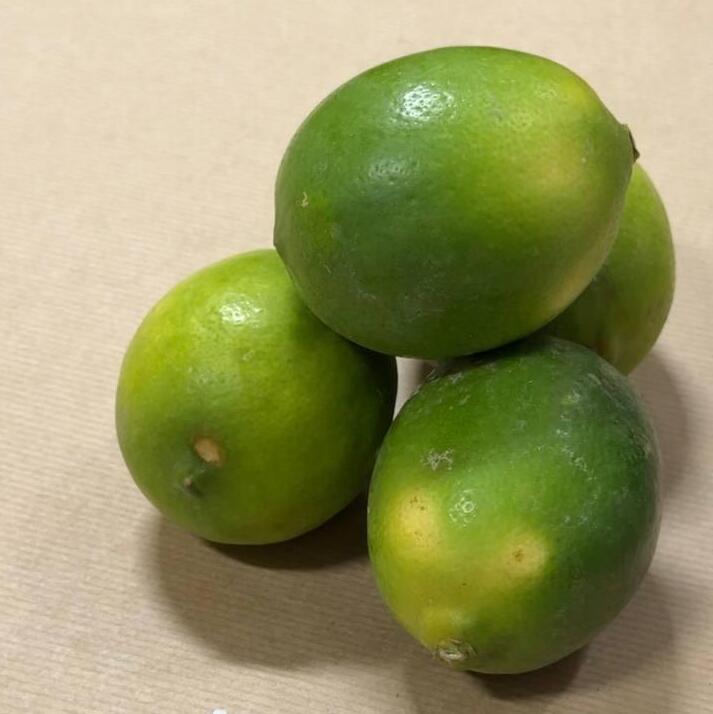
Meyer lemon
(Photo: Sapir Gordo)
Yuzu – Known as “Japan’s citron.” Its peel is aromatic and intense, with a fragrance that’s somewhere between grapefruit, mandarin and lemon. It’s low on juice, but that’s perfectly normal. Yuzu is prized for its zest and is used in sauces, pickling and fermentation. It is considered a premium ingredient in fine dining worldwide.

Yuzu
(Photo: Sapir Gordo)
Lime – A green cousin of the lemon with a more subtle tartness. Popular in Asia, Mexico and the Caribbean. Ideal for fresh dishes like guacamole and ceviche, and perfect for Thai cooking, cocktails and fish marinades.

Lime
(Photo: Sapir Gordo)
Seedless lemon – Easy to use and a standout for one reason: it isn’t waxed, so its peel is clean and naturally suited for zesting and cooking. Its flavor is similar to the classic lemon, making it great for everyday use.
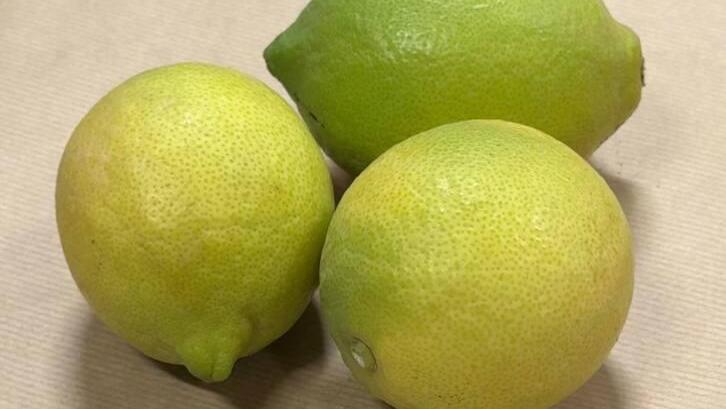
Seedless lemon
(Photo: Sapir Gordo)
Small (dwarf) lemon – An older local variety with a relatively thick peel and strong aroma. Great for making jams, pickling and preserving, since it holds its structure well during long cooking.
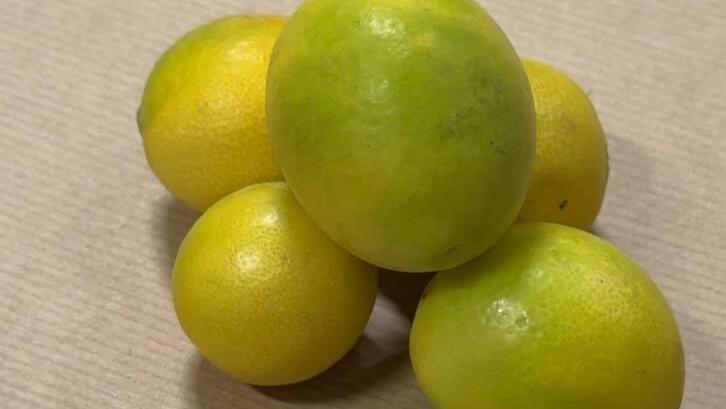
Dwarf lemon
(Photo: Sapir Gordo)
Standard yellow lemon – The classic, all-purpose lemon found in nearly every Israeli home. Balanced acidity, versatile, good for salads, cooking, baking and beverages.

Yellow regular lemon
(Photo: Sapir Gordo)
Finger lime (lemon caviar) – Native to Australia. The inside contains juice-filled pearls that burst in the mouth, like lemon caviar. Excellent for raw fish, sashimi, cocktails or any dish that needs a citrusy pop.

Finger lime
(Photo: Sapir Gordo)
Persian lemon – Usually seen in its dried form, often used in Persian stews. In its fresh (and rarer) form, it’s mildly sweet with a deep, aromatic flavor, almost like a different fruit. Works well in slow-cooked dishes and as a seasoning.
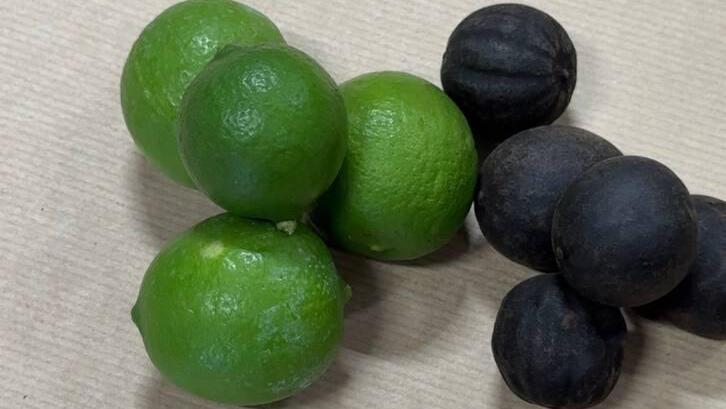
Persian lemon
(Photo: Sapir Gordo)
Kaffir lime – The leaves are the stars here, adding a complex citrus flavor to Thai soups and dishes. The fruit is also excellent, though less commonly used. For years, it was illegal to import or grow in Israel due to plant diseases, but it’s now available. Its zest is highly fragrant and well-suited for Asian cooking and exotic desserts.
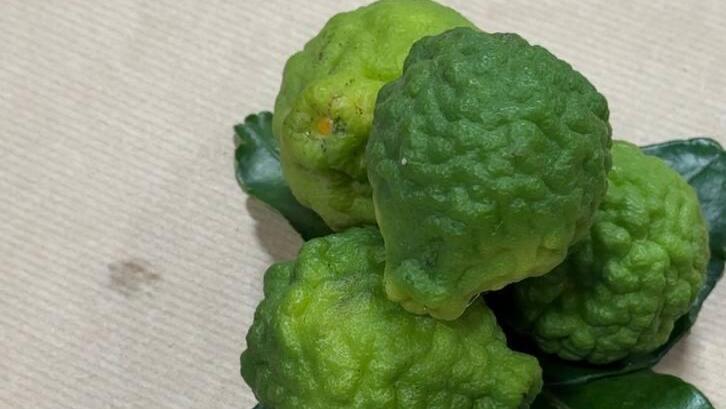
Kaffir lime
(Photo: Sapir Gordo)
Does it pack a nutritional benefit?
Absolutely, but moderation matters. “Its most well-known nutritional benefit is vitamin C, which supports immune function, and that’s why it’s often recommended for preventing winter illnesses,” said Meital Levi, a clinical dietitian with Leumit Health Services. “Like most fruits, lemons are also rich in antioxidants that help reduce inflammation and prevent chronic damage in the body."
Levi noted that nutritional differences between lemon varieties are generally minor, affected more by growing conditions and soil than by the type of lemon.
What’s the best way to consume lemons for their nutritional value?
“In general, the fresher, the better, just like with any fruit,” Levi said. “Slicing and eating it fresh is ideal, but that’s not always practical. So squeezing fresh lemon over a salad is great, and it’s easy to add lemon to almost any dish."
To preserve vitamins, freezing lemon juice is better than storing it in the fridge. “The vitamin content begins to degrade as soon as it’s squeezed. If you juice a lemon and freeze it right away, that’s better than letting it sit in the fridge."
Any downsides to lemon?
As with anything, it comes down to quantity. “Lemons are still fruit, which means they’re high in natural sugars, even if they’re acidic. Drinking a glass of lemon juice every day isn’t healthy for everyone. For those with high blood sugar or cholesterol, it’s not recommended."