

The South Korean cultural phenomenon, Hallyu, has swept the globe over the past decade, bringing K-pop, award-winning films and series like “Squid Game” to the forefront, alongside affordable beauty brands and vibrant cuisine.
Korean restaurants have surged in popularity in the West, fueled by social media trends like viral challenges to devour spicy noodles at breakneck speed. In Israel, Korean food is carving out a niche, though less established than Thai or Japanese cuisines.

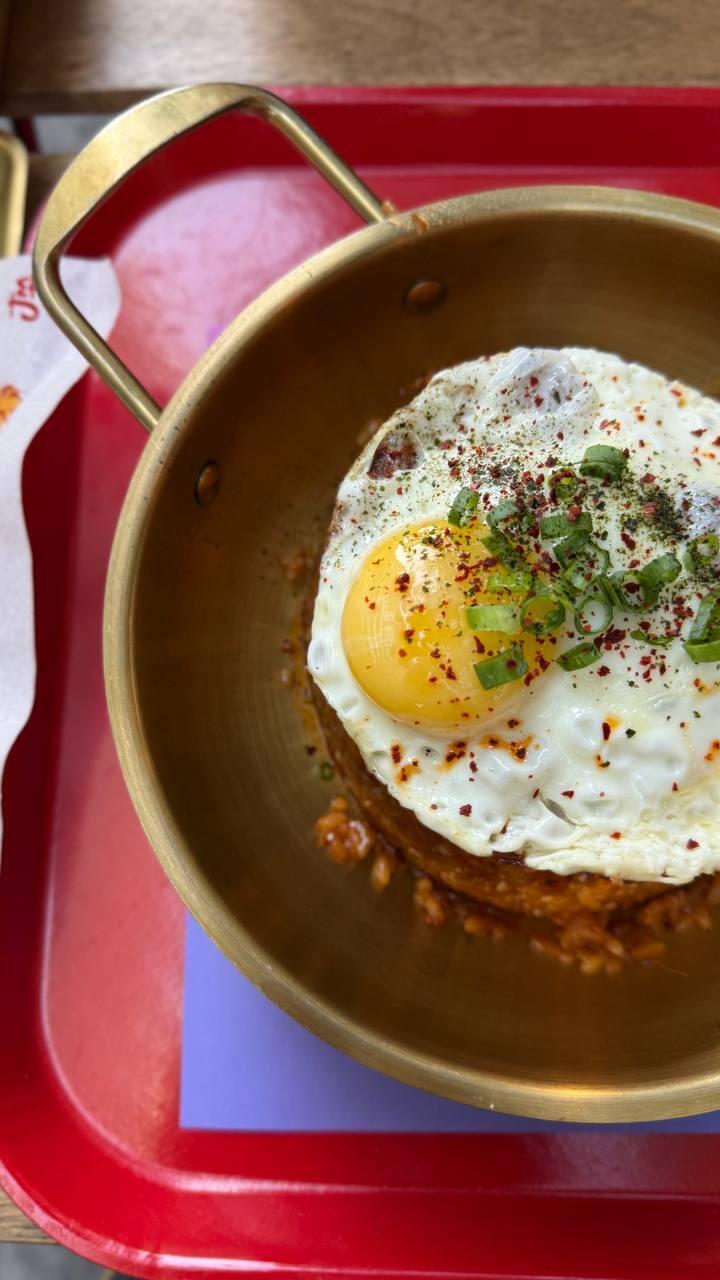
(Photo: Spair Gordo)
Ready-to-cook Korean dishes now line supermarket shelves and the growing number of Israelis traveling to South Korea, documenting their culinary adventures, has amplified the trend.
Korean cuisine blends ancient traditions with modern innovation, often infused with American influences, creating a colorful, textured and flavorful experience. “The Korean kitchen is the Morocco of Asia,” said Taejin Kim-Doron, a South Korean chef who moved to Israel 20 years ago and now hosts private chef dinners.
“Japanese food is clean and subtle, but ours explodes with bold flavors—salty, sour, spicy, everything,” he added. Korean culture views food as a social bond, with shared experiences like K-BBQ, where diners grill meat together, or communal hot soups.
Signature dishes include tteokbokki (rice flour cylinders), Korean fried chicken wings, da ji pai (a giant schnitzel) and corn dogs (fried mozzarella coated in spicy sauce, served on a stick). Rice, a staple, features prominently, with “bap” indicating rice-based dishes like gimbap, Korea’s sushi equivalent.
Get the Ynetnews app on your smartphone: Google Play: https://bit.ly/4eJ37pE | Apple App Store: https://bit.ly/3ZL7iNv
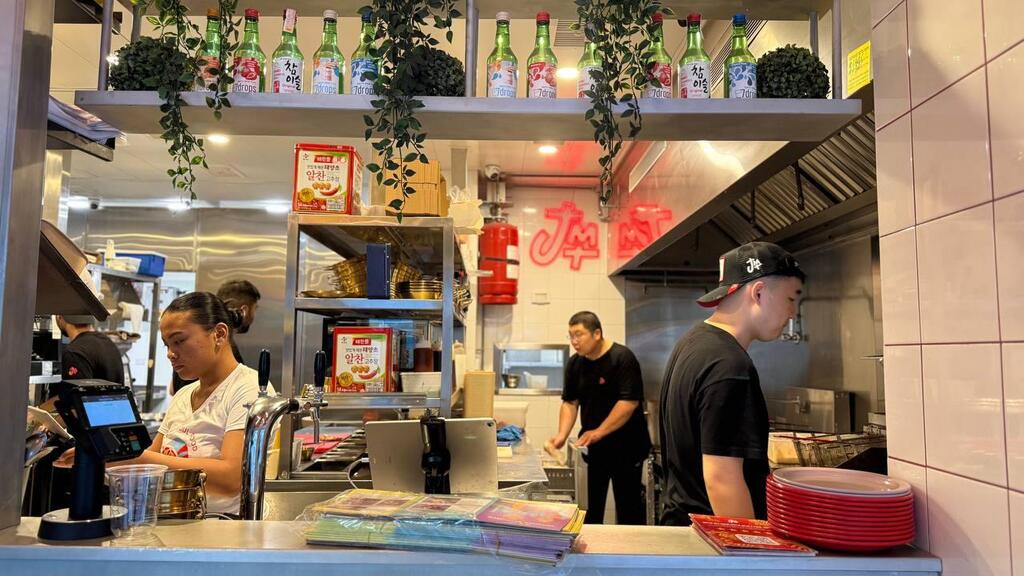
JMT restaurant
(Photo: Sapir Gordo)

(Photo: Sapir Gordo)
American influence has shaped modern Korean cuisine, particularly since the Korean War, when U.S. military presence introduced new ingredients. “Young people started mixing melted yellow cheese with tteokbokki, our most popular street food,” Kim-Doron explained.
“No one thought our spiciness would pair with cheese but it enhances the dish amazingly—I’m still shocked.” Korean beverages, notably dalgona coffee—a frothy, creamy drink that went viral on TikTok during the COVID-19 pandemic—have also gained global traction, appearing in cafés worldwide.
Korean desserts, once simple and rooted in natural ingredients like rice, red beans, dried fruits and honey, have evolved into extravagant, social media-ready creations. Traditional treats like sweet rice cakes have given way to photogenic confections designed for Instagram as much as for eating. “Desserts are everywhere in Korea, but now they’re bolder to grab attention,” Kim-Doron noted. “Honestly, they’re not always tastier—too much chaos.”
In Tel Aviv, JMT restaurant’s pop-up dessert event, running through August, showcases treats like bongopang (fish-shaped waffles with sweet filling), mangomung (fried coconut-mango rolls with white chocolate glaze), bubble tea with tapioca and bingsu, a traditional shaved ice dessert upgraded with vibrant toppings like syrups, fruits and chocolates for the TikTok era. The desserts cater to varied tastes, blending tradition with modern excess.