

It is difficult to find an Israeli kitchen without a jar of tahini. It accompanies falafel and shawarma, is added to sandwiches, salads and cooked dishes, and even appears in desserts. Yet despite its popularity, many people know little about how it is produced, what distinguishes the different varieties and what makes one tahini better than another.
Behind the seemingly simple sesame paste lies a history stretching back thousands of years, a carefully controlled production process and a long list of nutritional benefits. There are also several kitchen secrets: why ice water is considered essential for good tahini, whether the ingredients should rest before mixing and how to identify a quality product.
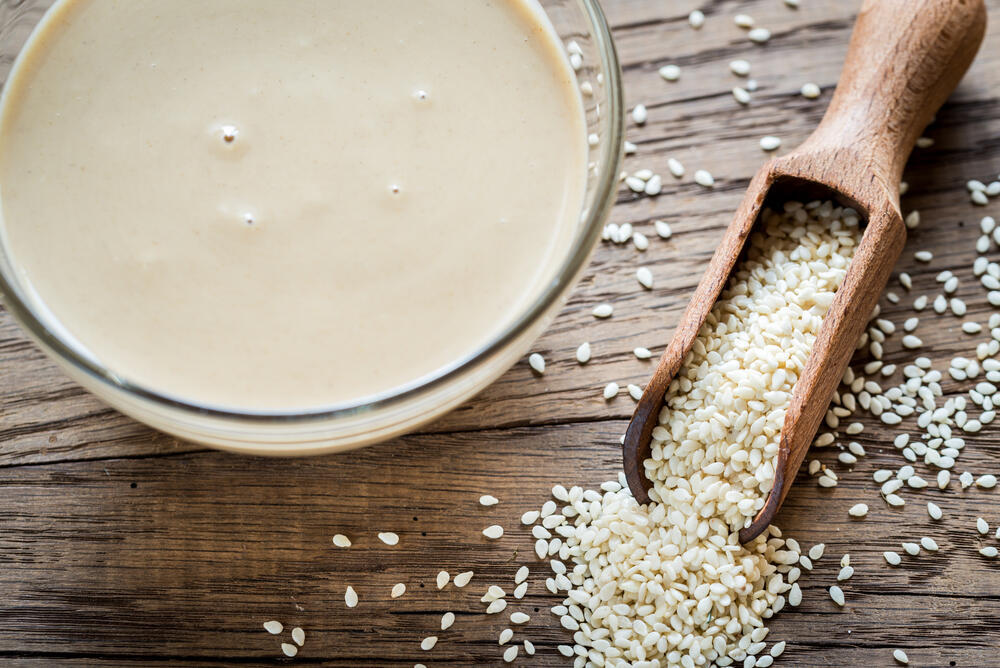
From Ethiopia to Mesopotamia: A 5,000-year journey
Much of the sesame used to produce tahini in Israel comes from Ethiopia. The Humera sesame is considered by many manufacturers to be among the finest varieties in the world because of its delicate flavor and high oil content.
Tahini’s history, however, began long before Ethiopian sesame became prized by modern producers. The earliest evidence of sesame and tahini consumption dates back about 5,000 years to Mesopotamia, in what is now northern Iraq. Sesame cultivation later spread across the Fertile Crescent and eventually reached Egypt and the Land of Israel, where it became deeply embedded in the local culinary tradition.

Mesopotamia, where it all began
(Photo: Stock City / Shutterstock)
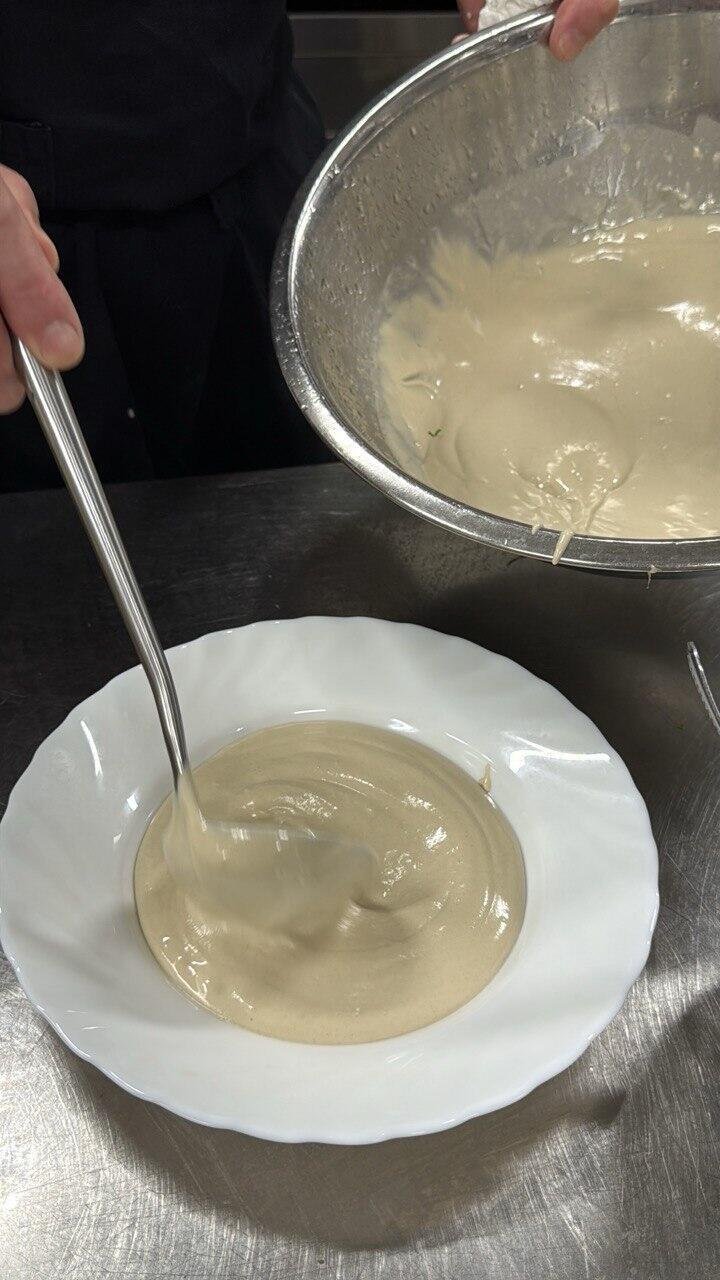
Despite its short ingredient list, producing tahini involves several important stages. The sesame seeds are first cleaned and soaked in water to help remove their hulls. They are then dried and roasted at a controlled temperature, a stage that influences the color, aroma and flavor of the finished product.
Finally, the seeds are ground into a paste. Traditional production uses slowly rotating millstones to prevent overheating, which can damage both the flavor and the quality of the oil.
Tahini
(Photo: Sapir Gordo)
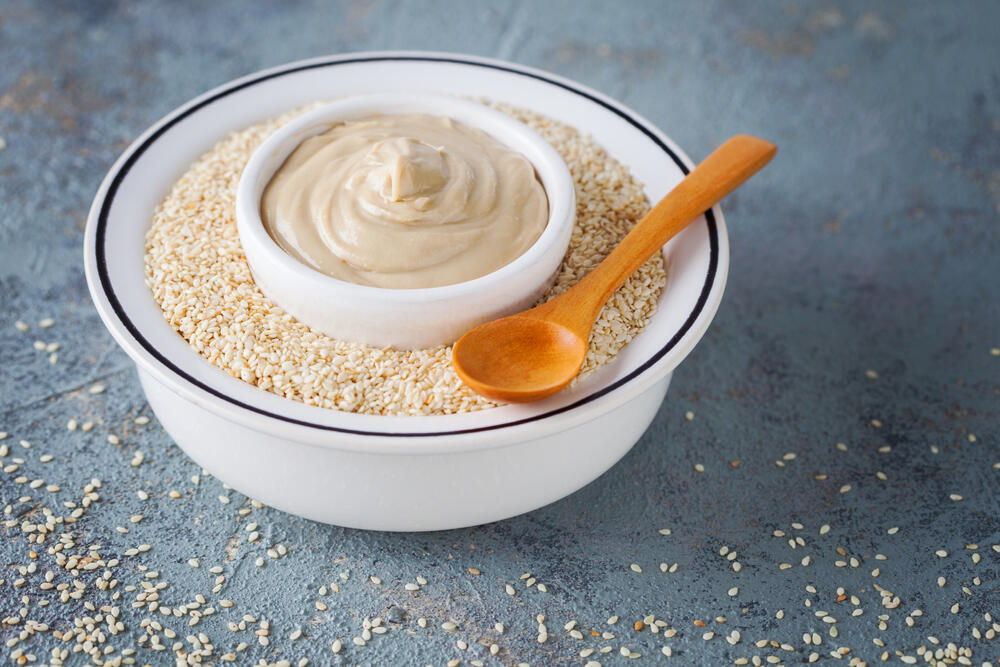
Several main types of tahini can be found on supermarket shelves. White raw tahini is made from hulled sesame seeds, giving it a pale color, mild flavor and smooth texture. Whole sesame tahini is made from unhulled seeds. It is darker, slightly more bitter and contains more fiber and minerals. Organic tahini is produced from sesame grown without synthetic pesticides, while flavored tahini spreads include additions such as chocolate, date syrup or pistachio and have become increasingly popular in recent years.
A chef’s secrets for perfect tahini
The quality of tahini depends not only on the sesame itself, but also on how it is handled. To learn how to choose a good product and prepare the perfect dip, we spoke with Jonathan Borowitz, owner of M25 restaurant.
Tahini
(Photo: matka_Wariatka / Shutterstock)
What should shoppers look for when choosing tahini?
“Most people already know which tahini they prefer and tend to stick with a particular brand. Premium varieties, especially whole tahini made from Ethiopian sesame, may cost a little more, but personal taste still plays a major role.
“The most important thing is to check the label and make sure the product is made from 100% pure sesame, with no added ingredients.”
What ratio of tahini, water and lemon produces the ideal consistency?
"It depends on how the tahini will be served. For a tomato and tahini salad as served in our restaurant, I use less water so it stays thick and full-bodied. For falafel in a pita, I add more water to create a thinner consistency."
Does the order in which the ingredients are added matter?
"No, the order does not matter. But for the best texture, I recommend letting the tahini, water and lemon juice sit together briefly before mixing. It gives the ingredients time to settle together and makes the mixing process much easier."
Why does tahini sometimes separate while being mixed?
“Tahini is naturally high in fat, which can cause it to tighten and split during mixing. Letting the ingredients rest together briefly before stirring makes them easier to combine and helps prevent lumps.”
What should be done with the layer of oil that collects at the top of the jar?
"Never pour it away. The oil is one of the most important parts of tahini. It should be stirred back into the paste before use."
What creative combinations do you use in your kitchen?
“I don’t. To me, tahini is pure and should be left that way. We have served the same tomato and tahini salad at the restaurant for more than a decade, and I still think it is perfect as it is. People add beetroot, yogurt or amba, and anything goes in cooking. But for me, tahini should contain only tahini, ice water and lemon juice, with perhaps a little salt if needed. Less is more.”
What is your top advice for making perfect tahini?
"Do not add ingredients that do not belong. Tahini does not need garlic, rosemary, thyme or yogurt. And of course, use ice water. Ice water is crucial for creating the emulsion. It lightens the tahini and extends its shelf life.
One spoonful a day: A dense source of nutrients
Tahini is often described as a superfood, but does it truly deserve the label? Although it is classified nutritionally as a source of fat, it offers far more. Tahini is rich in unsaturated fats, provides plant-based protein and contains minerals such as calcium, iron, phosphorus and manganese. It also supplies B vitamins, including thiamine and vitamin B6, which help the body produce energy. One tablespoon of raw tahini, about 15 grams (0.5 ounces), contains roughly 90 calories and delivers a high concentration of nutrients.
To better understand its health benefits, we spoke with Dr. Sigal Frishman, national dietitian for Clalit hospitals.
Is tahini really a healthy food?
"Yes. Tahini is an unprocessed plant-based food that fits the recommendations of the Mediterranean diet. It is made from whole or hulled sesame and is rich in healthy fats. Along with olive oil and avocado, it is considered one of the three stars of the disease-preventive Mediterranean diet. In addition to essential monounsaturated and polyunsaturated fatty acids, it contains calcium, some protein, vitamins and vitamin E."
How much tahini should be consumed per day?
"The current approach focuses less on counting calories and more on their quality. One tablespoon of raw tahini is a serving of fat containing about 90 calories. The recommendation is to include vegetables, protein and a serving of healthy fat, such as two tablespoons of tahini, with every main meal.
"There is no need, however, to impose a rigid limit of one spoonful or one teaspoon. Adding another tablespoon is not a problem. Tahini is not what makes people gain weight."
Is whole sesame tahini always the better choice?
“Whole tahini contains more fiber and calcium because it includes the sesame hull. However, that fiber can also slow nutrient absorption. Both varieties have benefits, so it is best to vary them according to taste. Tahini’s main nutritional role is to provide healthy fat, while the salad served alongside it can supply the fiber.”
How should tahini be incorporated into a weight-loss diet?
“The fatty acids in tahini remain important even during weight loss. Those looking to reduce their calorie intake can simply limit the portion, for example by having one tablespoon with a meal instead of two.”
Does tahini raise blood sugar levels?
"Tahini has a very low glycemic value because it is mostly fat, and fat does not raise blood sugar. In fact, adding tahini to a carbohydrate-rich food such as a slice of bread slows sugar absorption and lowers the glycemic value of the entire meal, which is beneficial."
Does tahini need refrigeration? Myths and facts
Oil separation, refrigeration and freezing have inspired countless kitchen rules about tahini, but many are based on myth rather than fact. Baking with tahini, for example, does not diminish its nutritional value.
Drawing on the guidance of Borowitz and Frishman, here is what is true, what is not, and how to handle tahini properly.
Has the tahini spoiled? Not necessarily
A layer of oil at the top of the jar does not mean the tahini has spoiled. It is the result of a natural process called phase separation: the heavier sesame solids sink while the oil rises. That oil is high-quality sesame oil and acts as a natural protective layer, helping keep the tahini below from drying out or developing mold. Simply stir it back in until the mixture is smooth and uniform.
Refrigeration is not required
Another widespread belief is that raw tahini must be kept in the refrigerator. In fact, refrigeration is not essential. Raw tahini contains almost no water, making it difficult for bacteria or mold to grow. Its natural storage place is a cool, shaded pantry.
Keeping it in the refrigerator may slightly extend its shelf life and help prevent the oil from becoming rancid during the Israeli summer, but it also makes the tahini hard, thick and difficult to mix.
This applies only to raw tahini. Prepared tahini mixed with water, lemon juice or garlic must be refrigerated and should be consumed within several days because of the added moisture.
Should prepared tahini be frozen?
The general recommendation is to avoid freezing it. When prepared tahini containing water and lemon juice is frozen, the water turns into ice crystals. During thawing, the emulsion can break, separating the water from the fat and leaving the tahini grainy, watery and unappealing. Those who nevertheless freeze it can try to restore the texture by mixing it vigorously or briefly processing it with a food processor or immersion blender.
Raw tahini, however, has no practical or culinary reason to be frozen in the first place.