

Just a year ago, agriculture in the Upper Galilee was hit hard by the fighting with Hezbollah. Rockets, drone strikes and fires froze harvests across hundreds of acres, damaging orchards, infrastructure and vital links in the food chain – and of course the farmers themselves.
Even so, their determination never broke. They continued to cultivate the land despite missiles, wildfires and a severe shortage of workers.
Thanks to strong kibbutz and moshav infrastructure, a cool mountain climate, fertile volcanic soil and steady water sources from the Galilee’s streams – including the Dan, Hatsbani (Snir) and Banias (Hermon stream) – the Upper Galilee remains one of Israel’s greenest, most productive regions.
Its altitude, rainfall and volcanic soil conditions allow for high-quality crops, from orchard fruits and field crops to complex grape varieties and seasonal vegetables.
We toured the region, connected with the land, food and scents, and discovered agriculture that is rooted and resilient, pushing forward despite climate, economic and political challenges.
Here are some standout stops in the Upper Galilee:
Rom Farm: A magical link to nature
Rom Farm, situated on Mount Kammon in the Upper Galilee, is a unique agricultural vocational rehabilitation facility that was established in 1986 by Amit Rom with just 50 goats.

Today, it combines luxury glamping with a goat cheese dairy, an organic vegetable garden, a visitors’ center and a shop.
The farm runs a rehabilitation center for mentally challenged and battle-scarred people, helping them integrate into the community and workforce.
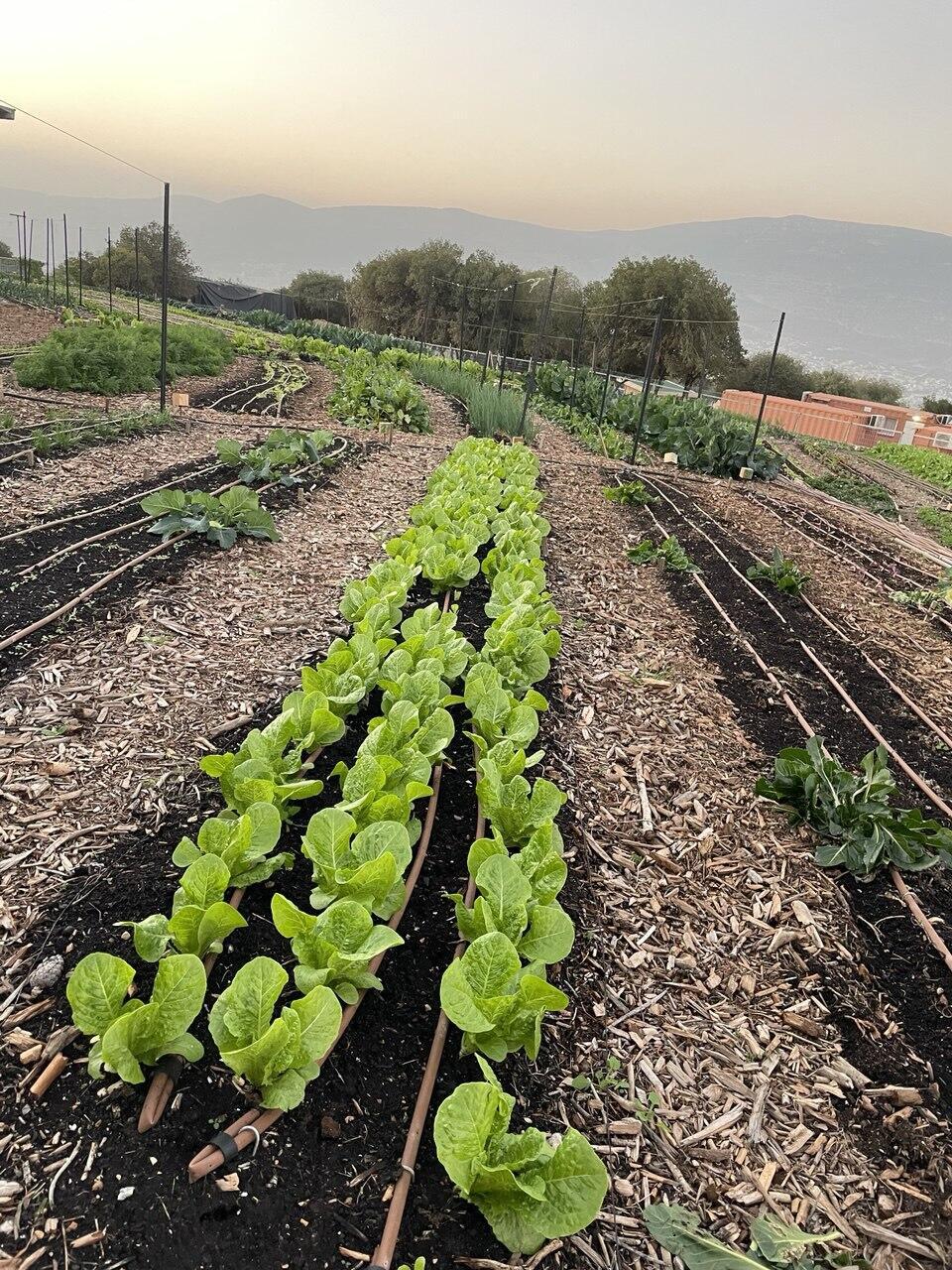
Rom Farm. A look from the outside
(Photo: Tiki Golan)
The farm offers a direct connection to nature and agriculture through guided tours within the orchards, greenhouses and vegetable gardens, where one can learn about ecological farming methods. It also offers cheese tastings of the distinctive cheeses made from the farm’s own goats, reflecting its multifaceted investment in the farm.
Address: Rom Farm | Kammon mountain
Schwartz Farm: 40 varieties of cheese
Schwartz Farm in Sde Eliezer was founded in 1954 by a Satmar Hasidic couple who survived the Holocaust and began raising sheep.
Today, it is run by Oded Schwartz, their grandson, who joined right after his military service. Facing a downturn in the sheep industry, the family launched a private dairy producing more than 40 varieties of cheese from 100% sheep’s milk.
The dairy’s production is entirely in-house: raising the sheep, milking, cheesemaking, marketing and refrigerated distribution.
The flock is fed a special blend developed on the farm to ensure a consistent flavor of the cheese.

Schwartz Farm. Cheeses named after the children
(Photo: Roee Schwartz)
Each worker is responsible for a specific stage, from lambing to sales – a devotion reflected in the rich, nostalgic taste of the cheeses.
The Schwartz cheeses are sold at the farm shop alongside wine and spreads. Each is named after one of Oded’s children – including “Sherry,” a hard aged cheese; “Yoav,” a Bulgarian-style cheese aged nearly a year; “Tamar,” a truffle brie; and “Yehonatan,” a Camembert with berries.
The combination of original recipes and traditional techniques preserves flavors that bring back childhood memories.
Search “Schwartz” on navigation apps | Open Sunday-Thursday 10 a.m.-4 p.m., Friday 9 a.m.-2 p.m.
Pecan Ha'Tzafon (Northern Pecan): Sweeter, juicier
Fifty-five years ago, farmer Beni Yisraeli planted his first pecan trees. He still tends his orchards with devotion. “As kids we used to knock down the nuts with long sticks,” he recalled. “By the 1990s, harvesting became mechanized.”
The soil and unique climate at the Hula Valley in the Upper Galilee are ideal for pecans, with high groundwater and abundant sun producing nuts that are richer, sweeter and juicier.
Yisraeli partnered with his friend Gil Kiryati, and together they turned the pecan grove into a thriving venture. The nuts are processed into pecan butters and dips in a range of flavors, as well as high-quality pecan oil.
Recently, a new visitors’ center opened in the orchards of Moshav Beit Hillel, offering group and private tours. Guests can watch the peeling and roasting process, see oil pressed and the preparing of pecan spreads and baked goods, and get a look at new product developments.
HaMeyasdim 22, Beit Hillel | Open Sunday-Thursday 8:30 a.m.-4:30 p.m., Friday 8:30 a.m.-1:30 p.m. | Call for tours: 054-9845758
Ben Dor Farm: A fruit laboratory
Ben Dor Farm in Yesod Ha'Ma’ala tells the story of five generations of Israeli farming, rooted in Upper Galilee settlement since the late 19th century.
The family has long cultivated deciduous fruit trees and, in recent decades, has become a pioneer in developing new fruit varieties tailored to the local climate with distinctive flavors.
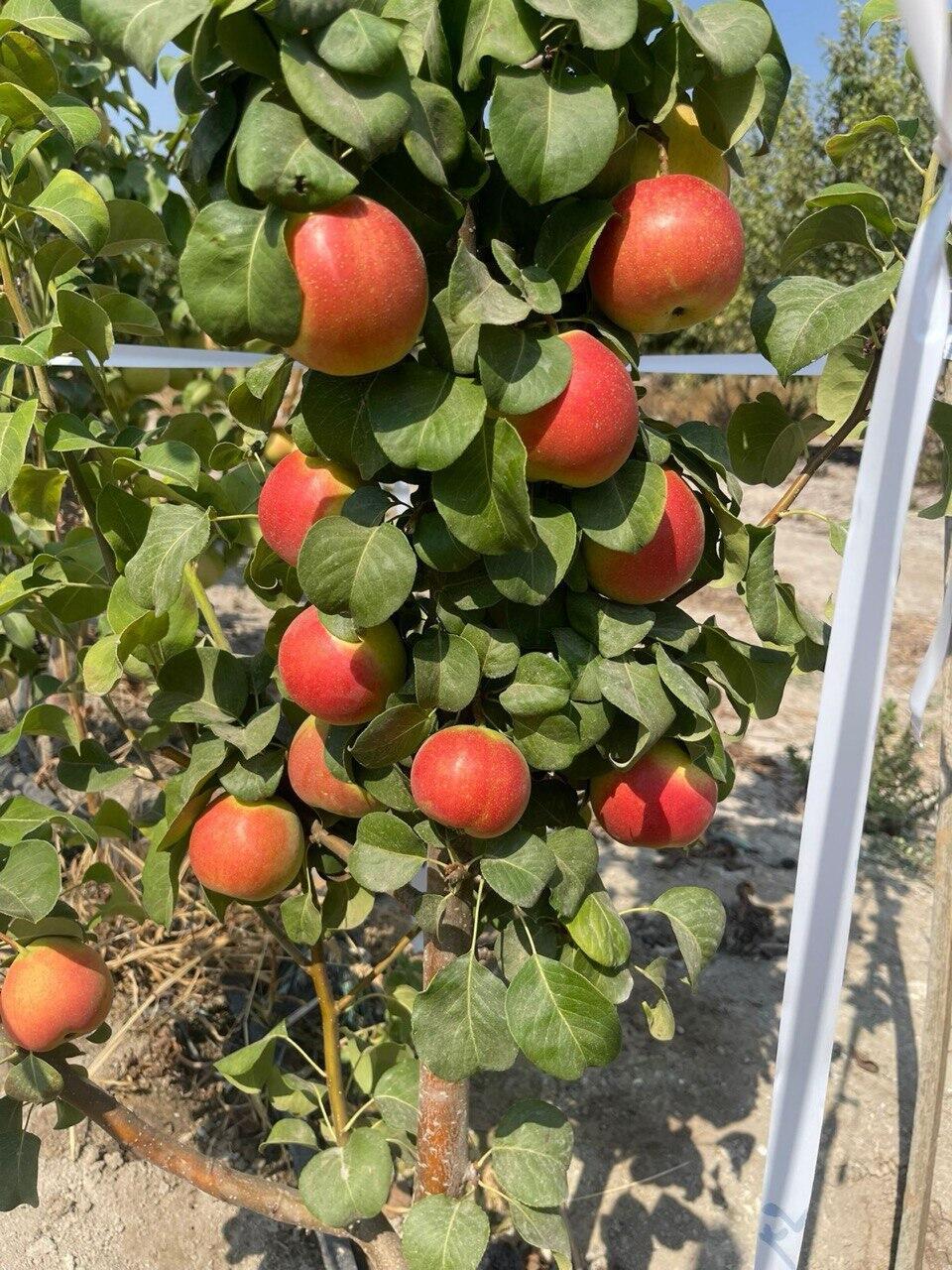
Ben Dor Farm
(Photo: Ben Dor farm)
Among their innovations are the “Pita” nectarine, “Watermelon” plum, “Paradise” pear and a promising new variety called “Eden” – a pear developed over more than a decade that is already being marketed in Israel and abroad.
Known for their high quality, the farm’s fruits are exported in cooperation with growers in other countries. After years of specializing in overseas marketing, the farm also sells directly to Israeli consumers at a shop in their packing house, emphasizing freshness, quality and a personal connection between farmer and customer.
Ben Dor Farm exemplifies family agriculture that blends tradition and innovation, rooted in hard work, a deep bond with the land and an uncompromising commitment to excellence.
Yesod Ha'Ma’ala | Open Sunday-Thursday 8 a.m.-2 p.m., Friday 9 a.m.-3 p.m.
Jullius Craft distillery: A postwar drink
Jullius Distillery is a boutique Galilee producer founded in 2008 at Kibbutz Hanita by Yuval Hargil (“Joov”), a former journalist and filmmaker with a passion for fine spirits who turned his love into a local craft.
His vision was to distill the highest quality, handcrafted alcohol using only the finest, local Galilee ingredients, fruits, grapes and herbs, while staying true to sustainable production.
Jullius was the first in Israel to distill local fruit distillates (known as “schnapps” or “eau de vie”). It was also the pioneer in distilling honey and gin on the basis of local plants.

Jullius distillery
(Photo: Jullius)
Signature products include grappa from local grape varietals, raspberry liqueur, an herbal digestif, a bitter almond liqueur in the style of amaretto, and a range of fruit distillates aged in barrel cellars.
During the Gaza war, the distillery and its visitors’ center were shut down after Hanita was evacuated and declared a closed military zone. Now, Jullius is returning to full operation, once again inviting visitors to taste and tour.
Kibbutz Hanita