


Late at night, on the upper floor of a Manhattan tower, three of the largest sausage manufacturers in the United States sat across from five senior marketing executives. The mood, according to people familiar with the discussion, was tense.
The companies, long associated with ballparks and backyard grills, were facing a reputational problem. Hot dogs had become shorthand for unhealthy food — processed meat, factory leftovers, something consumers were increasingly encouraged to avoid.
“We’ve been branded as junk,” one senior executive said. “We need to get back into people’s minds as something simple and enjoyable — meat, a soft bun, mustard, sauerkraut, pickles.”
Ideas bounced around the room. Slogans were floated and discarded. Then, according to those present, one veteran marketer cut through the noise with a proposal that would cost almost nothing and lift the entire category.
The idea was simple: create a new date on the calendar. National Hot Dog Day.
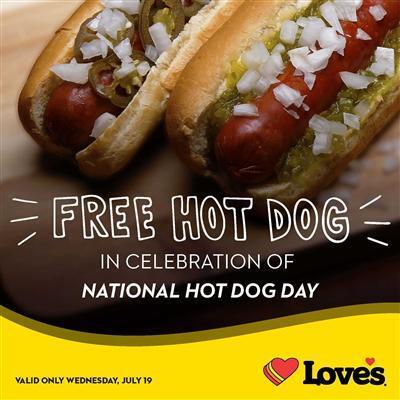
Whether that meeting happened exactly as described is beside the point. What followed is very real. Like countless other foods in the United States, the hot dog now has its own unofficial holiday — July 15 — complete with discounts, marketing campaigns and a surge of consumer attention.
Across the country, the culinary calendar has filled up with similar dates. There are national days devoted to pizza, bagels, donuts, cornflakes, caramel, pecan pie and even “second dessert.” What began as a marketing gimmick has, in many cases, grown into a major commercial event, driving promotions, lines at restaurants and spikes in sales.
Unlike traditional holidays, these food days are not rooted in history.
“There’s no real historical origin,” said Gilad Dolev, a chef and culinary strategy consultant. “These are invented dates. It’s a very American phenomenon. Many popular foods came from elsewhere, but the U.S. adopted them, claimed ownership and built national celebrations around them. At the end of the day, it’s a marketing act designed to increase awareness and sales.”
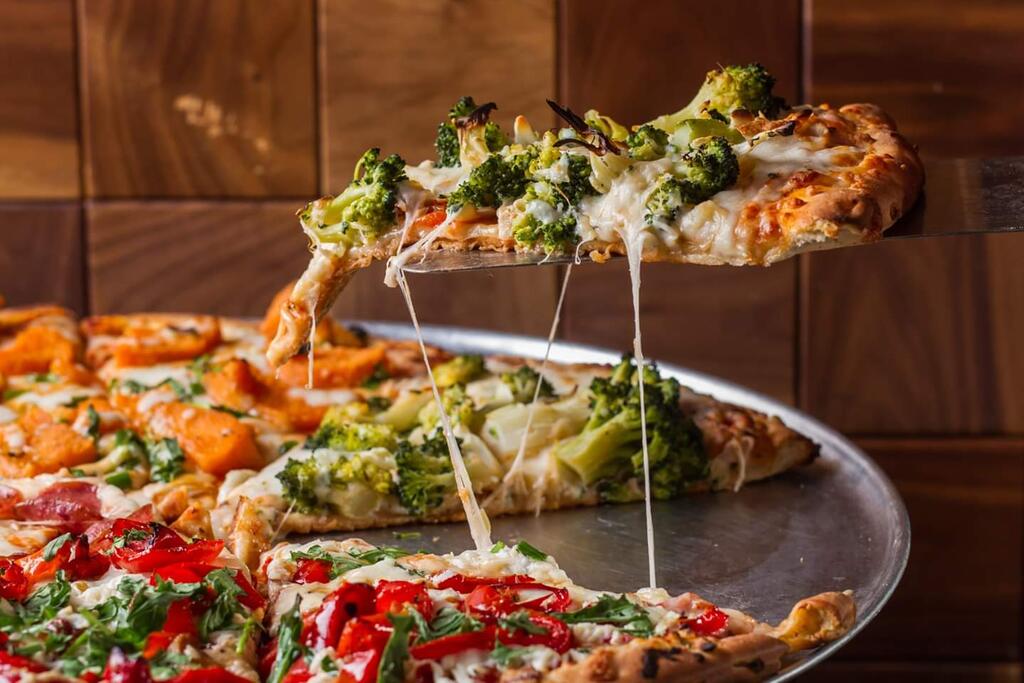
National Pizza Day, held Feb. 9, is one of the clearest examples. The date is widely believed to trace back to an initiative by the founder of Pizza Today magazine, who declared October 1984 “pizza month.” Over time, the idea narrowed into a single day in February, spawning additional niche observances such as Pepperoni Pizza Day in September and even a day dedicated to pizzas without anchovies.
Marketing industry publications describe National Pizza Day as one of the strongest sales days of the year for pizza chains, rivaling demand during major football games. Surveys cited in the industry indicate that about 72% of consumers say they are likely to order pizza on the day or during major sporting events.
Chains often roll out special offers days in advance, using social media campaigns, influencers and digital advertising to generate buzz. While there are few comprehensive studies measuring sales increases tied to each individual food day, analysts say their importance as marketing tools is clear.
“The industry doesn’t usually measure each of these days separately,” Dolev said. “It looks at annual trends, quarterly sales and major events like the Super Bowl. But there’s no question these dates function as reminders that push consumers toward a product.”
Most of the days originate with food manufacturers, restaurant chains or marketing agencies. Some, however, are created by formal organizations. National Peanut Butter Day, for example, was launched by the American Peanut Council, which operates under the U.S. Department of Agriculture.
(Photo: AP)
“Most food days don’t have deep roots,” said Avi Zitan, a marketing and strategy consultant. “They’re cultural and marketing initiatives. Many were born online, driven by companies or groups that wanted to promote a product.”
Zitan said the formula is straightforward. “Food triggers emotion. The name sounds festive, even if it has no official meaning. Add a discount or a special offer, and the impact is immediate.”
Beyond direct sales, he said, the days serve another purpose. “Even if consumers don’t buy that day, the date reminds them of the brand. That reminder alone has value.”
In Israel, the phenomenon is far less pronounced, with one notable exception: the branding of dairy products around the holiday of Shavuot.
“Shavuot isn’t a dairy holiday by definition,” Dolev said. “Marketers took the idea of milk and cheese and turned it into a full-blown festival of dairy. It was a marketing move that worked extremely well.”
Zitan agreed, noting that major dairy producers succeeded in linking the holiday to their products despite the lack of a clear religious or historical connection.
The trend has had less success in Europe, where food culture tends to be anchored in long-standing local traditions.
“In Europe, culinary traditions are deeply rooted,” Dolev said. “If there’s a food festival, it usually goes back decades or centuries and is tied to place, seasonality and production methods. It’s not something invented in a marketing meeting.”
Still, the barrier to entry remains low. Social media continues to generate oddities such as “Keyboard Crumbs Day,” encouraging people to eat crackers at their desks, or Chocolate-Covered Insects Day.
The lesson, marketers say, is simple.
“Anyone can invent a food day,” Zitan said. “The challenge is convincing the rest of the world to celebrate it with you.”