

An experimental celiac disease drug developed by Teva significantly reduced gluten-induced damage to the small intestine after a single injection, according to positive topline results from an ongoing Phase 2a trial released Wednesday.
The investigational antibody, TEV ‘408, met the study’s primary endpoint by showing statistically significant and clinically meaningful protection against intestinal damage compared with placebo. Teva said the treatment was well tolerated and that no safety signals had been observed to date.
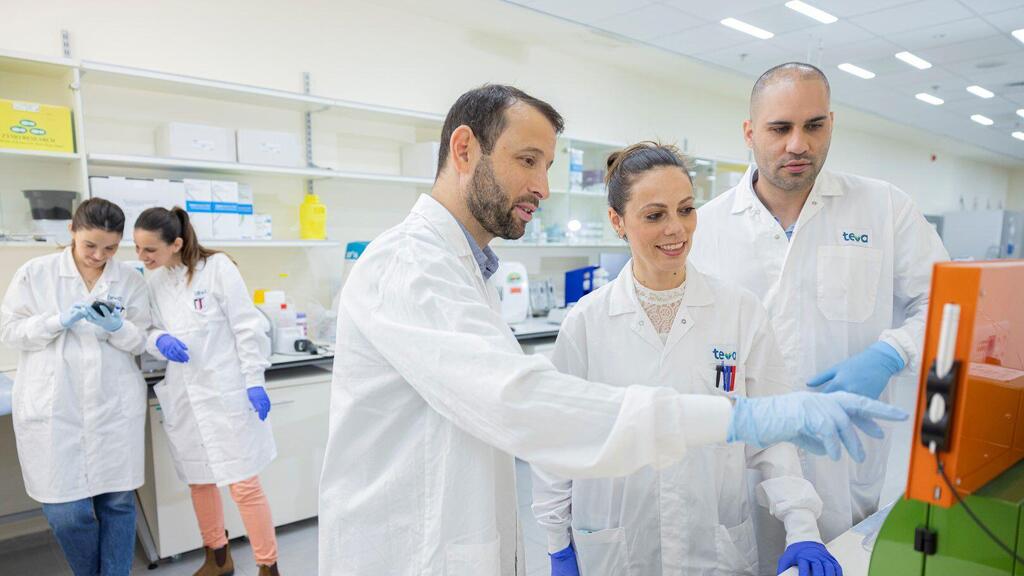
Teva laboratories for biologic drug development
(Photo: Teva)
Celiac disease is an autoimmune disorder in which gluten triggers an immune response that damages the small intestine. It affects about 1% of the global population, and there are currently no approved drug treatments. A strict gluten-free diet remains the standard of care.
The randomized, placebo-controlled trial enrolled 50 adults with celiac disease who were following a gluten-free diet and had minimal intestinal damage at the outset.
Participants received a single subcutaneous dose of TEV ‘408. Two weeks later, they began six weeks of daily gluten exposure to test whether the drug could protect the intestinal lining.
At week eight, the average decline in the trial’s main measure of intestinal damage was 0.43 among patients treated with TEV ‘408, compared with 0.88 in the placebo group.
The drug also showed a favorable effect on intestinal inflammation. The density of intraepithelial lymphocytes, immune cells associated with active celiac disease, rose by 27.60 in the placebo group but by only 0.37 among those who received TEV ‘408.
Patients treated with the antibody also reported lower gastrointestinal symptom scores.
“A strict gluten-free diet has long been the only option for people living with celiac disease,” said Dr. Eric Hughes, Teva’s executive vice president of global research and development and chief medical officer.
“These results underscore the potential to move beyond managing gluten exposure and address celiac disease at its biological source,” he said.
TEV ‘408 is designed to inhibit interleukin-15, or IL-15, a protein involved in immune pathways linked to celiac disease. The drug was discovered by Teva and underwent preclinical development in Israel.
The antibody is also being studied as a potential treatment for vitiligo, another autoimmune disease involving IL-15. Teva says the two programs support its strategy of developing TEV ‘408 as a possible “pipeline-in-a-product” across multiple diseases.
The U.S. Food and Drug Administration granted TEV ‘408 Fast Track designation for celiac disease in May 2025.
Additional analyses from the Phase 2a study are still underway, and Teva plans to present further data at a future scientific meeting.