

One of the most common complications of the flu is pneumonia, which develops when a bacterial infection takes hold in the respiratory tract and lungs following the viral infection. So how can we recognize warning signs in time, and what should we do if they appear?
Dr. Shai Moshe Amor, an internal medicine and pulmonary disease specialist at Ichilov hospital, explained how to handle this in an interview with Ynet.
Gallery
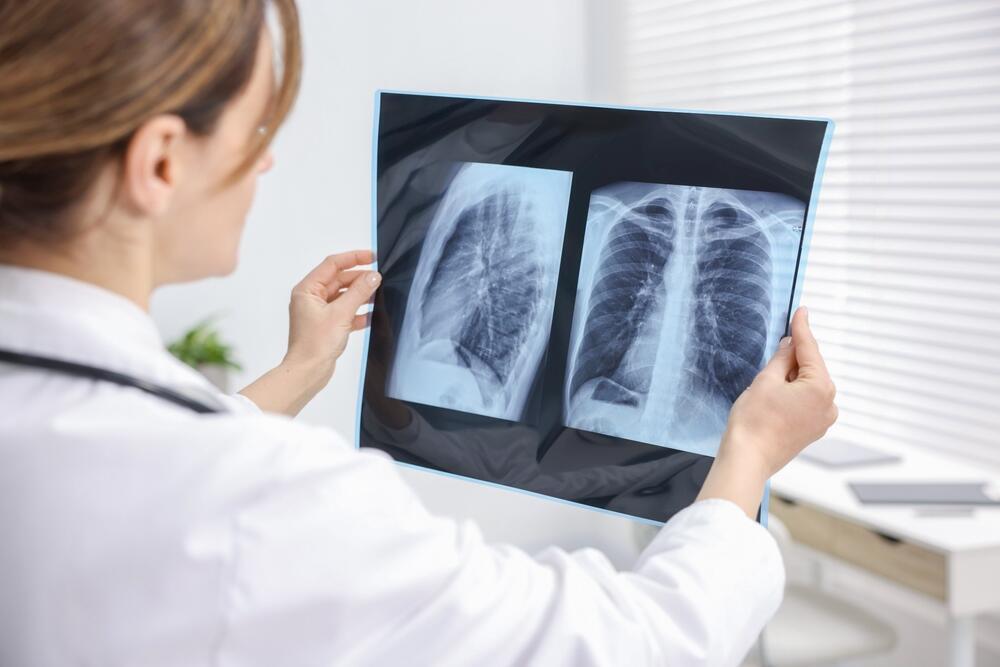
When conditions create a fertile ground for infection, there’s an increased risk of it spreading to the respiratory tract and lungs
(Photo: shuttersrtock)
How does pneumonia develop after the flu?
“First, it’s important to remember that the flu is a serious illness,” Amor said. “In the U.S., for example, 28,000 people died during the 2023–24 flu season. In Israel, up to 1,500 people die annually, mostly older adults or those with underlying conditions, but not exclusively. The secondary infections that arise post-flu thrive on the weakened areas left behind by the virus. Once the respiratory tract is compromised, the lungs become vulnerable to bacterial infection."
Why does it happen specifically after the flu?
“The bacterial infection essentially takes advantage of the damage caused by the flu. The patient has already been infected with a virus, and now bacteria can invade. This happens more frequently with the flu than with other viruses, because it breaks down tissue and weakens the immune defense along the pathway to the lungs.”
Are there early warning signs?
“One of the most common red flags is a fever that returns after initially subsiding. The fever seems to go down as the flu ends, and then suddenly spikes again a day later. That’s a strong warning sign that requires a doctor’s evaluation. Another sign is worsening cough, especially if the mucus becomes thicker, changes color or increases in volume."
Does it involve feeling extra tired?
“In some cases, fever-reducing medications stop working effectively, and people feel miserable and drained. That could indicate a bacterial infection, although flu alone can also cause severe fatigue. But when medication isn’t helping bring down the fever, it’s more concerning."
When is there a real cause for concern?
“When multiple red flags appear, if you are feeling unwell, unusually fatigued, having a high fever, shortness of breath, worsening cough and mucus, and sometimes low blood pressure, it’s time to seek medical help.
Among older adults, a drop in oxygen saturation, along with risk factors such as heart or lung disease, advanced age, or conditions that suppress the immune system, are all red flags that require immediate medical attention. In older adults with cognitive decline, it may be combined with confusion. All these signs point to a serious illness.
Should people monitor oxygen and blood pressure at home?
“If possible, it’s helpful to monitor oxygen levels using a basic pulse oximeter that clips onto the finger. Normal saturation is above 95%, but anything down to 92% may still be acceptable. Below that, a doctor should be consulted immediately."
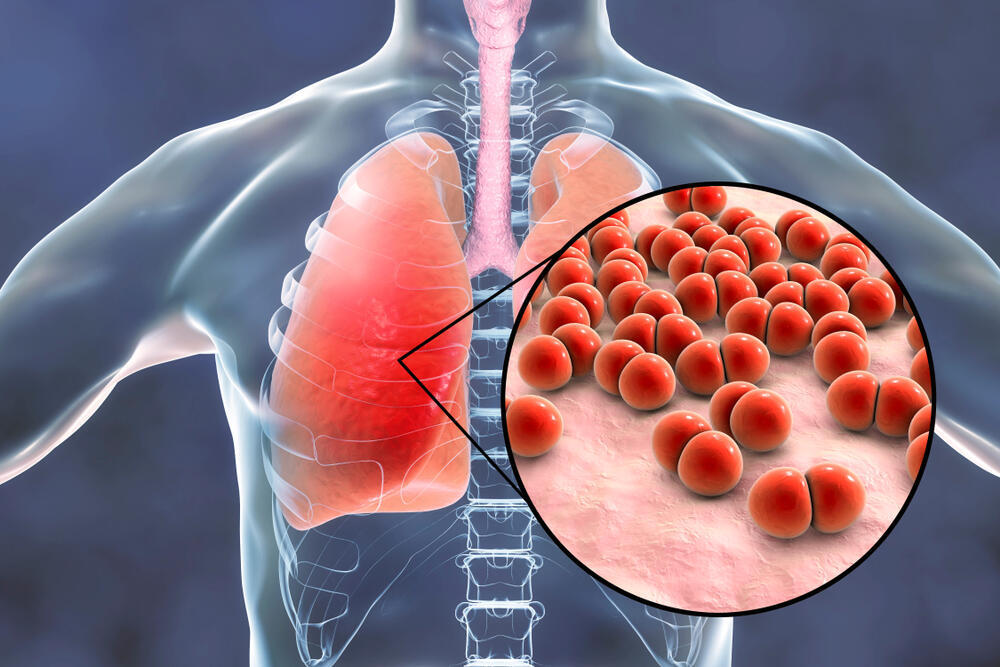
The bacterial infection takes hold on top of the existing viral one
(Photo: shuttersrtock)
How is pneumonia treated?
“As pulmonologists, when we suspect pneumonia, we start with a physical exam and assess vital signs. A chest X-ray is usually ordered to confirm the diagnosis. Depending on what we find, we may prescribe antibiotics. We also have other diagnostic tools like ultrasound, but most diagnoses rely on imaging."
Do pneumonia-causing bacteria change year to year like flu viruses?
“We don’t usually test for the exact bacteria. We provide empirical treatment based on international and local guidelines. When pneumonia is flu-related, we often choose a slightly different antibiotic regimen than we would for community-acquired pneumonia, because a different set of bacteria might be involved."
 Dr. Shai Moshe AmorPhoto: Lior Tzur, Sourasky Medical Center
Is flu activity high this year?
“Yes, the percentage of positive flu tests is higher than last year, and hospitals are beginning to feel the pressure. The flu is definitely here."
How long does pneumonia last?
“When pneumonia follows the flu, recovery takes longer than from flu alone. It takes time for antibiotics to take effect, and symptoms like cough can linger. The infection often appears several days into the flu, extending the overall illness."
How do you know the infection is gone?
“Primarily, you begin to feel better, you start eating and drinking, and the fever goes down. A follow-up chest X-ray six weeks after the first one is recommended to confirm that the lungs have cleared."
Can vitamins help speed recovery?
“I don’t recommend anything in particular. I’m a fan of grandma’s chicken soup."

The pneumonia vaccine is given to older adults in addition to the seasonal flu shot
(Photo: Inside Creative House/shutterstock)
Common winter mistakes?
“The biggest mistake people make is skipping the flu shot. It’s true that the vaccine doesn’t completely prevent illness; its effectiveness is around 50%, but it reduces the risk of severe or life-threatening complications by about 80%."
How did the flu go in your own family?
“Everyone, parents and kids, got vaccinated. The flu made its way through the family, but it passed relatively easily."
What about the pneumonia vaccine?
“This vaccine is included in Israel’s national health basket for those 65 and older, though some doctors recommend it starting at age 60. It’s given once, in addition to the seasonal flu shot. It’s especially recommended for smokers, people with chronic illnesses like Chronic Obstructive Pulmonary Disease (COPD), and those with weakened immune systems. It’s a well-established and effective vaccine."
How can we protect our lungs?
“First and foremost, get vaccinated. I also recommend that older adults and people with weakened immunity wear masks in enclosed spaces during this season."
Dr. Shai Moshe Amor is an internal medicine and pulmonary diseases specialist, head of the Rapid Pulmonary Diagnosis Clinic at the Pulmonary Disease Institute at Sourasky (Ichilov) Medical Center in Tel Aviv.