

A hospital in central Israel began requiring medical staff to wear masks Thursday, as the country contends with a surge in flu infections described by health officials as unusually severe.
The children’s ward at Wolfson Medical Center in Holon instructed staff to resume masking in response to the rapid spread of flu among pediatric patients.
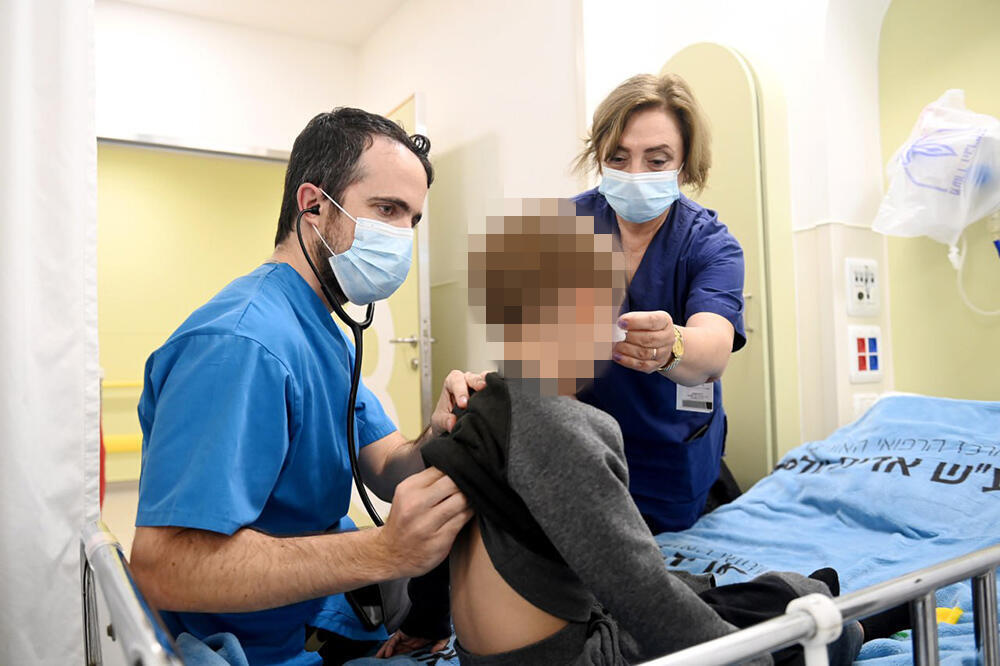
Dr. Ilan Dalal, head of the pediatric department and chair of the Israeli Pediatric Association, said the decision aimed to curb transmission at a time when vaccines alone are insufficient to control the outbreak.
“Vaccines are important, and people should get vaccinated,” Dalal said. “But at this point, when infections among children are so widespread, we also need immediate preventive steps like masking.”
The move follows similar steps in England, Spain and parts of North America, as countries report a sharp rise in what some are calling a “super flu.” The Health Ministry has classified current flu activity as “intense,” with three previously healthy children dying from complications. Most of the severely ill are unvaccinated.
The Assuta chain of medical centers also announced Thursday that all staff will be required to wear masks when interacting with high-risk patients, including those in intensive care, oncology, hematology and dialysis units, as well as during contact with pregnant women.
 Dr. Ilan DalalPhoto: Wolfson Medical Center
In Britain, the National Health Service is under mounting pressure as flu admissions hit record levels for this time of year. NHS England said more than 2,600 people were hospitalized daily last week with flu — a 55% jump from the previous week and the highest figure ever recorded for early December. Some 106 patients required intensive care, up from 69 the week before.
“This unprecedented wave of super flu is leaving the NHS facing a worst-case scenario for this time of year – with staff being pushed to the limit to keep providing the best possible care for patients,” said Professor Meghana Pandit, NHS England’s medical director.
Pandit warned that the “super flu” was hitting during peak demand for emergency services and amid a looming doctors’ strike. She urged those eligible for a flu vaccine to get it immediately, noting that time was running out to build immunity before the Christmas holiday.
In Israel, the Health Ministry’s latest flu report, covering the week ending Dec. 6, showed continued increases in respiratory illness, driven by the H3N2 strain of influenza K — the dominant strain circulating globally this season. Hospitals and health maintenance organizations reported hundreds of new flu cases nationwide, with children accounting for 34% of hospitalizations. Eighteen pregnant and postpartum women have also been infected.
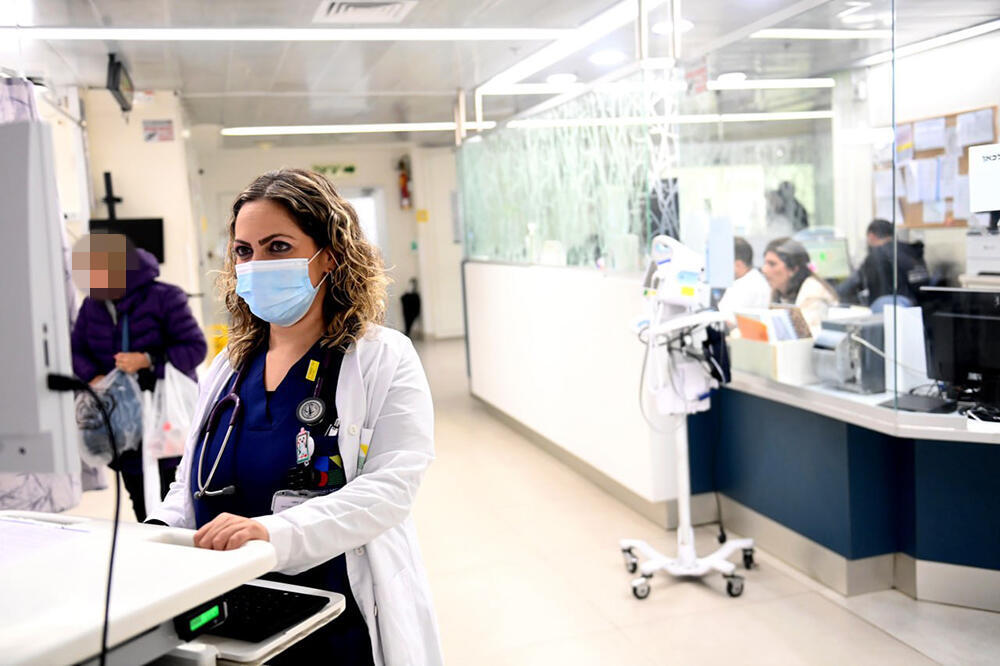
(Photo: Kobi Kuenkas)
Health authorities said flu-related pneumonia visits were above the multi-year seasonal average, and that overall flu activity in Israel had reached a high threshold.
‘A mutated strain causing severe illness’
The latest data comes amid warnings from health experts that this year’s flu season could be especially harsh due to the spread of a newly mutated strain of the virus. The H3N2 (type K) is a subtype of seasonal influenza A. Because it has circulated only minimally in recent years, population immunity is relatively low.
Scientists closely monitor the evolution of influenza viruses, which constantly mutate, requiring annual updates to flu vaccines. This evolution occurs through what is known as “shift and drift”: most of the time, the virus undergoes minor “drift” mutations, but occasionally, a sudden “shift” occurs—when the virus changes more significantly. That’s what scientists believe has happened with the H3N2 variant.
In recent days, the highly contagious flu strain has spread rapidly across Europe and the United States, placing significant strain on healthcare systems. In England, Spain and France, flu activity has reached epidemic levels. Numerous schools have been forced to close due to widespread illness among students and teachers.
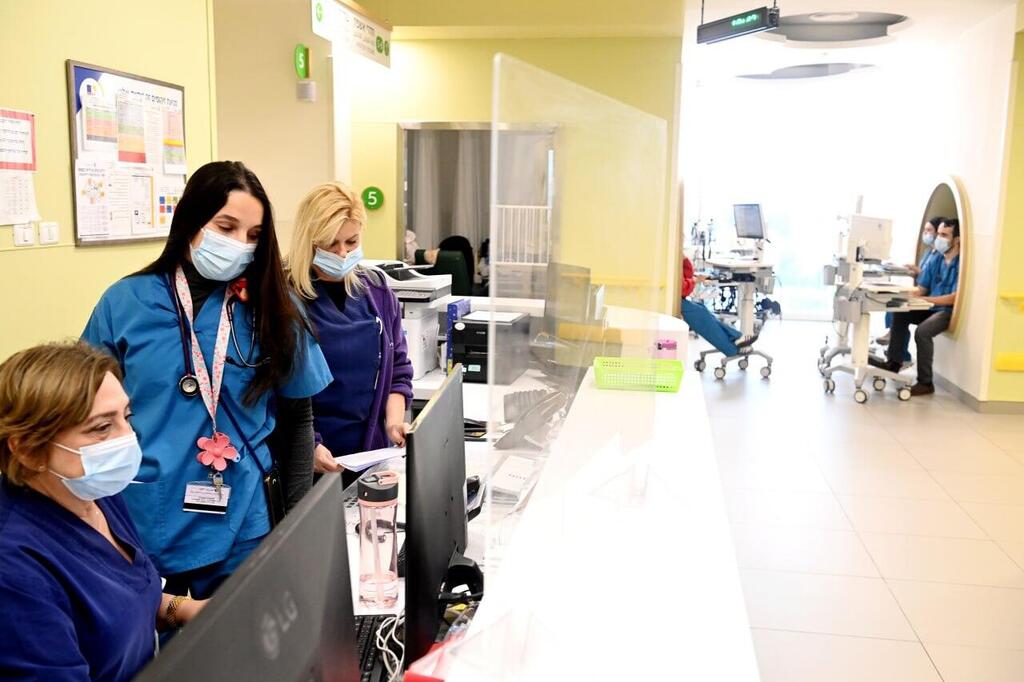
(Photo: Kobi Kuenkas)
To help curb the spread, some hospitals in affected countries have reintroduced mandatory masking for medical and nursing staff. The latest to do so is the Catalonia region of Spain, where health authorities mandated mask use for all staff in hospitals, clinics and nursing homes after flu cases jumped by 2.5 times in just one week.
In Israel, officials are still deliberating over similar guidance, partly due to widespread public resistance to health mandates stemming from the COVID-19 pandemic. However, some institutions have already acted independently.
“In pediatrics, infection control is at the core of what we do,” said Dalal. “Especially now, during such a significant outbreak, the mask is a simple, low-effort measure that offers a high return. It’s a logical step meant to protect our staff, our patients and their families. I see no reason to oppose it.”
Dalal emphasized the critical importance of masking in hospitals. “Most transmission happens in the first 24 to 48 hours of the illness—sometimes even before symptoms appear. Masks can dramatically reduce spread within hospitals.”
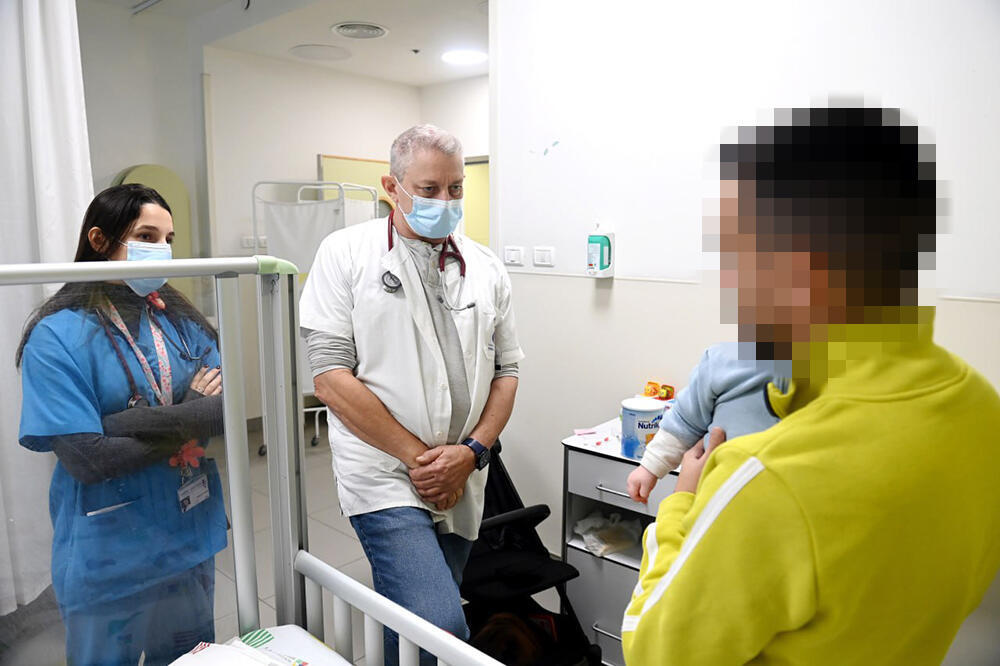
(Photo: Kobi Kuenkas)
He said that pediatric staff at his hospital had already been briefed and some doctors and nurses had begun wearing masks. “I think we should expand this to the entire team,” he said. “I hope this guideline is extended hospital-wide. The goal is to protect everyone.”
Dalal called the deaths of three previously healthy children from the flu “an extremely rare event.” “I don’t recall children without underlying conditions dying from the flu in recent years—one of them had even been vaccinated. This is far more than we usually see. Last year, no healthy children died. Right now, children are the hardest hit. In another week or two, when the virus reaches internal medicine wards, mass infections are likely.”