


The sudden death of 30-year-old Russian fitness trainer Dmitry Nuyanzin, who died in his sleep from cardiac arrest after spending several weeks consuming around 10,000 calories a day as part of an extreme challenge to rapidly gain weight, is still making waves.
Cardiologist Dr. Hillel Steiner from Wolfson Medical Center and clinical dietitian Shiri Nakash told ynet that such a dramatic metabolic burden can lead to systemic failure and sudden death, warning against social media challenge trends.
Gallery
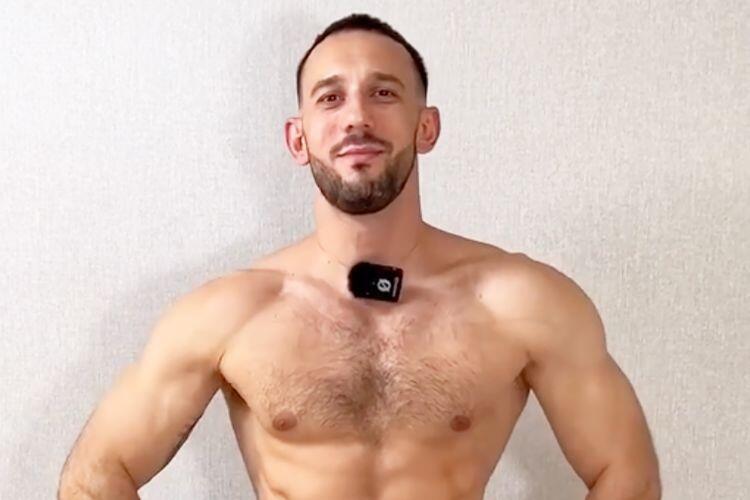
A combination of excessive fat and vitamin deficiency increased the risk of a deadly arrhythmia
(Photo: Instagram)
“This is a very sad story,” Nakash said. “It shows how social media can be dangerous in so many areas. You’d expect a fitness trainer to understand the human body. Undertaking such an extreme challenge demonstrates a troubling lack of awareness. People responsible for others’ health and lifestyles need to act responsibly. Entrusting your health to someone lacking basic knowledge is a major warning sign."
Dr. Steiner added, “It’s shocking how poor his diet was nutritionally. Any reasonable person would understand that what he was doing was deeply wrong. While we can only speculate on the exact cause of death, animal studies have shown that consuming such foods can lead to fat buildup in heart cells. This disrupts electrolyte flow and may interfere with the heart’s electrical signals, potentially resulting in fatal arrhythmias."
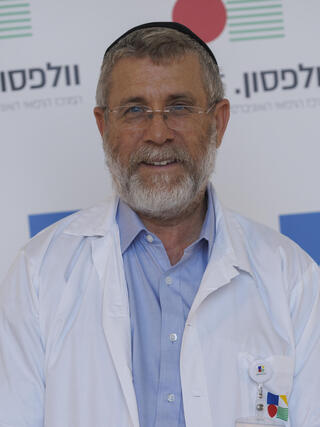 Cardiologist Dr. Hillel Steiner, Wolfson Medical Center Photo: Wolfson Medical Center's spokesperson
He further noted that metabolic changes in the heart can be compounded by a lack of critical vitamins. “From what we understand, his diet had no nutritional value, no fruits, no vegetables. It’s possible that the combination of excessive fat and vitamin deficiency increased the risk of a deadly arrhythmia."
According to Nakash, the incident reflects severe ignorance about basic nutrition. “He ate junk, mainly carbs, fats and fried foods. There were no vitamins, no minerals, and no nutritional value in his diet. We're talking about 10,000 calories a day, which is an enormous amount of food in a short time. That creates a massive shock to sugar levels, fat profiles, mineral and electrolyte balance."
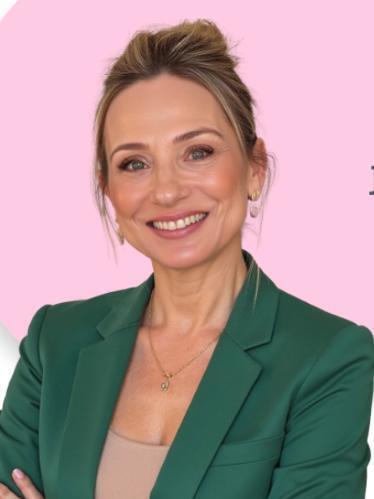 Clinical dietitian Shiri NakashPhoto: Private
She explained that the body enters functional shock under such a 'caloric tsunami'. “His body couldn’t handle the carbs and fats. Blood sugar levels spiraled out of control. The insulin resistance and sugar metabolism went wild. The electrolyte balance was off, and his liver was overburdened. His body didn’t know how to cope and simply collapsed.
The weight gain was so extreme, his heart couldn’t take the strain. Had he gained weight more gradually, it might still have been unhealthy, but perhaps not fatal. The shock his body experienced from the massive intake and sudden overload was enormous and led to sudden death."
Beyond the extraordinary circumstances of Nuyanzin’s case, Dr. Steiner emphasized the importance of recognizing early warning signs. “People often ignore unusual symptoms or delay seeing a doctor, and in some cases, that can be a fatal mistake."

His body collapsed. Dmitry Nuyanzin taking the challenge
(Photo: Instagram)
He noted that Nuyanzin had posted about feeling weak and exhausted and even said he intended to see a doctor, but died in his sleep the following night. “In many cases of sudden death, warning signs appear beforehand, such as chest pain, fatigue and other signs that go unrecognized or ignored. Nuyanzin told his friends he wasn’t feeling well, planned to get checked out, but didn’t. This death could have been prevented. That’s the broader message."
Sudden death, Dr. Steiner added, is most commonly caused by heart attacks. “Someone monitored by medics, or in a hospital, can receive a defibrillator shock and survive. So if someone feels chest discomfort, pressure, or any kind of chest pain, they should tell a partner, colleague, or anyone nearby. That conversation might lead to calling emergency services and saving a life. That’s also why married people have lower rates of death from heart disease."
While Nuyanzin’s case was tied to a particularly extreme online trend, Dr. Steiner stressed that sudden cardiac death can also strike seemingly healthy young people.
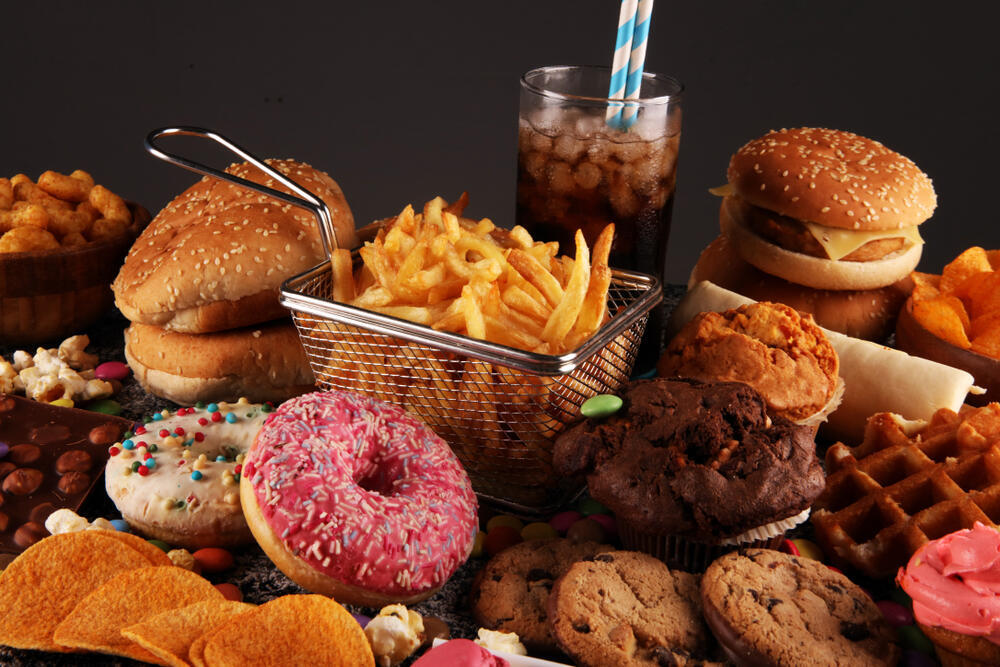
Eating junk food, the body pays the price
(Photo: Shutterstock)
Sometimes, hidden conditions, genetic or electrical disorders, go undiagnosed. “We will never know what else might have been going on with this individual, but broadly speaking, there are often predispositions to fatal arrhythmias stemming from underlying medical conditions in his case. Also, there are definitely inherited conditions that can cause fatal arrhythmias,” he said. “People with first-degree relatives who died suddenly are at increased risk."
“This kind of death was a predictable outcome,” Nakash concluded. “Any extreme change we force on our bodies, whether rapid weight gain or loss, is a grave mistake. People should take this case as a warning: Don’t follow trends blindly. This case may be extreme, but it still teaches us a fundamental lesson: don’t play games with your body."