

The studio class, fitness and Pilates trend is at its peak, but alongside growing awareness of healthy lifestyles, there has also been an increase in a less photogenic phenomenon: gym acne.
Many women arrive at the gym or studio wearing full makeup, including foundation, concealer and self-tanner, with the aim of taking and sharing photos and videos of their workouts on social media. The combination of heat, increased sweating, layers of makeup that clog pores and friction from tight workout clothes creates conditions in which pimples can develop rapidly. The phenomenon is particularly noticeable on the back, chest, shoulders and jawline and sometimes on the forehead.

At the clinic, we see the effects primarily in two main age groups. The first is young adults in their early 20s, whose hormones are still highly active and whose sebaceous glands produce oil at a high rate. The second group, which has been growing in recent years, is women in their 30s and even 40s. At these ages, cyclical hormonal changes, combined with stress, increased sweating during exercise and the use of heavy makeup, can trigger sudden breakouts, particularly along the jawline and chin.
In terms of its effects, oily or acne-prone skin is likely to react more severely because the sebaceous glands are already highly active. When sweat, sebum and dead skin cells accumulate, the likelihood of clogged pores increases. People with normal or dry skin are not immune, either. In their case, pimples are primarily caused by physical friction from backpack straps, tight sports bras or close-fitting workout clothes, a phenomenon known as acne mechanica, rather than by excess natural oil.
Why does it happen?
The appearance of pimples following summer workouts is caused by several natural processes that occur in the skin during physical exertion.
Physical blockage of the pores: During exercise, body temperature rises and the pores open to release sweat. When sweat comes into contact with layers of foundation, tanning products or dirt, pigments can become trapped inside the open pores and create blockages.
Accumulation of dirt in a warm, humid environment: The combination of sweat and body heat creates favorable conditions for bacteria to multiply. When the skin is not properly ventilated, a blocked pore can develop into a red or pus-filled pimple.
Mechanical friction from tight clothing: Tight workout clothes, particularly synthetic fabrics, create constant friction against the skin. This friction pushes sweat and bacteria back into the hair follicles, leading to pimples on the back, chest and buttocks.
How can it be prevented?
Keep facial skin clean: The most common mistake is leaving heavy makeup on the face during exercise. The best approach is to allow the skin to breathe freely during physical activity. Those who still want an even complexion while working out can use lightweight, water-based, noncomedogenic products that do not clog pores, but the professional recommendation is to wash the face thoroughly before beginning a workout. After washing the face, it is important to apply sunscreen. If exercising outdoors, a hat should also be worn.
Do not remain in sweat-soaked clothing: Staying in tight workout clothes after exercising leaves sweat and dirt in direct contact with the skin for extended periods and encourages body acne. It is advisable to wear breathable fabrics containing cotton fibers rather than clothing made solely from synthetic fibers, as they allow sweat to evaporate more effectively.

Change out of workout clothes as soon as possible
(Photo: Shutterstock/Just Life)
Do not overdry the skin: Using harsh, drying soaps or alcohol after a workout can trigger a rebound response. The skin produces more oil to compensate for the dryness, which can make the condition worse.
Use clean towels: Aggressively wiping the face with a towel that is not completely clean, or placing the face directly on shared exercise mats, can transfer dirt and bacteria directly into open pores.
How can already damaged skin be restored?
Proper treatment should not rely on aggressively drying the skin, but rather on balancing and soothing the tissue.
Gentle cleansing after exercise: It is advisable to wash the face with lukewarm water and use a gentle facial and body cleanser that does not strip the skin of its natural moisture.
Incorporating gentle acids into the skin care routine: Products containing an appropriate concentration of salicylic acid can help break down oil trapped inside pores, cleanse them deeply and reduce redness.
The appropriate use of acids differs between at-home and professional treatments. For home use, products containing 0.5% to 1% salicylic acid are recommended, allowing oil in the pores to be broken down without causing irritation. For body treatments, products with concentrations of up to 2% can be used, and professional facial products containing 2% are also available. Professional treatments by an aesthetician can use higher concentrations approved for clinical use.
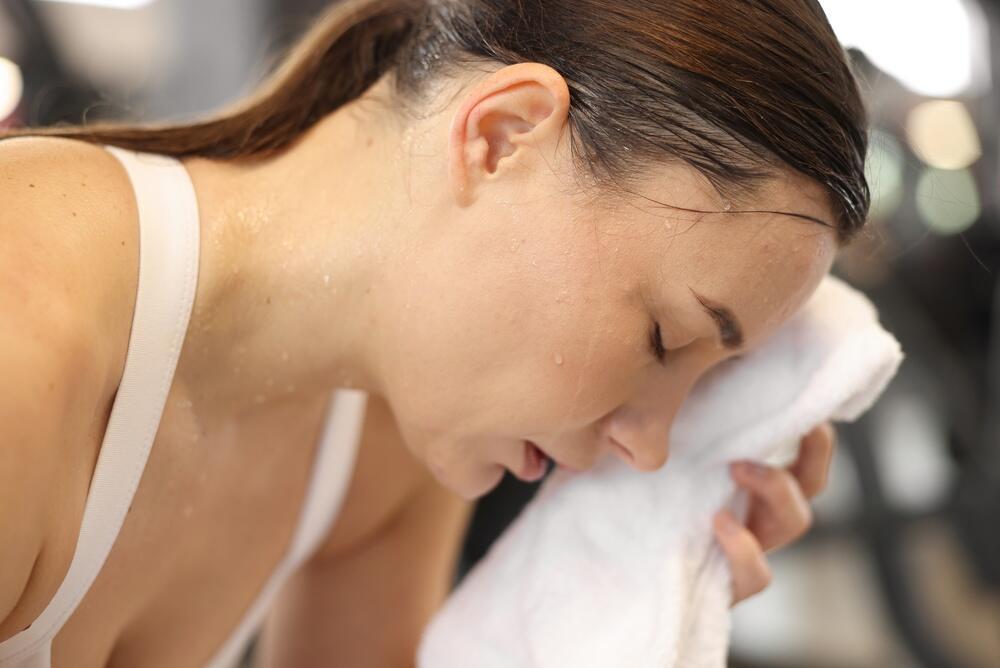
How clean is your towel, really?
(Photo: Shutterstock/People)
Lightweight hydration and restoration of the skin barrier: Lightweight gel products containing soothing ingredients such as niacinamide, hyaluronic acid, zinc or allantoin are recommended. These ingredients help calm redness, regulate oil production and strengthen the skin's natural barrier.
Targeted acne treatment: The skin on the back and chest differs from facial skin and requires a tailored approach. Body skin differs from facial skin both in structure and in its rate of renewal. Facial skin is thinner and more delicate, while the skin on the back and chest is thicker, allowing products with higher concentrations of active ingredients to be used. Specialized body cleansers containing gentle antibacterial ingredients or acids are recommended. Hair conditioner should also be rinsed off thoroughly in the shower, as residue tends to remain on the back and can clog pores.
Advanced treatments at the clinic: When pimples persist, a combination of light-based technologies and specialized beauty-tech treatments can provide deep cleansing of the pores, disinfect the tissue and regulate oil production without requiring recovery time. This should be accompanied by acne-specific products selected under the guidance of a professional.
When should you see a dermatologist?
In most cases of acne, particularly mild to moderate acne, adult acne or acne caused by sweating, exercise, friction, makeup or clogged pores, an aesthetician can be the first point of contact. Professional assessment, tailored products, advanced treatments and beauty-tech technologies can be used to treat, balance and significantly improve most types of acne, reduce breakouts and help prevent future marks and scarring.
A dermatologist is primarily needed when there is an active skin condition requiring medical diagnosis or drug treatment, such as particularly severe cystic acne, acne accompanied by widespread infections, suspected Demodex mite infestation, suspected significant hormonal imbalance or when prescription medication such as antibiotics, hormonal therapy or isotretinoin (Accutane) may be required.
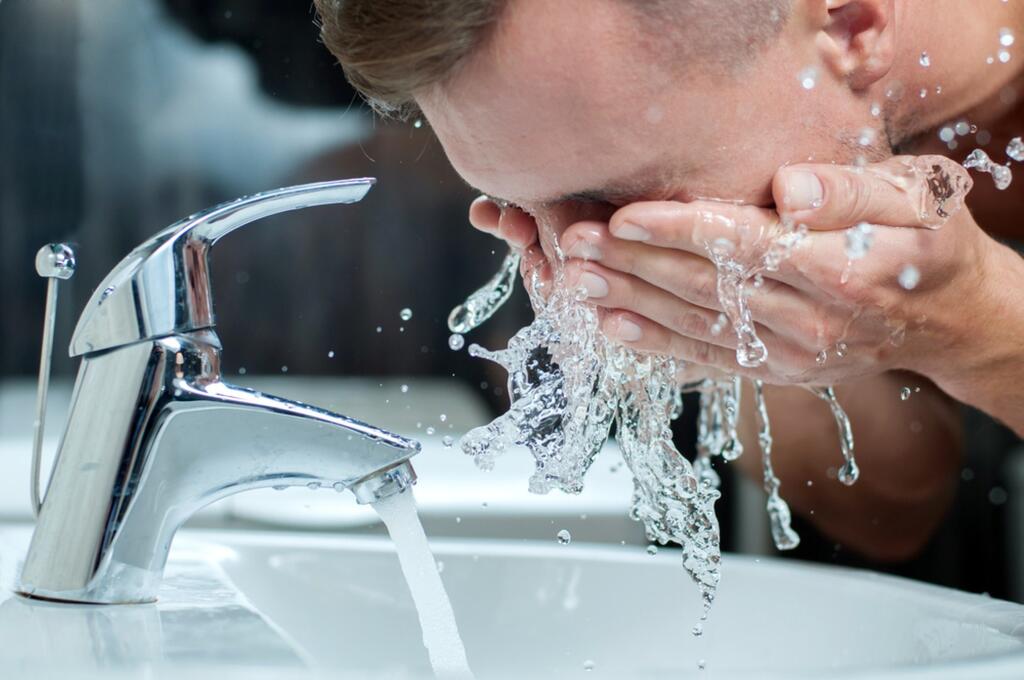
Wash your face as soon as possible
(Photo: shutterstock)
In practice, even when medical treatment is necessary, medication alone does not always fully address the skin's appearance. Combining medical diagnosis when necessary with professional care from an aesthetician, including in-clinic treatments, balancing the skin, reducing inflammation, restoring the skin barrier and tailoring an individual skin care routine, can in most cases produce the best and most stable aesthetic results.
Recommended skin care routine for women who work out
Before the workout: Completely remove facial makeup or use a very lightweight, water-based, noncomedogenic moisturizer and apply sunscreen with SPF 50 or higher.
During the workout: Gently blot sweat using only a clean personal towel.
After the workout: Shower with lukewarm water as soon as possible, change out of sweat-soaked clothing and use a gentle cleanser suited to your skin type.
Post-cleansing recovery: Apply a lightweight gel product containing soothing and balancing ingredients such as niacinamide, hyaluronic acid or zinc.
The author owns a beauty-tech chain and is a former chairwoman of Israel Association of Cosmetics and Beauty.