

At age 29, reservist and industrial design graduate Oz Lotati saw firsthand the deadly gaps in battlefield medical care during the Swords of Iron war and decided to fix one of the most critical problems himself.
“I was on reserve duty from October 7 and couldn’t stay indifferent to what we went through in the field,” says Lotati, an active combat soldier and graduate of the industrial design department at Holon Institute of Technology (HIT). “As a design student and a combat soldier, I understood that a well‑designed product can save lives.”
Gallery
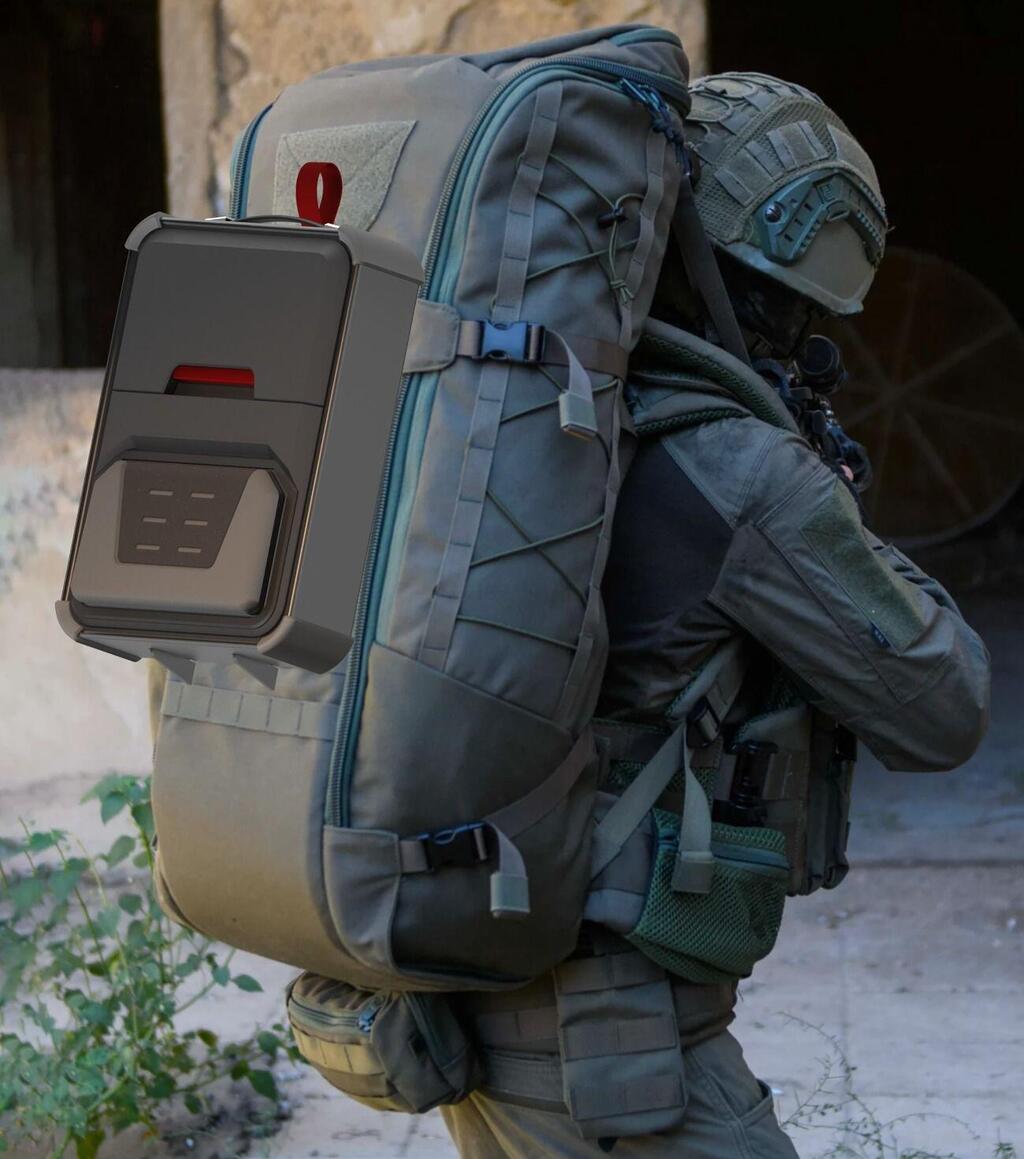
Soldier wears portable refrigerator to keep fresh blood safe Lotatti developed
(Photo: Private collection)
The realities of combat exposed a major shortfall in lifesaving care: there is currently no reliable way to keep blood supplies properly cooled in the field. Standard containers and ice chests offer only limited preservation time, leaving medics, combat lifesavers and front‑line doctors unable to ensure blood quality under extreme conditions.
“When I found out there was no solution for carrying fully cooled blood in the combat zone,” Lotati explains, “I knew this was the project I had to develop.”
From campus to combat solution
For his final design project, Lotati created a portable, rugged blood cooler specifically for soldiers and field medical teams. The system uses an active cooling mechanism with a compact compressor and advanced insulation, maintaining a stable temperature longer than makeshift options.
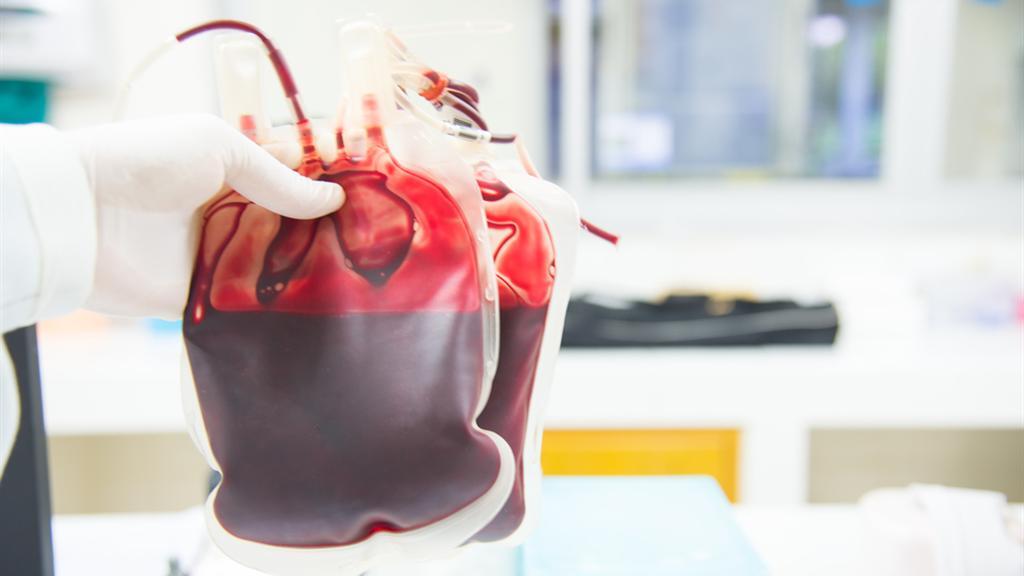
Making lifesaving treatment available in the field
(Photo: Shutterstock)
The cooler runs on standard military radio batteries already used by soldiers, and can also connect to vehicle power outlets, generators, electric sockets or even solar panels. It integrates directly into the gear of a medic or soldier, and is engineered to withstand movement, heavy loads and combat conditions including situations where evacuation is delayed or impossible.
“The goal is that blood reaches the wounded quickly and at top quality,” Lotati says. “I want to make lifesaving treatment accessible even in the most remote and dangerous parts of the battlefield, under fire—not just back at the hospital. For that, you need a system that’s autonomous, mobile, durable, lightweight and compatible with operational gear. That’s exactly what I aimed for.”

Oz Lotati
(Photo: Private album)
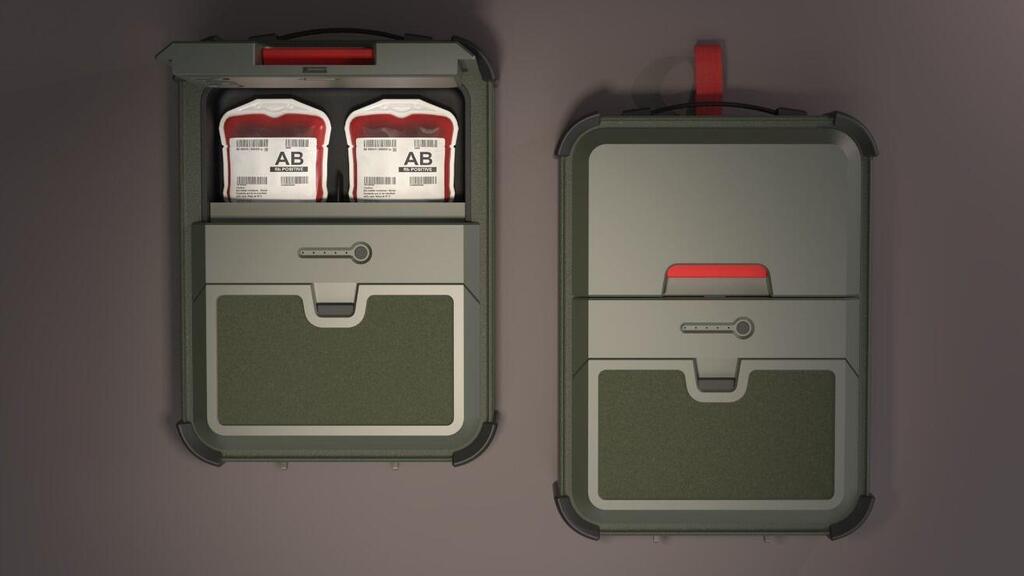
The battlefield blood refrigerator: 'much more than a final project'
(Photo: Private album)
Lotati’s project was shaped by extensive interviews with combat soldiers, medics, battlefield physicians and medical platoon leaders. His research phase included environmental analysis, use‑case scenario planning and user interface design. The current unit is a working prototype, laying the groundwork for further development and field testing.
Recently, Lotati showcased the device at a military medicine exhibition. He is now in the process of seeking investors to advance the prototype toward a full operational product—one he hopes will fundamentally improve how battlefield medical units deliver care.
“This is much more than a final project,” Lotati says. “It’s a moral duty. I saw with my own eyes what it means to be in the field without available blood, and if this product saves even one soldier then I’ve fulfilled my mission.”