

Israelis gained an extra hour of sleep overnight as clocks moved back one hour with the switch to standard time, in line with much of Europe. It happens every year, but the body often reacts as if it’s caught by surprise.
At first glance, the change seems purely technical—just turning the clock back an hour. But according to health professionals, the body tells a different story: disrupted mood, fatigue, lower functioning and sleep disturbances. These are not personal shortcomings, they say, but the body’s biological clock attempting to recalibrate.
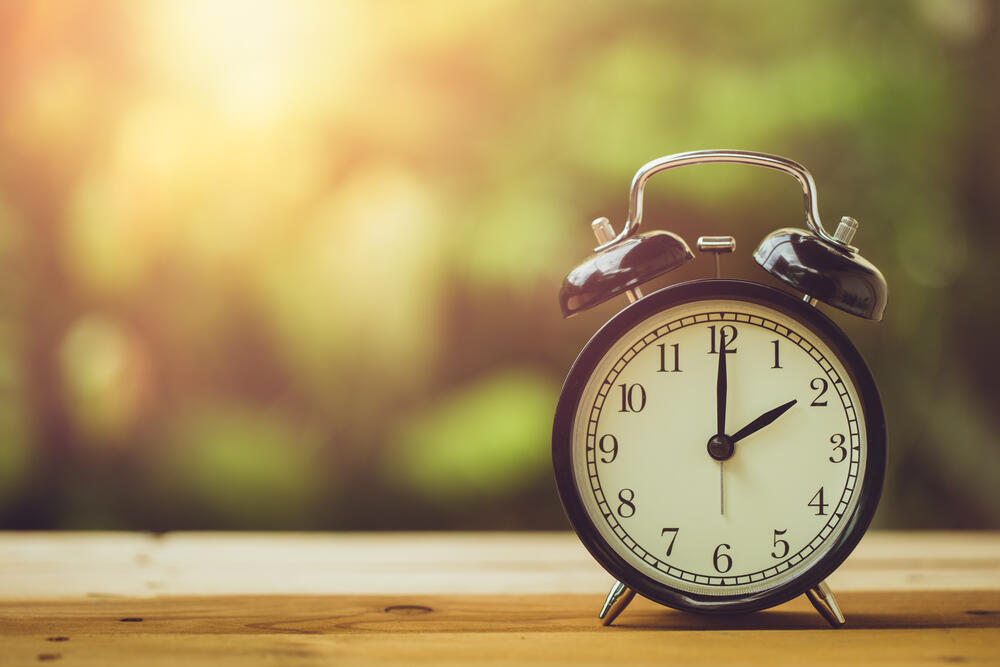
The shift to standard time affects sleep patterns with little effort. Days become shorter, but the impact goes deeper—less exposure to natural light can disrupt the body’s circadian rhythm, influence hormone secretion and trigger temporary drops in mood, energy and motivation. These reactions are common as the body and mind seek to regain balance.
Our internal clock operates on a roughly 24-hour cycle, regulating hormone production, sleep-wake cycles and other essential functions. It responds mainly to natural light and darkness—not to man-made time shifts—so when the clocks change, the body’s internal schedule falls out of sync with the external one.
With standard time, a one-hour mismatch arises between internal and external clocks. Mealtimes, bedtime, wake-up routines and even work hours all suddenly shift. This can lead to symptoms similar to jet lag: drowsiness, reduced alertness or dips in motivation. These are signs the body is adjusting to new environmental cues.
The good news: most people’s systems adapt within about two weeks. In the meantime, experts recommend a few simple steps to support the transition.
A traditional Chinese medicine perspective: Autumn, metal and letting go
According to traditional Chinese medicine, the move to standard time aligns with the seasonal transition into the "metal" phase, also known as autumn. The lungs and large intestine are associated with this element, and this period is seen as a time to turn inward and strengthen the immune system. Energetically, the body shifts from active, outward-facing yang energy (symbolized by summer fire) to inward-focused yin energy.

(Photo: Shutterstock)
Just as trees shed their leaves, people are encouraged to release what is no longer needed and prepare for winter. The earlier darkness reminds the body to slow down, go to bed earlier and conserve energy. Ignoring these signals may lead to fatigue, sadness and weakened immunity.
Both modern science and traditional Chinese medicine emphasize the same principle: listen to the body during this adjustment. Offer it light in the morning, nourishing meals in the afternoon and calm in the evening. This softens the seasonal transition, strengthens the immune system and brings a sense of inner stability.
Five ways to support the body during the time shift
Morning light exposure: Step outside for at least 10 minutes in the morning, ideally with a cup of coffee in the sun. This helps reset the body’s clock and boosts serotonin production.
Conscious breathing: Practice deep breathing for 3–5 minutes daily to reduce cortisol (the stress hormone) and support lung function.
Warming, balanced diet: Choose warm, cooked foods like oatmeal, soups and stews made with white and orange root vegetables (celery root, parsley root, sweet potato, pumpkin, carrot). These nourish the spleen and stomach. Avoid excess sugar and caffeine, which disrupt energy balance.
Earlier sleep: Respond to your body’s cues by heading to bed earlier and limiting screen time before sleep. This supports the natural rise of melatonin, the sleep hormone.

(Photo: Shutterstock)
Nightly ritual: Try a small release ritual, such as writing in a journal: “What am I letting go of today, and what am I taking into tomorrow?” This offers emotional and energetic clarity.
In summary: Standard time is more than a technical change to the clock—it’s a seasonal cue for restoring physical and emotional balance. Between light and dark, external and internal, the body remains deeply tuned to nature’s cycles. Science reminds us of that sensitivity. Traditional medicine encourages us to slow down, breathe, and build strength.
- The writer is a licensed Chinese medicine practitioner with Maccabi Natural Health.