

Luis Rojas Cabrera, 55, knew immediately that he was in serious trouble after his patient collapsed and lost consciousness during what was described as a routine anti-aging treatment. According to the criminal complaint, Cabrera administered an intravenous infusion of NAD+ through a vein in 27-year-old Elizabeth Baron's right hand. She "immediately" lost consciousness and went into cardiac arrest.
Cabrera himself called 911. According to multiple media reports, he told responding officers: "I made a very big mistake. I need to call my family because I have a feeling I will not be home for a while." Baron was taken to NewYork-Presbyterian Allen Hospital with the IV line still in her arm, where she was pronounced dead.
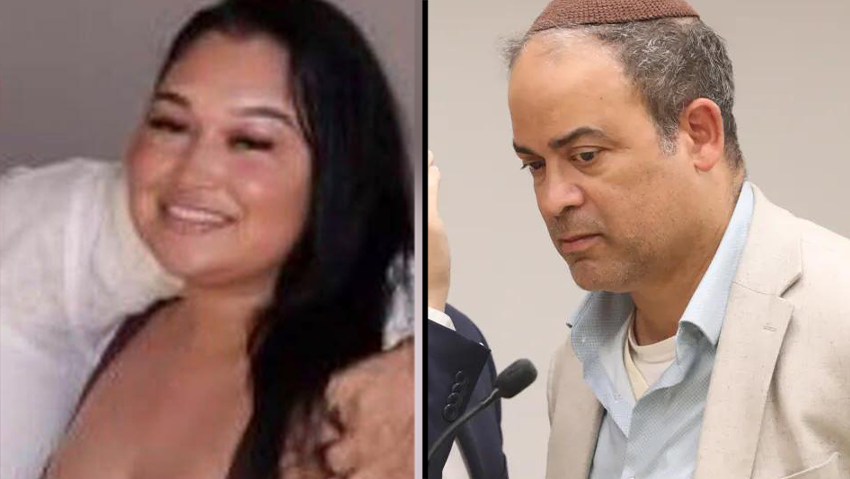
Cabrera, who presented himself as a physician despite not being licensed to practice medicine in New York, appeared in Bronx Criminal Court wearing a knitted kippah and accompanied by his rabbi and his 26-year-old son, who told reporters that his father is "a good man, a good father and a good doctor," adding that he was devastated by the situation.
Cabrera pleaded not guilty to two charges: second-degree manslaughter and unauthorized practice of a profession. The judge ordered his release without bail because prosecutors are still awaiting the autopsy results and cannot file charges directly related to Baron's death until the official cause of death is determined. His next court appearance is scheduled for September 9.
Cabrera's current legal troubles are not his first. On November 6 of last year, he was arrested at Newark Liberty International Airport after returning from the Dominican Republic while carrying a metal baton. Several days later, he was arrested again at the same airport, this time after authorities found nearly 200 vials of prescription medications, more than 30 tablets and 10 syringes containing lidocaine, a local anesthetic, in his luggage. Both cases were transferred to civil court in Newark in December and were dismissed about six months later.
In New York, Cabrera holds only a cosmetology license, described in the indictment as a "skin care specialist specializing in cosmetic procedures." Nevertheless, he operated a Bronx clinic called Bereshit Lifestyle Center and described himself on the clinic's website as an M.D., surgeon and naturopath.
According to the website, Cabrera performed more than 6,000 surgeries during his career, including thyroid, abdominal, bariatric, oncological and neck procedures. Those claims have not been independently verified.
During questioning, Cabrera acknowledged that he is licensed to practice medicine only in the Dominican Republic and holds a physician assistant license in Puerto Rico, while his application for a New York license remains pending. Assistant District Attorney Ethan Reisbaum told the court that administering an NAD+ infusion requires a prescription from a licensed medical professional and that Cabrera had no legal authority to perform the treatment.
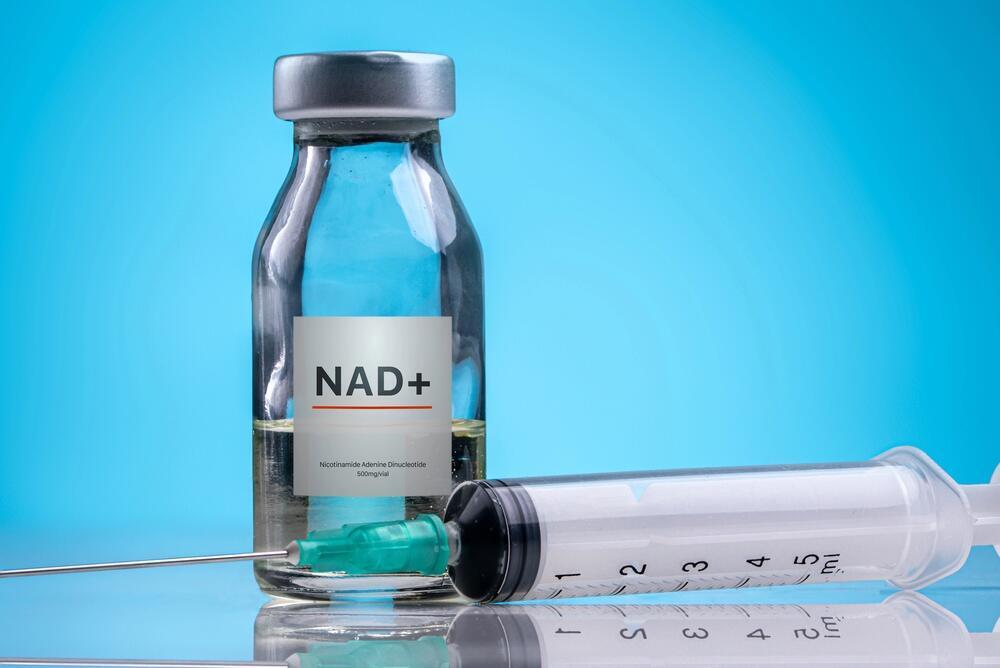
NAD+ infusion requires a prescription from a licensed medical professional
(Photo: shutterstock)
On the clinic's website, Cabrera said he came from a family of medical professionals and began assisting his mother with medical procedures at age 11, which he said sparked his passion for medicine.
Despite the medical credentials he sought to project, prosecutors told the court unequivocally that Cabrera had no legal authority to administer intravenous infusions, a procedure that requires a prescription and the involvement of a licensed medical professional.
Now free without bail, Cabrera is awaiting the results of Baron's autopsy. Those findings could lead to much more serious charges. If investigators determine that the illegally administered infusion directly caused the patient's cardiac arrest, prosecutors are expected to seek more severe charges, including manslaughter or criminally negligent homicide, a move that would likely lead to his rearrest and expose him to a lengthy prison sentence.
The case also highlights the growing popularity of NAD+ infusions at upscale wellness centers across the United States, a trend promoted by celebrities including Kendall Jenner as a powerful anti-aging treatment. Medical experts, however, remain skeptical of those claims.