

Shir Yodfat doesn’t wait for things to happen. At 26, while balancing two roles: a social media influencer with hundreds of thousands of followers and the owner of a boutique agency representing 16 TikTok creators, she is used to being in control. But five years ago, that control faced its toughest test. It began with a family tragedy and ended with a series of difficult medical decisions that changed her life.
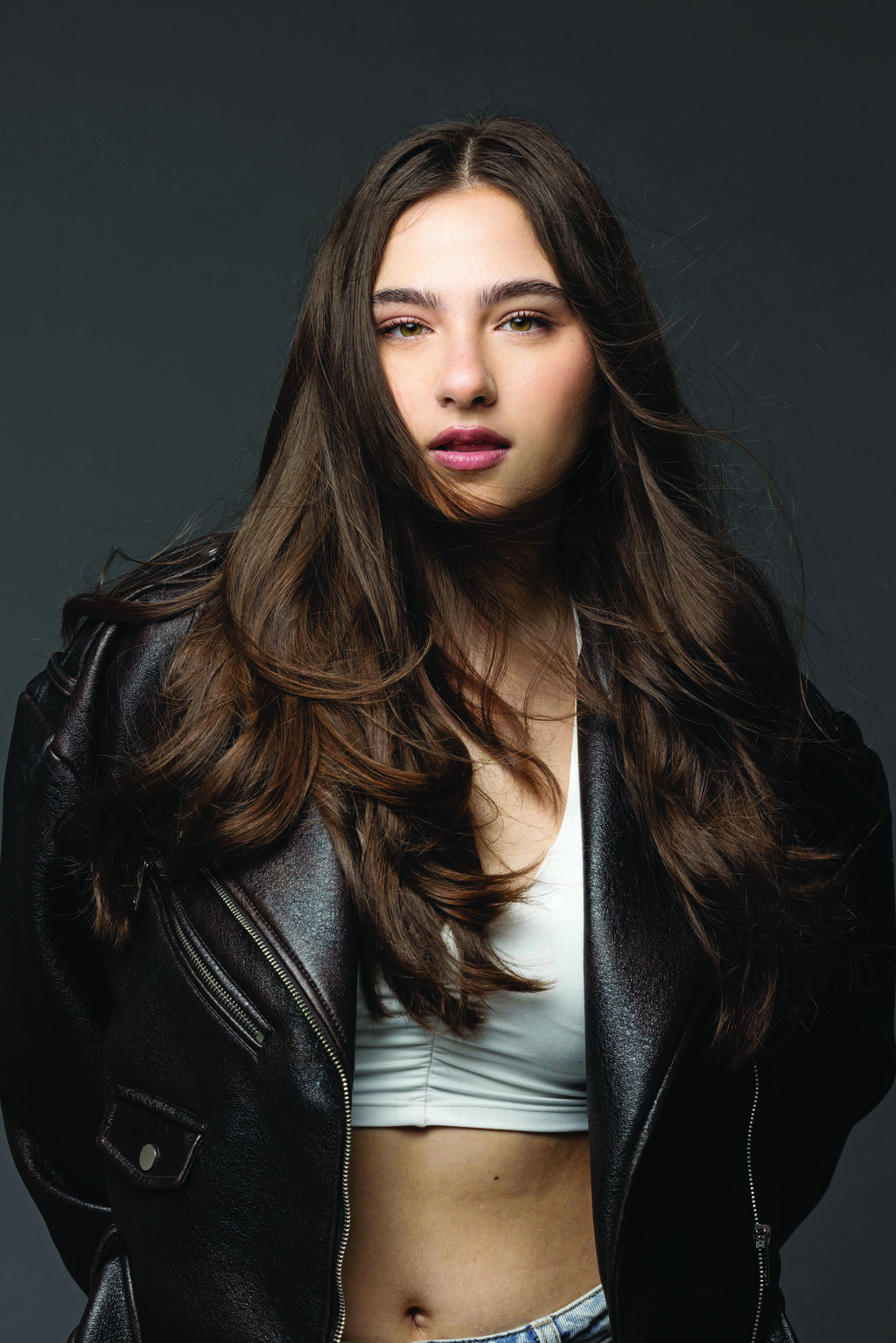
“My cousin was 27 and pregnant when she was diagnosed with breast cancer,” Yodfat recalls. “She didn’t tell us. We’re an Ashkenazi family that doesn’t talk about these things; it’s taboo. My uncle hinted to my dad, ‘Maybe you should get tested’, but my dad didn’t understand what he meant and forgot about it. She died three years later after a hard battle with metastases that reached her brain. Only when her condition worsened did her immediate family reveal the secret that she carried the BRCA gene.”
The revelation shook the extended family. The meaning was clear: their risk of developing breast and ovarian cancer was dramatically higher, as BRCA mutations are about 10 times more common among Ashkenazi Jews than in the general population. The gene is inherited in a dominant pattern, meaning a child has a 50% chance of carrying it if one parent does.
Her father took a blood test. While waiting for the results, Yodfat says she felt conflicted. “On one hand, I had a strong gut feeling my dad had the mutation, and that I did too,” she says. “But my cousin was still alive then, and I had no idea she wouldn’t make it. I didn’t think it was that serious.”
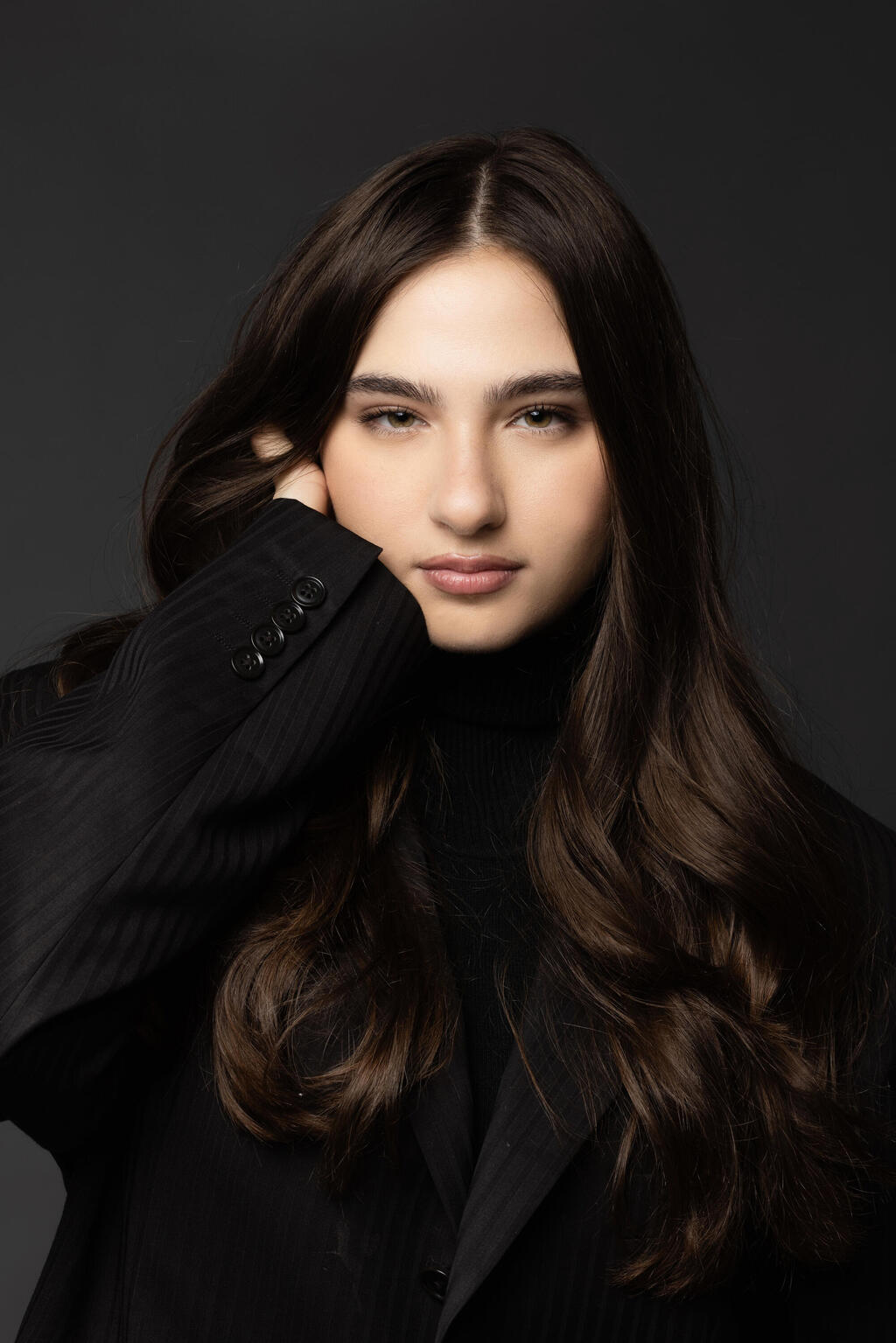
The family didn’t talk about the illness
(Photo: Idan Cohen)
Then the result came back positive.
“Yes, my parents sat me down, but I wasn’t surprised. I told them I would get tested too.”
How did they react?
"I was 21. Neither they nor the medical staff cooperated with me. At the genetics clinic they tried to convince me not to get tested; they said there’s a right age for testing and recommended monitoring with mammograms because I’m young. They scared me about surgery, said a mastectomy would be terrible and therefore should be delayed. I couldn’t understand why they were normalizing life in uncertainty. To me, it’s essential. It takes away the uncertainty because I know what I’m dealing with.”
The genetic test took about a month, an agonizing wait. “It was the only thing on my mind,” she says. “Even though I knew deep down I was a carrier, hearing it confirmed was very hard. I understood I now had to deal with something that had entered my life.”
What did you do?
“I didn’t fall into depression. I cried only three times. Once, when I was diagnosed, those were tears of understanding. The second time was when my cousin died; I had never cried like that before, as suddenly it became real. The third time was in the waiting room before my first surgery. People ask 'How come you don’t cry', they think I’m in denial, but there’s something empowering about talking about it online. I use my platform to turn a disadvantage into an advantage.”
One of the most difficult parts, she says, was consulting professionals about surgery. “Some doctors told me, ‘there are women who feel they’ve lost their femininity.’ One doctor said it’s a monstrous surgery, that men leave afterward, and that I should wait until after I’m married. I felt they were planting fears in my head, deciding for me how I would feel. Instead of saying, ‘you’ll still be a woman, we’ll give you the best result possible.’ But my breasts don’t define me or my femininity.”
Two surgeries
At 23, Yodfat underwent two procedures. First, a breast reduction and lift, followed by a full mastectomy with reconstruction using implants. “The reduction and lift are done for women with larger breasts who want to preserve the nipple,” she explains. “I knew emotionally it would be very hard for me to lose it and replace it with a tattoo. In the second surgery, the reconstruction was done immediately after the mastectomy. Seeing myself without breasts, even for a minute, would have been very difficult.”
Today, she says she is proud of the result. “There’s less sensitivity in a sexual sense, but my breasts now look amazing, even better than before. Women need to understand, it’s not terrible, what’s far worse is losing your life because of breasts.”
Her decision to become an influencer agent also took shape during that period. After sharing her journey online, she met a major agent who wanted to sign her. “He said horrible things,” she recalls. “He told me he had a girlfriend who had the surgery and he broke up with her because it looked terrible. He even showed me a photo of her chest and said, ‘I don’t want you to do the surgery now, I need you to be a bit more famous first.’”
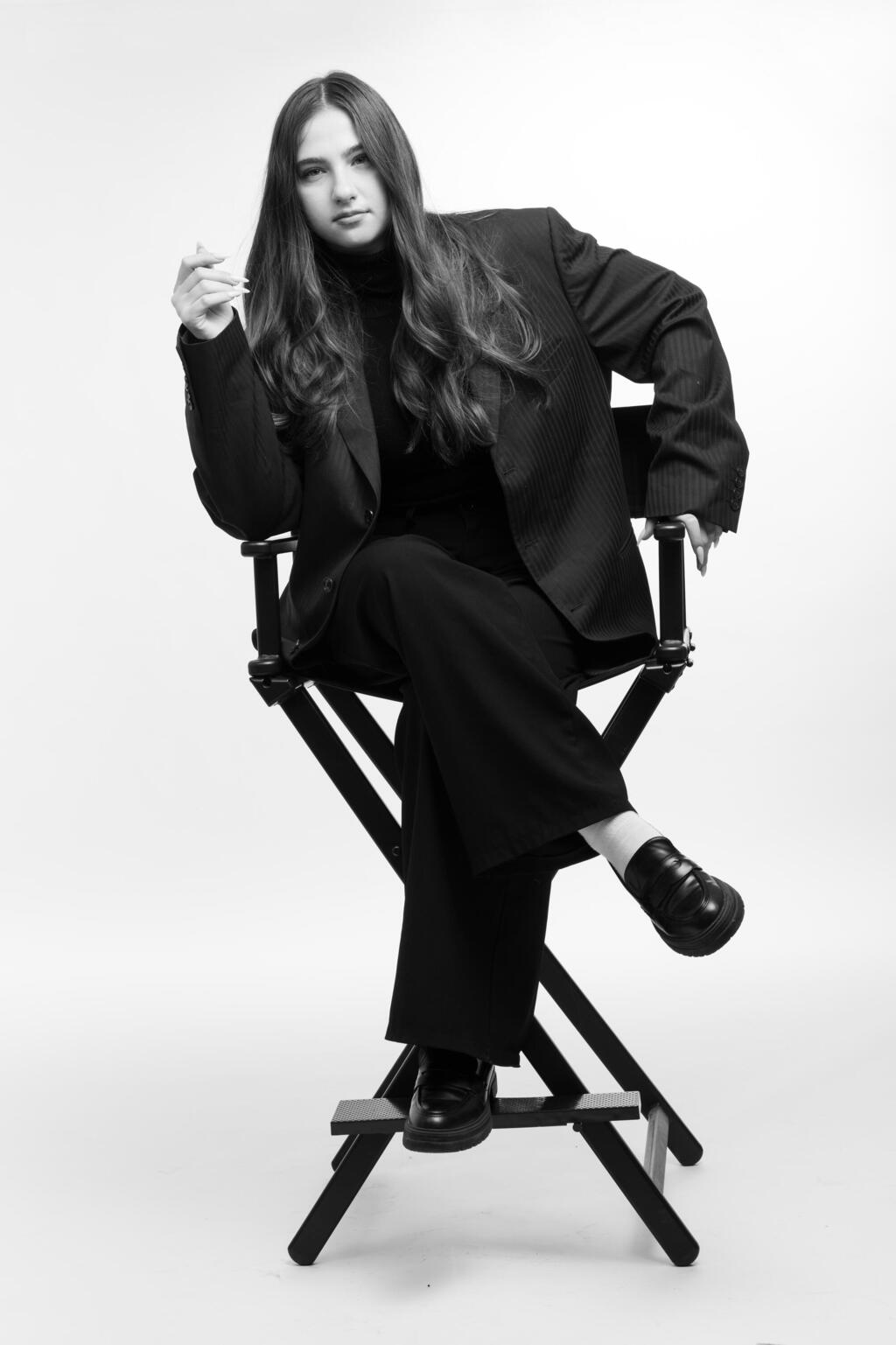
'I don’t understand why doctors aren’t urging young women who carry the gene to freeze their eggs early'
(Photo: Idan Cohen)
How did you respond?
"I was in shock. Only when I realized I felt uncomfortable telling my partner and family about the conversation did I understand something was wrong. That same day I decided to start my own agency. It’s unacceptable for someone with that mindset to work in a female-oriented field."
Do you think doctors and that agent spoke to you that way because you’re a young woman?
“Absolutely. It’s not common for someone young to go through this. They probably thought I didn’t understand death or serious health risks.”
Wedding preparations
Her resilience, she says, comes from earlier struggles. She recalls growing up in Rishon Lezion, experiencing bullying, partly due to undiagnosed dyslexia. “Kids in elementary school made up a nasty song about me and sang it in every social interaction. One girl wrote in the class group that she invited everyone except me.
"I didn’t have many friends. They called me stupid. I felt that I wasn’t smart. I saw school psychologists and constantly worked on becoming more social. In the end, those challenges built the social skills that contribute to my business today.”
When did you decide to become an influencer?
“At 22, after the army, when I started studying computer science at the Open University. I had an amazing trainer and told him he had to open a TikTok account but he wouldn’t listen. I told him it was easy and that I could reach 10,000 followers in a month.
“I started out posting content about computer science, how to get into university, and what to study. Within a month I hit my goal. When I reached 35,000 followers, I decided to drop out. I was in my second year, just a week after earning a dean’s honor, and in the process of transferring to continue my studies at the Technion.”
Today, with 165,000 followers on TikTok and nearly 40,000 on Instagram, she uses her platform to raise awareness and save lives. “I say I got this mutation so more women will know about it. As soon as I could after surgery, I told my mom, ‘Get the camera.’ It was important for me to share everything. Now women text me, saying they got tested. Someone even stopped me on the street and said she decided to have a mastectomy because of me.”
Other online reactions: “You’re amazing, this is so important, keep posting so others can learn from you”; “Thank you for having the courage to share and raise awareness”; “There’s no doubt early detection can save lives”; “Wait, cancer can be genetic? A lot of my family died from cancer, this is really scary now.”
What does your partner think?
“All along I projected to everyone, including my partner Adam Ben Ari, that everything would be okay. In August we got engaged. I wish I could tell that doctor who scared me, ‘You see, the surgery didn’t harm my relationship.’ We’ve been together eight years. We met in the army. I was sent to a communications corps course I didn’t want to be in. I cried when I found out I’d been assigned there, but luckily that’s where I met the love of my life.
"I don’t know how any other man would have handled the BRCA diagnosis, but Adam supported me every step of the way. He was there for me, stayed with me through the surgery, and came to every test and appointment I needed. When people warned he might leave me, it sounded absurd. He told me, ‘Don’t listen to them.’”
You’re doing meaningful, important work, presenting your experience positively. Still, where are the challenges?
“I’m supposed to remove my ovaries by 35. That’s where the highest risk is. It means I need to have children early, finish building a family by 35. I’m 26, career-driven, running a company. I want to achieve things and already have to think about kids. I’m not ready yet. I wanted to have children once I'm financially stable and proud.”
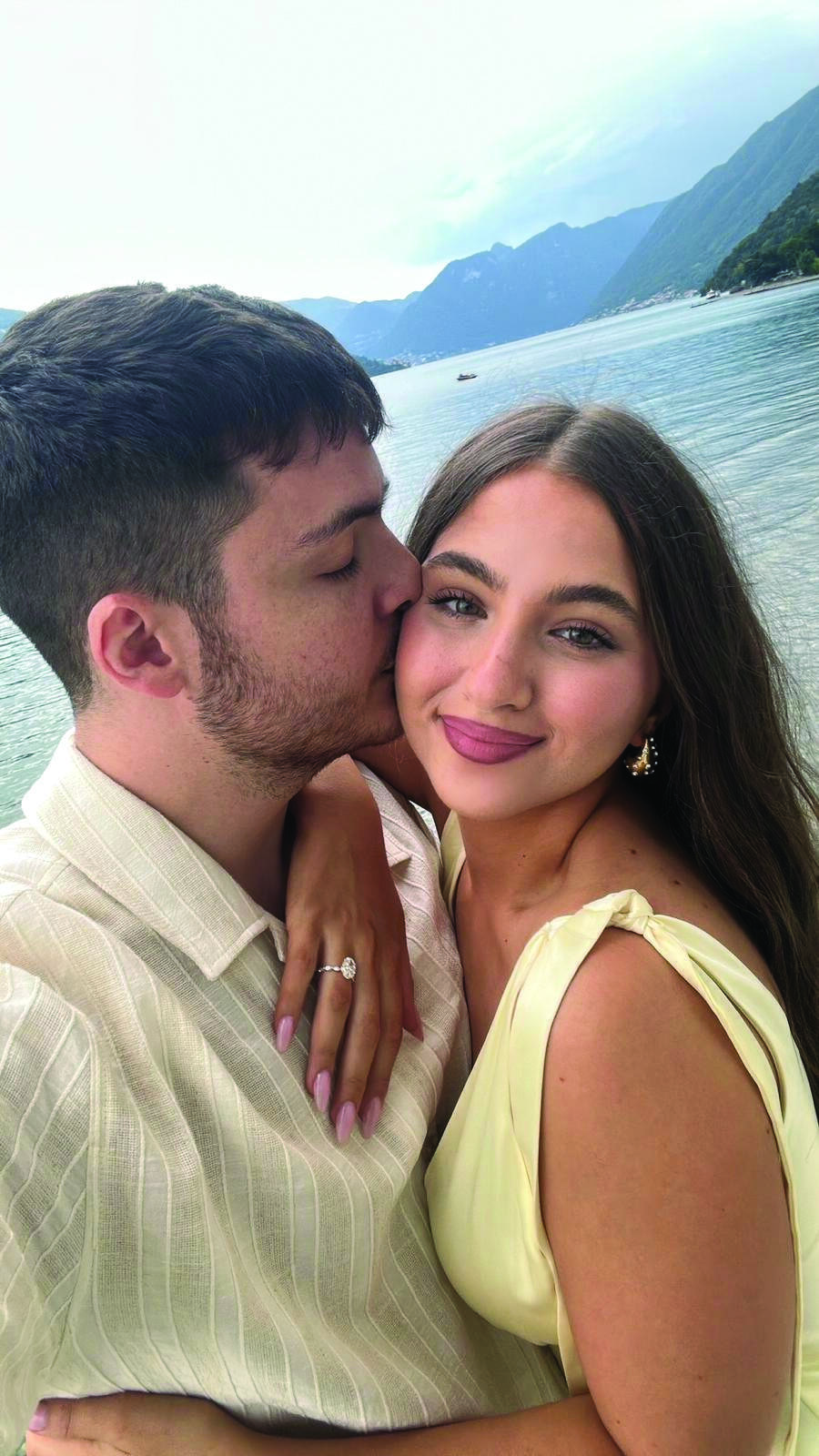
With her partner, Adam
(Photo: Private album)
What does removing the ovaries mean?
“It means I’ll enter menopause in about nine years, which is very early. It’s something I’m still trying to process. And I won’t be able to breastfeed, which is also difficult.”
Egg freezing
Now she faces her next step: fertility preservation. She is preparing to freeze her eggs, which will later allow genetic screening (PGD) to ensure her children do not inherit the mutation. “I don’t understand why doctors don’t push young carriers to freeze eggs early,” she says. “I’m angry at myself for not starting sooner.”
How does Adam feel about it?
"There’s a sense of discomfort around it. It’s not easy knowing he might have to go through a process to have children, and he hasn’t been tested yet."
Why does he need testing too?
“Because if he also carries the gene, we’ll need a process that selects both eggs and sperm to create an embryo without the mutation.”
Is he willing to get tested?
“He’s not there yet, but this whole situation accelerated the timeline for marriage. Adam, who works in programming, wanted to marry later, like I did. We’re both career-driven. I told him, ‘I need certainty from you. You can’t keep me waiting, it’s not fair because I’m dealing with something bigger than me.’ In the end, he proposed, but I still feel like I’m pushing him into it. Even though I try to stay positive about it, it still feels uncomfortable."