


Two and a half years after October 7, residents of Netiv HaAsara are cautiously trying to return to routine. Most have come back home, new families have joined and the paths are once again filled with activity. On the surface, it is a story of recovery — a community that was badly hit is stabilizing in an inspiring way. But beneath it, the body remembers: a daily reality that may reflect the broader Gaza border region, where people have returned home but not fully to themselves, physically or emotionally.
From that place, an unusual initiative has emerged in the moshav (a cooperative farming community): not to wait for symptoms to worsen or become formal diagnoses, but to identify and address them early. With the understanding that prolonged trauma is not only psychological but also a real physical risk factor, a new project was launched over the past month — just before the outbreak of Operation Roaring Lion — aiming to turn the idea of community resilience into a concrete plan of action.
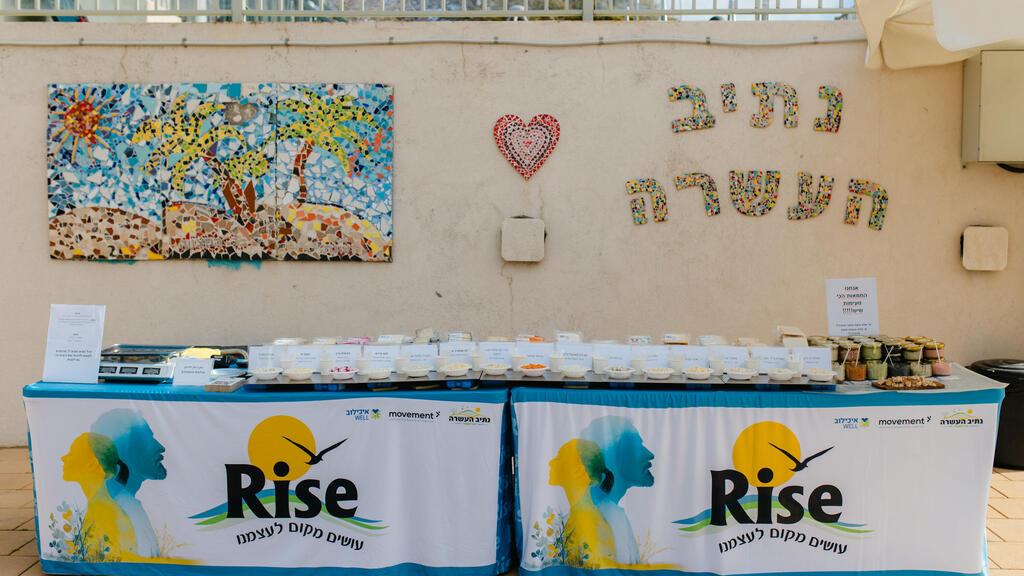
The project, titled “Rise — making space for our people,” is run by Ichilov Well, part of the Movement Group. Dozens of residents are taking part in a dedicated month that brings together a wide range of medical screenings and treatments under one roof. Alongside the tests, participants are introduced to tools from the wellness field, including breathing and regulation workshops, sleep and nutrition guidance and mind-body practices. Even the increasingly popular ice baths are included.
The initiative is based on a broader concept: if chronic stress and trauma can, over time, lead to increased illness — from sleep disorders and high blood pressure to more complex diseases — then the most effective way to deal with them may be before they fully develop.
Behind the project is Sarah Menashe, 49, a farmer and member of the moshav’s governing committee. For her, the idea did not stem from a wellness trend but from a reality that became clearer over time. “We thought we would find residents in a much more resilient and stronger state after two and a half years, but unfortunately, the reality was different,” she said. “August 2025 was the official date the army approved residents’ return. Some came back earlier, but most returned after that.”
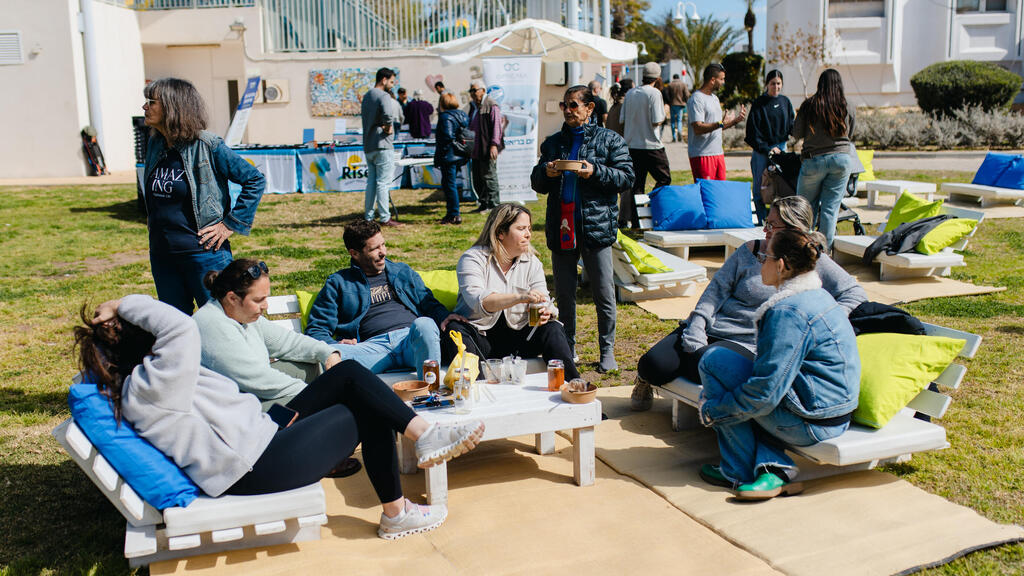
'Many health issues began to surface': Netiv HaAsara residents during the project
(Photo: Itamar Doweck, courtesy of Ichilov Well)
Beneath the familiar narrative of community resilience, a more complex picture emerged, affecting even longtime residents. “We thought the veteran members would hold us together,” Menashe said. “We have been through many operations and periods of escalation. Usually, younger families would leave and return once things calmed down. Our founders, the older generation, never left — until October 7, and it was very hard for them. After two and a half years, we found residents who had not taken care of themselves, especially those up to age 55, who were busy with children, businesses, work and caring for parents. Many health issues began to surface.”
What kinds of issues?
“Skin conditions, people with herpes in the eye, hair loss. Others developed diabetes, blood pressure problems. Quite a lot of illnesses.”
Wellness on the Gaza border
The link between body and mind is not just subjective but increasingly studied. Chronic stress and prolonged trauma are not merely psychological; they activate constant physiological alertness, disrupt hormonal balance, affect the immune system and can manifest over time in a wide range of symptoms and illnesses. For communities that have endured prolonged extreme events, recovery cannot be limited to the mental level alone but must also address the body. This understanding gave rise to the project.
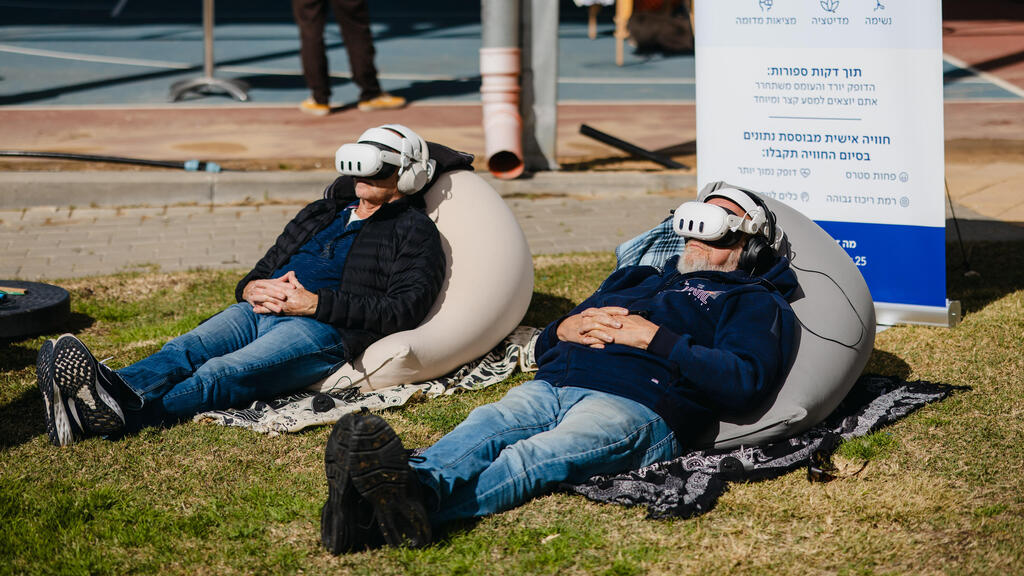
Netiv HaAsara residents during the project
(Photo: Itamar Doweck, courtesy of Ichilov Well)
“I attended a lecture before October 7 about stress and trauma and what they do to us, and I said we must find a way to treat people before it becomes chronic,” Menashe said. “Unfortunately, the health system in the south — and in general — is lacking, and getting an appointment with a specialist can mean waiting a year. That is something that needs fixing regardless of October 7. I spoke with Mooli Lahad, who founded the resilience center in Kiryat Shmona, and he told me: ‘Sarah, you need to start treating both the body and mind of residents.’”
From there, the project took shape. “We contacted Ichilov Well, sat down, understood our needs and built a framework for residents. The goal was to give people a kind of reset, to get them to take care of themselves,” she said. “There are people here who were not checked at all during this period. At the end, each resident is supposed to receive a personalized annual plan.”
How does it work in practice?
“Each resident undergoes screening that includes medical and physiological tests — dermatology, vision, hearing — everything a person would normally need, all in one place in the moshav. They then receive comprehensive feedback from a doctor, including recommendations on nutrition, physical health and mental well-being. Throughout the month, we also offered workshops — rebirthing breathing, sleep workshops. Unfortunately, many people here are not sleeping. At the end, we expect a summary showing how many residents suffer from sleep issues, nutritional deficiencies or need mind-body treatment, so we can build a full program.”
Is there a disconnect between “wellness” and a Gaza border community?
“No, not at all. Our resilience has, unfortunately, weakened and needs maintenance. We believe that when you are physically and mentally healthy, you can cope with any challenge. Nearly 90% of residents have returned home, and about 100 new residents have joined. Life here continues.”
What has the response been?
“We received an incredible team,” Menashe said. “They could have done this in private clinics and earned a lot, but instead they came here and provided care with real attention and understanding. In some cases, urgent medical intervention was needed, and they continue to follow those residents. The feedback has been amazing.”
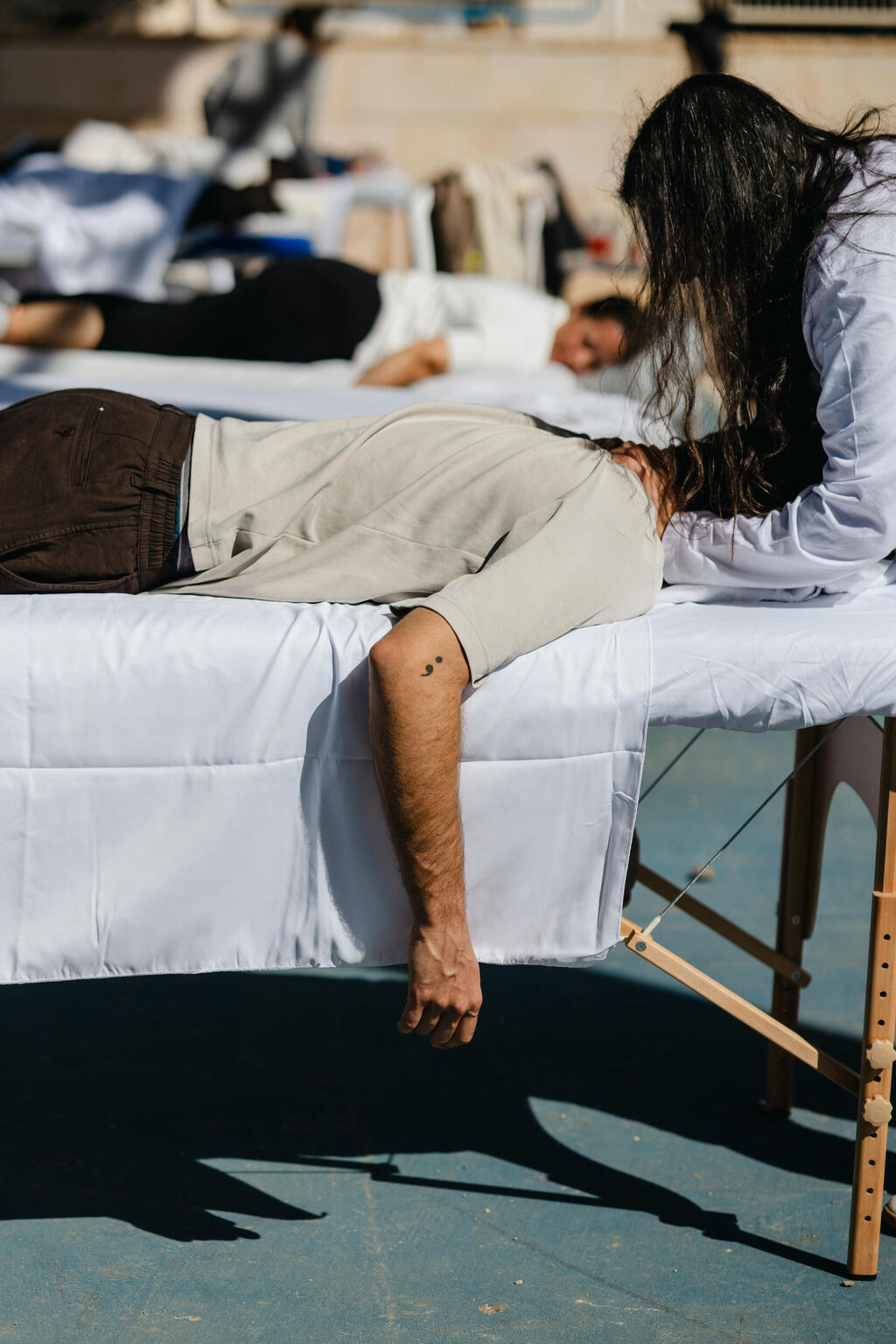
'There are wounds you cannot see'
(Photo: Itamar Doweck, courtesy of Ichilov Well)
For residents, the experience reflects both recovery and lingering challenges. Nitzan Ailon, 50, said: “About 85% of residents have returned, and there are around 100 new ones. There are no available homes — there are waiting lists. But there are wounds you cannot see. I cannot say the community has fully recovered, but there is strong support through new initiatives. Many good things are happening.”
For her, the accessibility of services in one place was crucial. “Bringing everything here made it easier to participate. Normally, there is no time — we are busy and constantly moving. Health checks get pushed aside. We received psychological support throughout, but physical health gets less attention, and it is just as important.”
Over time, the project’s value extended beyond treatment. “The informal meetings created another layer of community connection,” she added. “That resilience is what brought many of us back despite the fear. Those connections matter as much as anything.”
Mali Stern, another resident, shared a similar view. “I returned after a year to an empty moshav. My neighborhood was deserted, and we were the only family. Some homes belonged to people who were killed and have not been reoccupied. Now the moshav is full again — you hear children, and it feels good. I still keep to myself, but it feels like the place is coming back to life.”
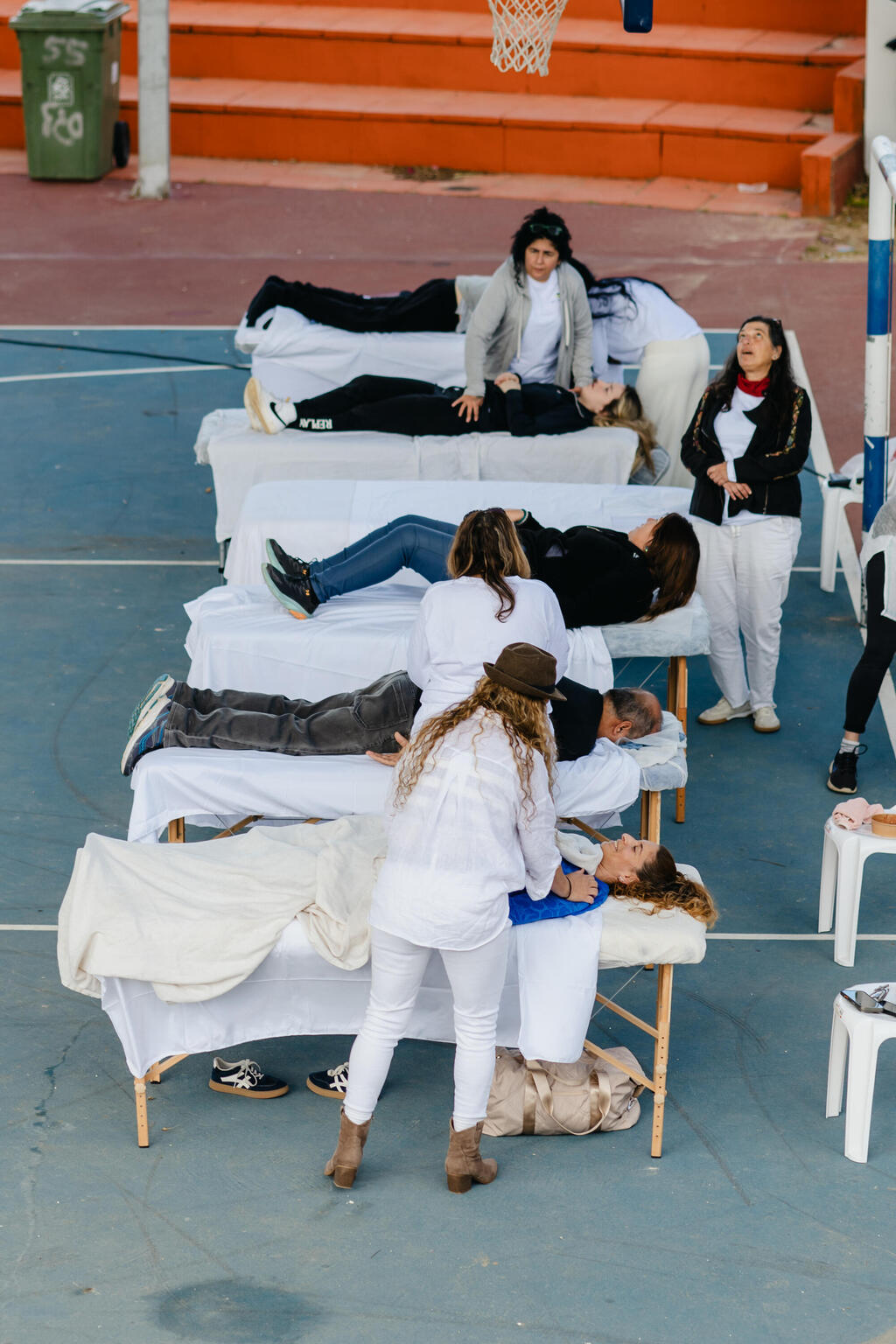
Most residents have returned to the moshav
(Photo: Itamar Doweck, courtesy of Ichilov Well)
For her, the project addressed practical needs neglected since October 7. “It is an amazing initiative. Bringing these services to us is incredible. Personally, I do not get checked unless something is wrong. Here, I could do a full screening steps from home. We are not young, and we have been through a lot. In the past two years, we neglected our health even more than usual.”
Ultimately, the initiative in Netiv HaAsara is more than a local project. It reflects an attempt to cope with a new reality and rethink how the health system approaches prevention, accessibility and gaps between Israel’s center and periphery.
“My dream is to use the moshav as a pilot to show how important health is for communities that have experienced prolonged trauma and stress,” Menashe said. “It is critical to prevent illness so it does not burden a system that, unfortunately, focuses on treatment rather than prevention. Quality healthcare in the periphery is essential.”