

At Maimonides Medical Center, in the heart of Brooklyn's ultra-Orthodox Borough Park neighborhood, kosher food is served, Sabbath elevators operate, staff members speak Yiddish and afternoon prayers are held daily in the synagogue in the lobby. But behind the institution named for the medieval Jewish scholar Maimonides, also known as the Rambam, where more than 5,000 babies are born each year, lies a far less reassuring reality: The hospital faces severe financial difficulties, its auditors have warned that its continued operations are at risk and a government-backed rescue plan worth more than $2 billion has been tied up in court for months.
Some of those fighting the rescue plan are leaders of the very Jewish community the hospital has served for more than a century. They fear that transferring control to New York City will undermine the hospital's religious identity and the quality of care it provides.
Gallery
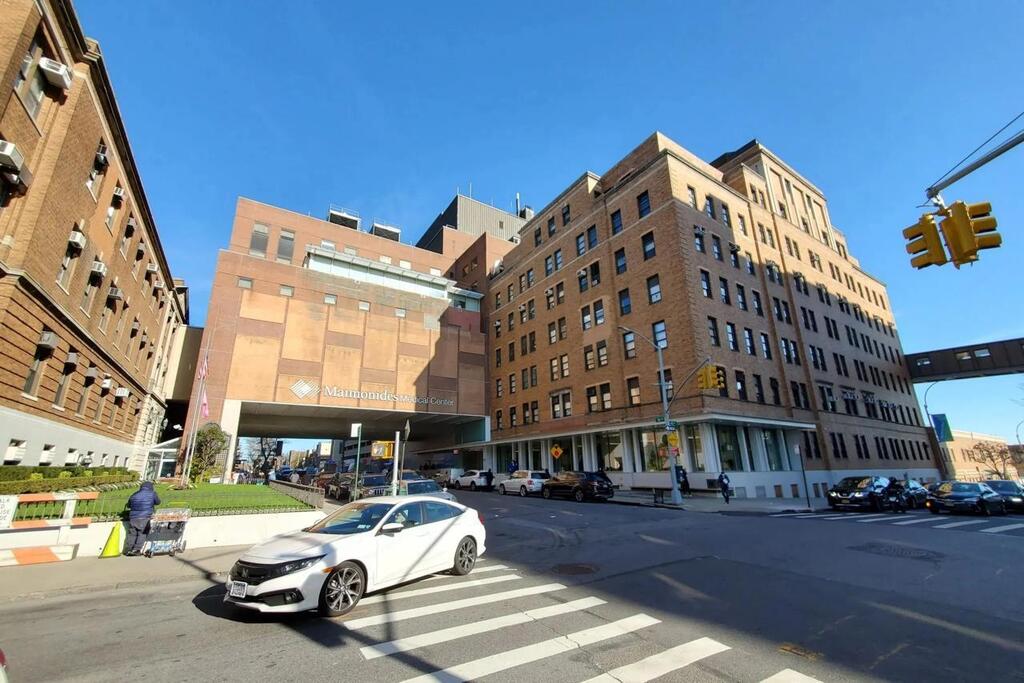
Maimonides Medical Center, in the heart of Brooklyn's ultra-Orthodox Borough Park neighborhood
(Photo: Maimonides Emergency Medicine)
The dispute has now taken another turn. Seven Orthodox members of the Maimonides board have appealed to New York Attorney General Letitia James, demanding that she intervene in a decision to exclude them from the new board that will be established once the deal is completed. The seven, who have themselves filed a lawsuit challenging the merger, allege that the move is retaliation for their opposition and an attempt to silence critical voices. The hospital has rejected the accusations, but the latest dispute could create another obstacle to a deal that was supposed to be completed in April.
Maimonides is far more than a neighborhood hospital. Founded early in the last century by Jewish women seeking to provide medical care to the poor, it grew over the years into Brooklyn's largest independent health care system. Today, it includes three hospitals, among them a children's hospital, and more than 80 clinics and medical centers. Its facilities record more than 1 million patient visits annually.
The system employs approximately 7,000 people and operates a trauma center, heart disease and cancer treatment departments and one of New York's busiest maternity services. Its patients come from all segments of society, including immigrants, older adults and low-income families.
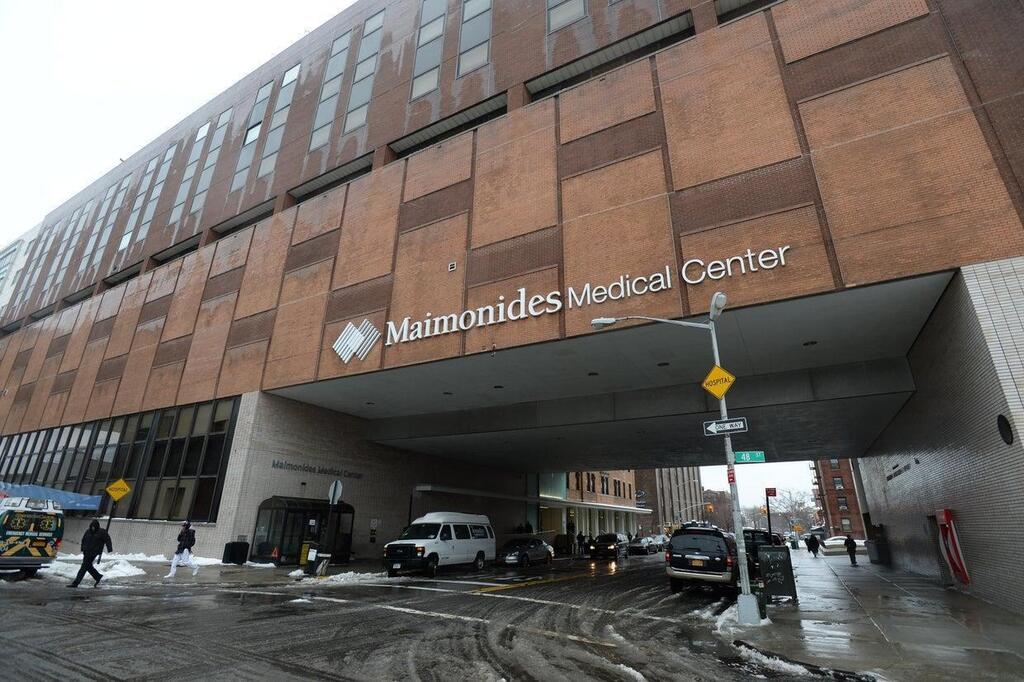
A busy maternity ward, a high-need patient population and aging infrastructure
(Photo: Maimonides Emergency Medicine)
The population Maimonides serves is itself one of the main reasons for its financial crisis. According to hospital documents, approximately 86% of its patients are covered by Medicare and Medicaid, the government health insurance programs for older Americans and people with low incomes. These programs reimburse hospitals at lower rates than private insurers.
As a result, Maimonides receives relatively little compensation for much of the care it provides, even as spending on salaries, medications and equipment continues to rise.
A baseball stadium and multimillion-dollar salaries
The hospital's management has also faced accusations of mismanagement and declining quality of care. Several years ago, local activists launched a campaign called "Save Maimonides."
Among the decisions that sparked outrage in the community was the hospital's purchase of naming rights to a baseball stadium in Coney Island, which became known as Maimonides Park, even as the hospital was losing money. The high salaries paid to senior executives also drew criticism.
Maimonides CEO Ken D. Gibbs received approximately $3.2 million in salary and other compensation in 2020, compared with about $1.8 million the previous year. Hospital officials explained at the time that part of the amount consisted of deferred compensation accumulated over several years and rejected allegations of financial mismanagement.
In 2021, the hospital's annual deficit exceeded $165 million. In 2024, it recorded an operating loss of approximately $80 million, although it managed to post an operating surplus of about $32 million in 2025.
But the improvement was not enough. In a financial report released in May, management warned that the hospital's financial condition, cash flow and liabilities raised substantial doubt about its ability to continue operating over the following year without a solution.
The solution proposed by authorities was to bring Maimonides under the umbrella of NYC Health + Hospitals, New York City's public hospital system and the largest of its kind in the United States.
The system operates Bellevue Hospital in Manhattan, the oldest public hospital in the United States, founded in 1736 and regarded as one of the city's leading trauma centers.
New York Gov. Kathy Hochul announced a roughly $2.2 billion, five-year assistance package in October 2025 to make the transition possible. The funding is intended to support day-to-day operations, eliminate debt and modernize aging medical infrastructure.
Former New York City Mayor Eric Adams announced the deal just three days before leaving office. The deal also received the backing of his successor, Zohran Mamdani, who kept Dr. Mitchell Katz in his position as president and CEO of NYC Health + Hospitals. Katz is overseeing the transition.
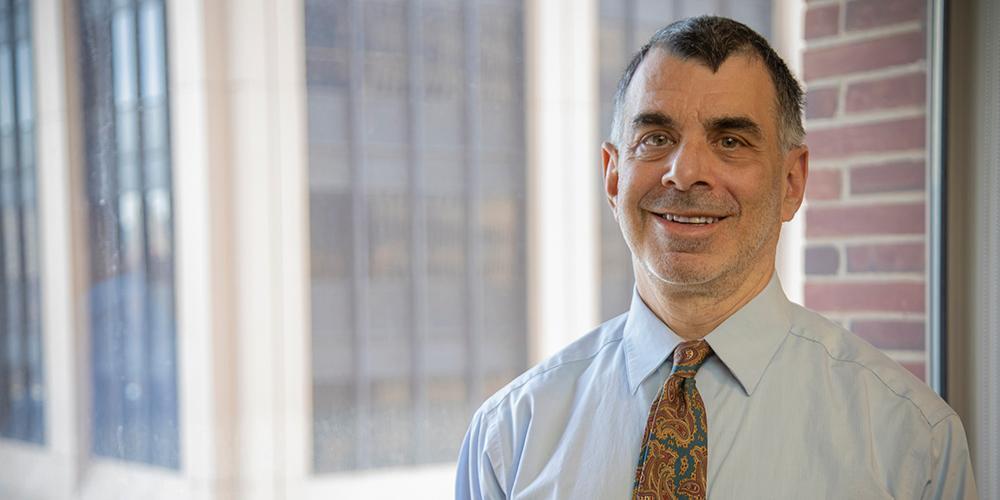
Dr. Mitchell Katz, president and CEO of NYC Health + Hospitals
(Photo: NYC Health + Hospitals)
Part of the investment will also go toward replacing Maimonides' medical information systems. According to Katz, the hospital still uses more than five separate, outdated systems alongside paper records.
Those systems are to be replaced by a single electronic platform that will give doctors and patients more organized access to medical information, make coordination between departments easier and improve the monitoring of treatments.
Hundreds of millions of additional dollars will be directed toward renovating hospital departments, particularly the maternity ward, which treats thousands of women each year, many from the surrounding ultra-Orthodox communities.
Mixed safety ratings, top marks for maternity care
Despite its financial troubles, Maimonides is not a hospital that performs poorly across all measures of medical quality.
In the Leapfrog Hospital Safety Grade, compiled by an independent American organization that assesses hospitals on issues including infections, complications and medical errors, Maimonides received a C, a middling grade on a scale ranging from A to F.
In contrast, in August, the hospital was designated a Level IV maternal care center, the highest level in the U.S. classification system, allowing it to care for particularly complex pregnancies and deliveries. It was also included on U.S. News & World Report's list of high-performing hospitals for maternity care for 2026.
For opponents of the takeover, however, the issue goes beyond finances.
For many families in Borough Park, Maimonides is where generations of children have been born, where older relatives receive medical care and where ambulances operated by Hatzalah, the ultra-Orthodox volunteer emergency medical service, bring patients.
They fear that under city management, the hospital will lose its identity and its ties to local residents. They also worry that city officials could eventually make decisions about medical policy, appointments and budgets without understanding the community's needs.
Katz, for his part, has pledged to preserve the hospital's existing religious and cultural practices. According to documents submitted to the court, the agreement requires those practices to be maintained for at least 30 years.
"We want Maimonides to remain Maimonides," he said after the deal received a key regulatory approval in September.
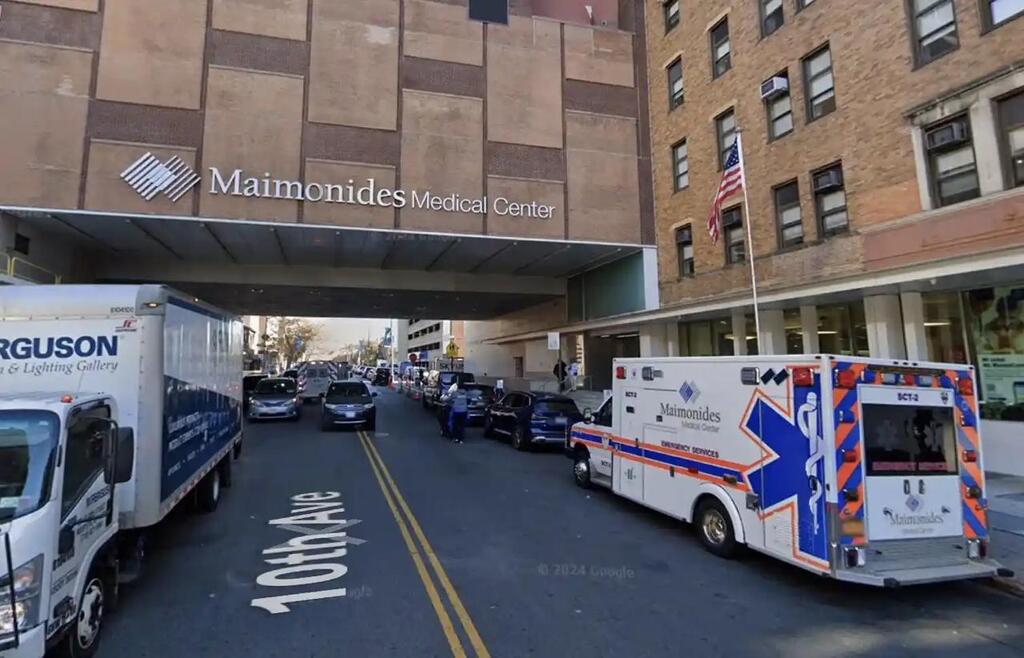
Hospital officials have warned of substantial doubt about Maimonides' ability to continue operating over the next year without a solution
(Photo: Maimonides Emergency Medicine)
Those assurances have failed to convince the Bobov, Belz and Satmar Hasidic communities, as well as ultra-Orthodox charitable organizations.
Hatzalah representatives from four Brooklyn neighborhoods even published a letter opposing the deal, arguing that it does not serve the community's best interests.
Attorney Martin Bienstock, who represents some of the opponents, warned that over time, Maimonides could become just another city hospital and that a loss of community trust would also harm patient care.
Opponents have also argued that private alternatives were not seriously considered, including partnerships with Touro University or Westchester Medical Center.
Gibbs responded that he was unaware of any alternative partner capable of offering a practical solution.
'Retaliation against whistleblowers'
The dissenting board members turned to the courts late last year and were subsequently joined by community organizations.
In May, a judge in Albany, the New York state capital, ruled that the state Health Department was not authorized to bypass a review of the deal by the Public Health and Health Planning Council.
In September, however, the council reviewed the proposed transaction and approved it unanimously.
Court approval is still required to complete the transfer of control, and additional legal proceedings remain underway.
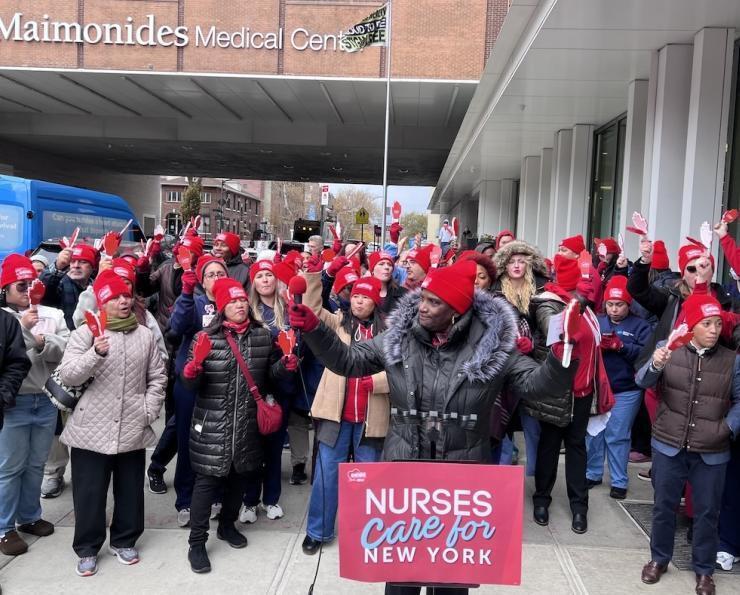
Hospital employees demonstrate to demand improvements in working conditions and patient care
(Photo: New York State Nurses Association)
The seven board members now allege that they were excluded from the board of the new corporation that will operate Maimonides because of the lawsuits they filed.
In a letter to the attorney general sent through their attorney, Akiva Shapiro, they described the exclusion as "illegal retaliation and discrimination for engaging in protected whistleblowing activities" against Orthodox board members and warned that ultra-Orthodox representation would be harmed.
Maimonides spokesman Sam Miller rejected the allegation.
The attorney general's office said it was reviewing the letter, although the decision on the transaction itself rests with the court.
New York's major nurses' and health care workers' unions, meanwhile, support the deal, saying it is essential to retaining staff and ensuring continuity of care.
Nor is there a unified position within the Jewish community.
Dr. Miriam Knoll, CEO of the Jewish Orthodox Women's Medical Association (JOWMA), believes public hospitals can also accommodate religious patients, although the new management will have to earn the community's trust.
She knows Maimonides well: She and all her siblings were born there, and both her parents, who are physicians, completed their residencies at the hospital.
Every afternoon, worshippers continue to gather in the synagogue in the lobby for Mincha, the Jewish afternoon prayer service. In the maternity ward, medical teams continue welcoming women arriving to give birth, just as Knoll's parents did throughout their years working at the hospital.