

We are at a seasonal turning point. The days are getting longer, ultraviolet radiation is intensifying and the Israeli sun is starting to remind us who the real “boss” of our skin is. For many people, this is the moment when pigmentation, that guest we thought we had gotten rid of over winter, decides to return in force.
It can be very frustrating. You invest months in treatments, lasers, peels and expensive products, and then one weekend at the beach or even a short walk from the car to the office and the spots are back. Why does this happen? What types of pigmentation exist and why is it important to tailor treatment differently for each type?
The biological mechanism: why does pigmentation “remember”?
To understand why the spots return, it is important to understand melanocytes, the cells located in the outer layer of the skin responsible for producing melanin, the pigment that gives skin its color. Melanin is not a “fault” in the body but a natural and important defense mechanism designed to protect the skin from radiation damage.
The problem begins with the “memory” of these cells. Once a pigmentation spot has formed, the area becomes more sensitive, reacts faster to the sun and tends to produce excess pigment. This is why the more accurate term is hyperpigmentation.
Even if we manage to lighten the spots and it seems the pigmentation has disappeared, the “factory” beneath the surface remains primed and ready to react to any trigger. Even minimal exposure to UV radiation and even infrared radiation that generates heat can reactivate the process and bring the spots back. This is why treating hyperpigmentation is not a one-off fix but a condition that must be managed over time.
Get to know your spot
There are several types of pigmentation spots and not all are treated the same way. That is why it is important first to understand what type you are dealing with.
1. Melasma/Chloasma
This is one of the most complex types of pigmentation to treat. It usually appears as symmetrical patches with unclear borders, mainly on the forehead, cheeks and upper lip. Melasma is influenced by a combination of sun exposure, genetic predisposition and hormonal changes such as pregnancy or birth control pills.
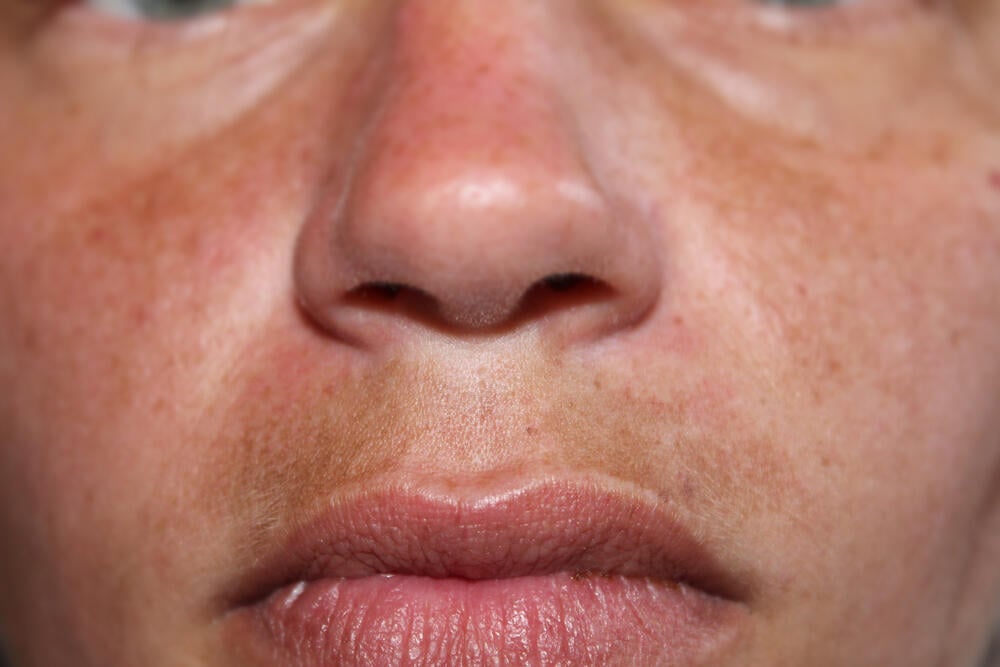
Melasma
(Photo: shutterstock)
Treatment requires patience and a long-term strategy. It usually combines controlled peels, microneedling and dermo-cosmetic melanin-suppressing topical treatments for home use, sometimes alongside prescription medication.
However, the most important factor is sun protection. Sunscreen should protect against UVA, UVB and blue light and must be reapplied every two hours during daylight hours even indoors throughout the year.
It is important to know that overly aggressive treatments such as strong lasers or deep peeling procedures can actually worsen melasma in the long term and make it more resistant.
2. Solar Lentigo
These are the familiar brown spots that develop over the years due to cumulative sun exposure. They are common on the face, the backs of the hands and the décolletage. Unlike melasma, these are usually more defined and round.
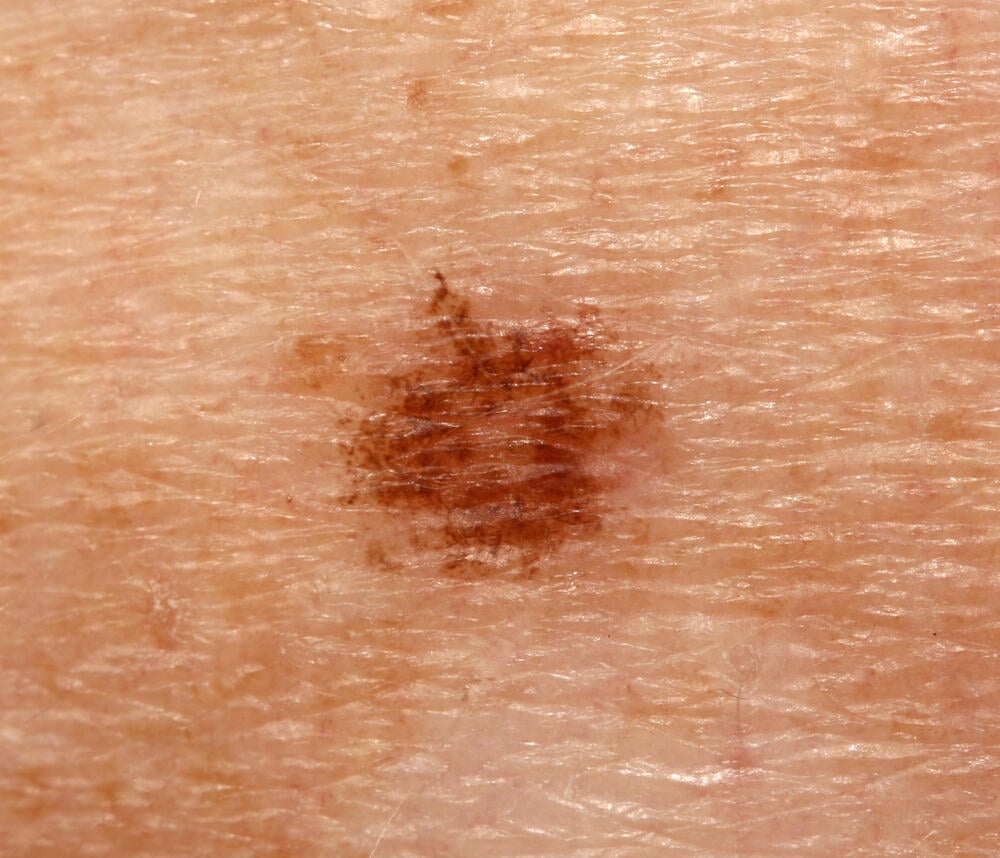
Solar Lentigo
(Photo: shutterstock)
Treatment includes dermo-cosmetic products that suppress melanin production alongside strict sun protection (UVA, UVB and blue light). In many cases, good results can be achieved with light-based treatments and lasers that target the pigment directly and break it down in a focused way.
3. Poikiloderma of Civatte
This is a very common condition in Israel, mainly appearing on the neck and décolletage (the V area). Its unique feature is a triangle-shaped area under the chin where the skin is relatively lighter and healthier because it is shaded from the sun.
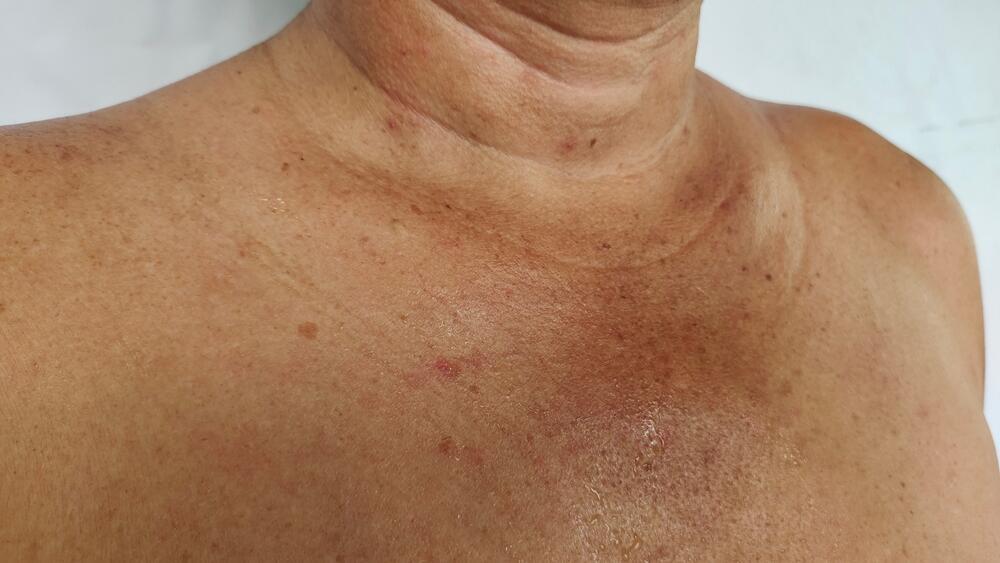
Poikiloderma
(Photo: shutterstock)
This is not just pigmentation but a combination of several issues: brown spots (hyperpigmentation), white spots (hypopigmentation) and visible redness due to blood vessel dilation and thinning of the skin. In some cases, perfumes sprayed directly on the neck can worsen the condition when exposed to sunlight.
Treatment usually combines advanced light-based technologies (IPL), which treat both pigmentation and redness at the same time, or a combination of lasers. The first preventive step is essential: stop spraying perfume directly on sun-exposed neck skin and apply strict sunscreen protection.
4. Post-inflammatory pigmentation (PIH)
These are spots that appear after skin “trauma” such as acne, burns, injury or even aggressive cosmetic treatments. As part of the skin’s healing process, more pigment is produced and dark marks remain. The condition is more common in darker skin tones.
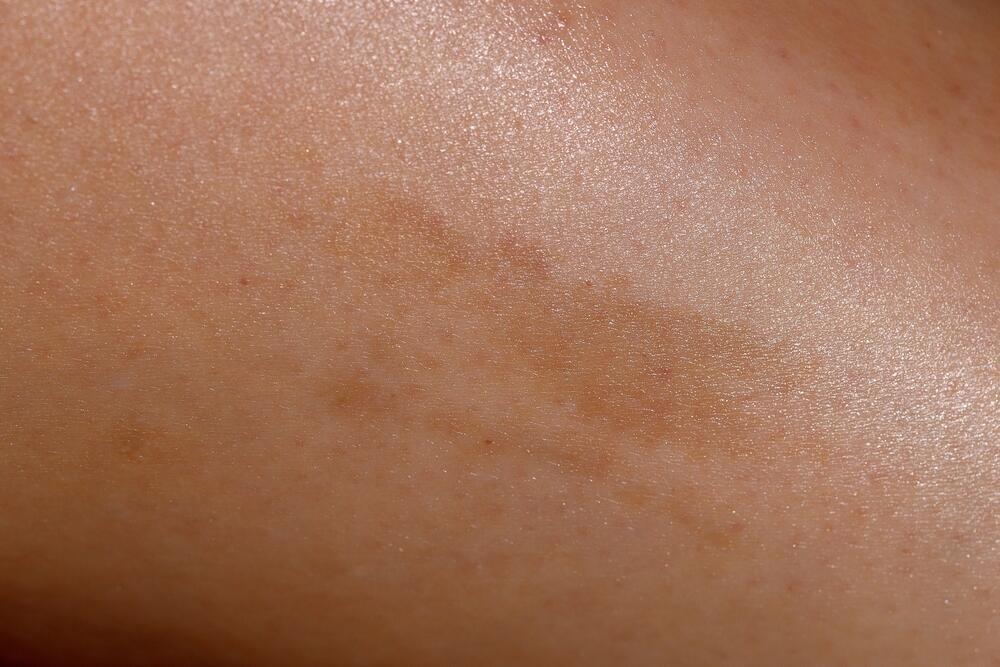
Post-inflammatory pigmentation
(Photo: shutterstock)
The first step in treatment is to calm the inflammation, for example by treating active acne. Then medical topical agents that reduce melanin production are used, sometimes together with gentle laser treatments.
Here patience is especially important. In many cases the spots fade gradually over time while overly aggressive treatment can create new inflammation and actually worsen them.
Can pigmentation be permanently removed?
A moment of medical honesty: pigmentation is a chronic condition that must be managed. Excellent results in achieving an even skin tone are possible, but maintaining them requires ongoing care. It is similar to managing weight or fitness. You cannot exercise for two months and expect to stay in shape while eating without limits. Once protection and maintenance stop, the “remembering” cells will resume producing pigment.
Summer protocol: how to preserve results
To ensure winter treatments are not wasted, a maintenance routine adapted to the Israeli summer is necessary:
Broad-spectrum protection: SPF 50 in the Israeli summer is not enough. Tinted sunscreens containing iron oxides are recommended. These are especially effective in blocking visible light, a major factor in worsening melasma.
Antioxidants: applying a serum with antioxidants such as vitamin C or ferulic acid in the morning under sunscreen neutralizes free radicals and reduces oxidation processes that accelerate pigment production.
Switching active ingredients: in winter, retinoids and high concentrations of hydroquinone are often used. In summer, to avoid skin irritation that can lead to secondary pigmentation, it is better to switch to gentler melanin-suppressing ingredients such as tranexamic acid, azelaic acid, arbutin or niacinamide.
Avoiding heat: it is not only the sun that is responsible. Saunas, cooking near high heat or intense workouts in hot conditions can worsen existing spots due to blood vessel dilation and stimulation of melanocytes.
In summary, pigmentation is an expression of the skin’s remarkable defense system. When understood as a long-distance process combining accurate diagnosis and strict protection, it is possible to achieve and maintain an even, healthy and radiant complexion even under strong sun.
The author is a dermatology specialist and medical director of Maccabi Aesthetics.