


It was supposed to be a routine Pap smear. My regular gynecologist was abroad, so I made an appointment with another doctor near my home. No big deal. But the computer screen apparently gave away my age, and at the end of the examination, the doctor asked about my menstrual cycle.
"It's becoming irregular," I replied. "Or perhaps I should say it became irregular, in the past tense."

"Well, then why aren't you taking hormones?" he asked immediately.
I explained that I wasn't experiencing any symptoms that bothered me. I don't have hot flashes, I sleep reasonably well and, generally speaking, I don't feel menopause is disrupting my life.
"Come on, Ifat," he interrupted. "You said earlier that you're a journalist and as a journalist, you should know that menopause hormones aren't just meant to relieve symptoms. They prevent osteoporosis, heart attacks, dementia, belly fat and wrinkles."
"Well," I replied, "as a journalist, I know that much of what you've just said hasn't actually been proven. And that leading medical organizations around the world specifically advise against giving hormones to women who don't have symptoms solely for preventive purposes."
The gynecologist fell silent, but when I left the clinic, my mind refused to do the same. I thought about all the women walking into his office, or those of other doctors, and hearing the same recommendations. Women who aren't necessarily suffering from severe menopausal symptoms, who haven't asked for treatment and who might actually feel perfectly fine, yet are told they should take hormones. Not just to stop sweating or sleep better, but to prevent a whole range of serious illnesses and, as a bonus, stay slim and beautiful.
After all, if a woman approaching menopause is told that hormone therapy will not only eliminate hot flashes and help her sleep soundly, but also guarantee a healthier life, less abdominal fat and, best of all, fewer wrinkles, why wouldn't she take it?
Lately, menopause hormone therapy seems to be marketed as something much bigger than a treatment for menopausal symptoms. At times, it sounds like the ultimate anti-aging package, a set of miracle pills promising to turn back the clock.
But how many of these promises are actually supported by scientific evidence? Is there really a medical consensus behind them? And are the risks as negligible as some now suggest?
Promises that go beyond the evidence
"I completely agree that hormone therapy is now being marketed almost as a miracle cure for aging," says Prof. Miri Sklair, a radiologist and head of breast imaging at the Meirav Breast Center at Sheba Medical Center. "Women are being promised that they won't develop osteoporosis or dementia, that their hearts will stay healthy and that they'll remain young and beautiful. I find that deeply troubling.
"It's like a pendulum swinging from one extreme to the other. We went from 'No, no, no, don't take hormones' to 'You absolutely must take them, they're good for everything.'
"The risks are being downplayed while women are being promised the world. I see some of these women when they come to me with breast cancer, and it's infuriating. No medical treatment comes with benefits alone."
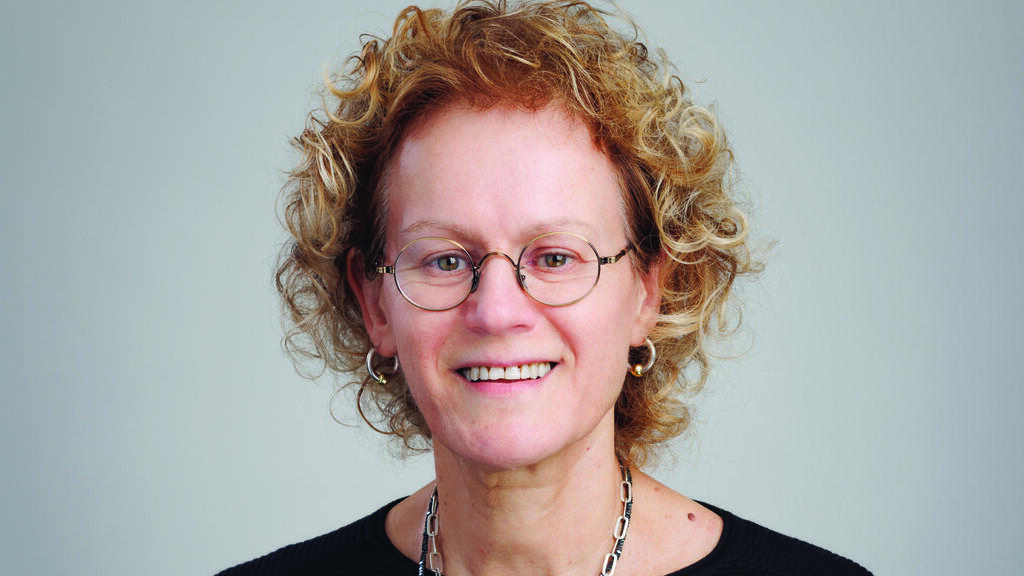
Prof. Miri Sklair. "No medical treatment comes with benefits alone"
(Photo: Sheba Medical Center)
Prof. Rinat Yerushalmi Mishali, a breast cancer specialist and head of the Breast Oncology Unit at the Davidoff Cancer Center at Rabin (Beilinson) Medical Center, describes a similar picture.
"Quite a few women tell me their gynecologist recommended hormone therapy, but they can't really remember why. Some were recommended before they developed symptoms, or even before their periods had stopped completely, during perimenopause.
"Of course, gynecologists want to help their patients. But the question is whether they fully discussed the benefits and risks of treatment and carefully assessed each woman's individual risk factors."
"After all, breast cancer risk isn't determined solely by whether your mother had the disease. There are other factors to consider, including weight, alcohol consumption and even previous breast biopsies that were benign but revealed cellular changes associated with an increased cancer risk.
"I often hear women say the risks weren't explained to them at all, or were mentioned only in passing, almost as an afterthought."
Yerushalmi Mishali points to another problem: gynecologists do not always see what happens to their patients later. "They prescribe hormones because they want to help their patients, and in many cases the treatment really does improve their quality of life. But we, the oncologists, also see the women who are subsequently diagnosed with breast cancer.
"When a woman is diagnosed with breast cancer, the surgeon tells her to stop taking hormones. That's often when she begins to wonder whether the treatment she was prescribed could be linked to her diagnosis.
"Many of these women feel angry and betrayed because they believe they weren't properly informed about the risks. Some never return to the gynecologist who prescribed the hormones, partly because they feel let down and partly because they're now focused entirely on dealing with their cancer and undergoing treatment. As a result, gynecologists don't always see the other side of the story."
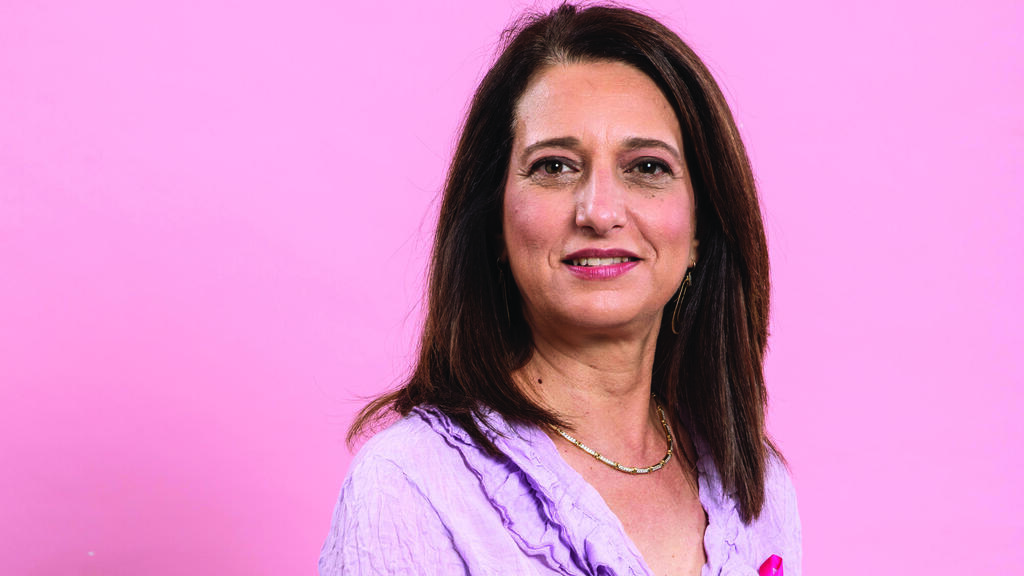
Prof. Rinat Yerushalmi Mishali: "I often hear women say the risks weren't explained to them at all"
(Photo: Ilya Melnikov)
How does that square with the FDA's recent announcement that it would remove the strongest warnings from menopause hormone therapy products? Doesn't that mean newer hormones are safer?
"The removal of the 'boxed warning' means the FDA recognizes that hormone therapy also has benefits," Yerushalmi Mishali says.
"There's no denying that hormone therapy can dramatically improve the lives of women suffering from severe menopausal symptoms. Some women even say they can't imagine living without it. But it's important to understand that the FDA did not conclude that hormone therapy carries no increased risk of breast cancer."
What the landmark studies really showed
Just over two decades ago, hormone therapy occupied the opposite end of the medical spectrum. In 2002, the first findings from the Women's Health Initiative (WHI) studies triggered widespread alarm. The research linked hormone therapy to increased risks of breast cancer, blood clots and heart attacks.
In response, many women stopped taking hormones, and doctors became increasingly reluctant to prescribe them.
Over the years, however, the picture became considerably more complicated. Researchers found that the risks varied depending on the type of hormone therapy, how it was administered, a woman's age and how soon after menopause treatment began. The sweeping fear generated by the initial findings did not fully reflect the available scientific evidence. Hormone formulations have also changed since then.
So where does the problem lie today?
"It's true that over the years, limitations of the WHI studies became apparent, particularly concerning the ages of the women who participated and how applicable the findings were to younger women," explains Prof. Tamar Safra, an oncologist and director of the Women's Cancer Center at Tel Aviv Sourasky Medical Center (Ichilov).
"The studies were conducted using medications that are no longer in use today. Since then, new hormone treatments have been developed at lower doses, and they differ from those examined at the time.
"That's the gynecologists' main argument: you can't directly apply the findings from those earlier studies to the treatments being prescribed today. On the other hand, oncologists argue that, to this day, no randomized controlled trials of comparable scale have demonstrated that the newer treatments do not increase breast cancer risk, or that any increase is negligible."

Prof. Tamar Safra: "The increased risk of breast cancer has been found primarily with treatment combining estrogen and a progestogen"
(Photo: Avigail Uzi)
Prof. Sklair emphasizes that research involving newer hormone preparations has not necessarily produced reassuring results. "In 2024, a large observational study conducted in Norway, involving approximately 1.3 million women, found an increased risk of breast cancer even among women who used newer-generation hormone products.
"Granted, it wasn't a randomized controlled trial like the WHI studies, but it was a large study. The argument that the products have changed and therefore the risk is no longer relevant simply isn't correct."
So how much does breast cancer risk increase with treatments combining estrogen and progesterone?
"The risk varies depending on the formulation, but with a treatment containing estrogen and progesterone, the risk increases by about 20%, and it continues to rise the longer the treatment is used," Prof. Sklair says.
Yerushalmi-Mishali adds that newer hormone formulations more closely resemble the hormones naturally produced by the body, raising hopes that they may be safer. "But we'll only know that in several years, when enough long-term follow-up data are available. Above all, it's important to understand that even our own natural hormones aren't risk-free.
"We know, for example, that the longer the period between a woman's first and last menstrual periods, the greater her risk of breast cancer. A woman who reaches menopause at 57, for instance, has an increased risk because of her prolonged exposure to the hormones her body produces naturally.
"So the fact that newer preparations are more similar to natural hormones certainly doesn't guarantee that they're risk-free."
Some women might argue that the risk from taking hormones still isn't particularly high. After all, even the package insert for a common painkiller lists numerous potential side effects.
"It's a matter of weighing the benefits against the risks," Prof. Safra says. "Hormone therapy can greatly improve quality of life for many women, relieving menopausal symptoms such as hot flashes, mood changes and changes in sex drive, while also helping preserve bone density.
"At the same time, it may slightly increase the risk of breast cancer and stroke, and its benefits for heart health have not been proven.
"We have to remember that breast cancer is a serious disease. It can be extremely difficult to cope with, and some women never recover. Even if the increased risk is small, women need to understand it and factor it into their decision before starting hormone therapy. And breast cancer isn't the only risk they need to consider."
So there's also a risk of blood clots and stroke?
"The absolute risk is low," Safra explains.
"I remember attending a conference abroad in 2012 where one of the researchers presented updated, more encouraging findings from the WHI studies. According to those findings, the balance between benefits and risks may be more favorable for women under 60 or those who begin treatment within 10 years of menopause.
"After the lecture, I went up to her and asked, 'Tell me, after everything you've presented here, do you take hormones yourself?'
"She replied, 'Absolutely not.'
"When I asked why, she said, 'Because they increase the risk of stroke by about 30%.'
"It's important to understand that this is a relative increase in risk, not a 30% chance of having a stroke. Among relatively young women, whose underlying stroke risk is very low, this translates into a very small additional number of cases.
"But that risk still exists, and it's another consideration when deciding whether to take hormones."
How hormones affect breast tissue
According to Prof. Sklair, understanding why hormone therapy may increase breast cancer risk begins with understanding how hormones act on breast tissue.
"Hormones encourage cells to multiply. You can think of them as something that promotes growth," she explains. "The more cells divide and multiply, the greater the possibility of an error occurring during cell division, meaning a mutation that could lead to the development of a tumor.
"We can also see this hormonal effect in imaging tests. In a contrast-enhanced breast MRI, women taking hormones sometimes show very active breast tissue, resembling the activity we see in younger women whose breasts are under significant hormonal influence.
"But when a woman is no longer menstruating, there's no reason for us to want to stimulate that activity in the breast again."
Hormones can also make breast tissue denser.
"That's right. And the denser the breast tissue, the harder it can be to identify suspicious tumors on a mammogram. Sometimes we look at the image and everything appears white, making abnormalities very difficult to distinguish.
"But that's not the only issue. Studies show that women with very dense breast tissue have a higher risk of developing breast cancer. It's all connected to that increased activity.
"Women who begin taking hormones sometimes report that their breasts have become sensitive again, just as they were when they were 20. That's another example of how hormones reactivate processes in breast tissue."
There are different types of hormone therapy today, as well as different ways to administer it, including pills and patches. Do the risks differ?
"The increased risk of breast cancer has been found primarily with treatment combining estrogen and a progestogen, compared with estrogen-only therapy," Prof. Safra explains.
"However, estrogen-only therapy is generally suitable for women who have undergone a hysterectomy. Women who still have a uterus also need a progestogen because estrogen alone can increase the risk of endometrial cancer."
Prof. Sklair says the distinction between pills and patches also needs to be understood carefully. "Patches are indeed considered safer when it comes to the risk of blood clots, but that doesn't mean they eliminate the risk of breast cancer. Hormones are absorbed into the body and reach breast tissue through patches as well."
The benefits versus the risks
But let's return to the central question. The risks of hormone therapy are real, even if they are relatively small in absolute terms. Yet the promised benefits sound almost too good to pass up.
Beyond relieving menopausal symptoms, hormone therapy is now being promoted as a way to prevent osteoporosis, heart disease and dementia, while also helping women stay slim and maintain youthful-looking skin.
If hormones really could deliver all these benefits, perhaps the risks would be worth taking. But that brings us to the most important question: How many of these claims are actually supported by scientific evidence?
"We know that hormone therapy can significantly relieve menopausal symptoms, and there's also evidence that it helps maintain bone density," Prof. Safra says. "But there's still no conclusive evidence that it prevents heart disease or dementia. That's why we can't recommend hormone therapy to women who have no significant symptoms simply in the hope of protecting them against diseases later in life."
Prof. Sklair is even more emphatic. "Hormone therapy indeed helps preserve bone density, but there's a big difference between that and recommending hormones to prevent osteoporosis. If a woman has bone loss, that condition needs to be treated. There are medications specifically designed for it. Why give her hormone therapy that could expose her to additional risks?"
And what about heart disease and dementia?
"To date, hormone therapy has not been proven to prevent heart disease or dementia," Prof. Sklair says. "Certainly, no large studies have followed women who began taking the newer hormone formulations at age 50 all the way to age 80 to see whether they developed dementia.
"Current medical guidelines explicitly do not recommend starting hormone therapy solely to prevent these diseases."
But surely hormone therapy can at least help us maintain youthful-looking skin and a flat stomach?
"I think much of that comes down to lifestyle, regardless of whether a woman takes hormones. Some women say hormone therapy has helped them, while others notice no difference at all. I've also seen women who were convinced hormones would help them lose weight, only to find that the opposite happened."
For some medical professionals, the current enthusiasm for hormone therapy is reminiscent of the years leading up to the publication of the WHI findings in 2002. Back then, too, the prevailing message was that every woman should be taking hormones. Some doctors, particularly male physicians, even made women who refused feel ignorant or backward, asking, "What kind of modern woman doesn't take hormones?"
Prof. Sklair fears history could repeat itself. "Once again, hormone therapy is being promoted as a miracle cure, and I'm worried that in a few years we may discover additional risks. I'm not saying that will necessarily happen, but we need to be cautious and avoid repeating the mistakes of the past."
None of this means, of course, that women suffering from severe menopausal symptoms should avoid hormone therapy. "From an oncology perspective, we don't like recommending hormones to women who don't have significant symptoms because of the potential increase in breast cancer risk," Prof. Safra says.
"But quality of life is extremely important, too. Ultimately, it's always a question of benefits versus risks. There's an enormous difference between a woman who has an occasional hot flash and one who wakes up 12 times a night, drenched in sweat and needing to change her pajamas.
"You can't expect a woman to suffer in the present solely because of a risk that may or may not materialize in the future. If her symptoms are severely affecting her quality of life, hormone therapy should certainly be considered, taking into account her age, health and individual risk factors."
Prof. Yerushalmi-Mishali notes that other approaches can also help relieve some menopausal symptoms, including nonhormonal treatments, exercise, improved sleep habits and stress management.
"In any case, the decision should be made after a careful assessment of personal risk factors and a thorough weighing of the benefits against the risks.
"I don't want to be a killjoy. If a woman has considered the alternatives and feels this is the right solution for her, then she should take it. But I also want to mention something I see in my work as an oncologist. When a woman is diagnosed with breast cancer while taking hormones, she's told to stop treatment.
"Often, some time passes before she completes her tests and reaches us in oncology. During that period, when she's no longer taking hormones, I sometimes see improvements in objective measures related to the tumor."
Prof. Sklair emphasizes the importance of timing and follow-up. "Even when hormone therapy is justified, it's important that it be given within the appropriate window of opportunity, meaning at the right age and close to menopause, for a limited period and with ongoing monitoring.
"The longer treatment continues, the greater the risk of breast cancer. I meet women who are still taking hormones after 20 or 30 years, women aged 70 or 75, and sometimes it turns out that nobody is even monitoring them. I find that appalling."
What would you say to a woman who has no significant symptoms but is considering hormone therapy anyway?
"If a woman feels healthy and isn't experiencing significant symptoms, I see no reason for her to take a treatment that carries risks.
"Menopause is not an illness. It's a natural biological process, not a condition that needs to be corrected by introducing hormones into the body.
"I simply don't understand why we should convince women they need treatment. Why scare them into believing that if they don't take hormones, they'll age prematurely or develop all sorts of terrible diseases?
"If a woman doesn't have significant symptoms, my advice is simple: don't take hormones."
Can hormones really prevent osteoporosis?
One of the most prominent claims now associated with hormone therapy is that it can prevent osteoporosis, a condition that weakens bones and increases the risk of fractures. Unlike some of the other promises, this one has a solid scientific foundation. Studies have shown that hormone therapy helps preserve bone density and reduces fracture risk.
But is that enough to recommend it to every woman going through menopause?
According to Dr. Gloria Tsvetov, a senior physician at the Endocrinology Institute at Rabin (Beilinson) Medical Center, estrogen plays a crucial role in maintaining bone mass. "Estrogen levels begin to decline gradually in the years leading up to menopause, and the decline becomes sharper during menopause itself," she explains.
"As a result, bone loss accelerates, and women can lose around 2% to 5% of their bone mass annually during these years. But this accelerated decline doesn't continue forever. Usually, after about five years, the rate of bone loss slows down.
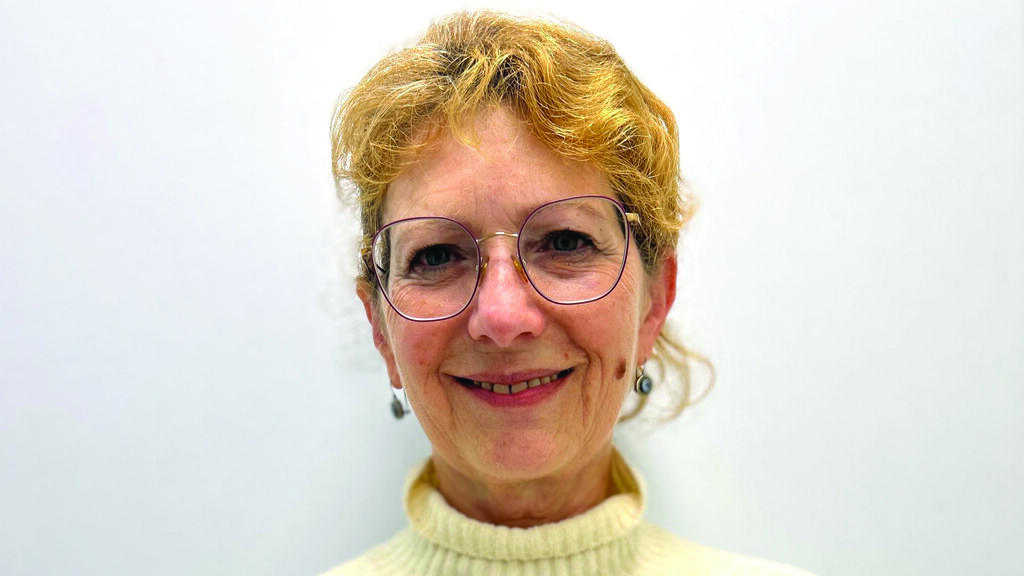
Dr. Gloria Tsvetov: "This accelerated decline doesn't continue forever"
(Photo: Courtesy)
"Another important point is that our bones reach their peak mass at around age 30. A woman who enters menopause with good bone mass may go through this period of decline without developing osteoporosis. By contrast, a woman whose bone mass was already low faces a greater risk. The real danger of osteoporosis isn't the decline in bone density itself, but the fractures that can result from it."
So should women take hormones to prevent osteoporosis? And what about women who have already been diagnosed with low bone density?
"Hormone therapy can indeed prevent bone loss, but if the sole purpose is to prevent osteoporosis in the future, the Endocrine Society doesn't recommend starting hormones just for that reason," Dr. Tsvetov says.
"If a woman is already taking hormones to relieve menopausal symptoms, preserving bone density is certainly an additional benefit. But if she's already been diagnosed with osteoporosis, we have medications specifically designed to treat that condition, and they're much more effective for that purpose."
What can women who don't take hormones do to protect their bones?
"First of all, make sure your diet contains enough calcium. The recommendation is to consume around 1,000 to 1,200 milligrams of calcium a day, preferably from food rather than supplements whenever possible.
"It's also important to get enough protein because during menopause, women lose not only bone mass but also muscle mass.
"Alongside nutrition, physical activity is extremely important, particularly resistance training such as weightlifting and squats, which help maintain muscle and bone mass.
"It's also important to check for vitamin D deficiency and address it if needed, since vitamin D plays a vital role in helping the body absorb calcium."
Hormones and heart disease: What does the evidence show?
Dr. Yoni Grossman, a senior specialist in the Interventional Cardiology Unit at Sheba Medical Center, says the theory that menopause hormone therapy might protect the heart is rooted in a well-established difference between men and women.
"On average, women tend to experience cardiovascular events about 10 years later than men," Dr. Grossman explains. "The leading theory is that this is partly due to the protective effect of the female sex hormones naturally produced by the body. After menopause, when hormone levels decline, the risk of cardiovascular events increases.
"This led researchers to believe that replacing those hormones might help maintain that protection. But what makes sense biologically doesn't necessarily translate into proven medical benefits.
"Numerous studies have examined this complex issue, but the findings remain inconclusive. There is still no clear evidence that hormone therapy prevents heart attacks or other cardiovascular events, and it is not recommended for that purpose.
"For women who don't suffer from significant menopausal symptoms, there is therefore no medical recommendation to prescribe hormone therapy solely to prevent heart disease."
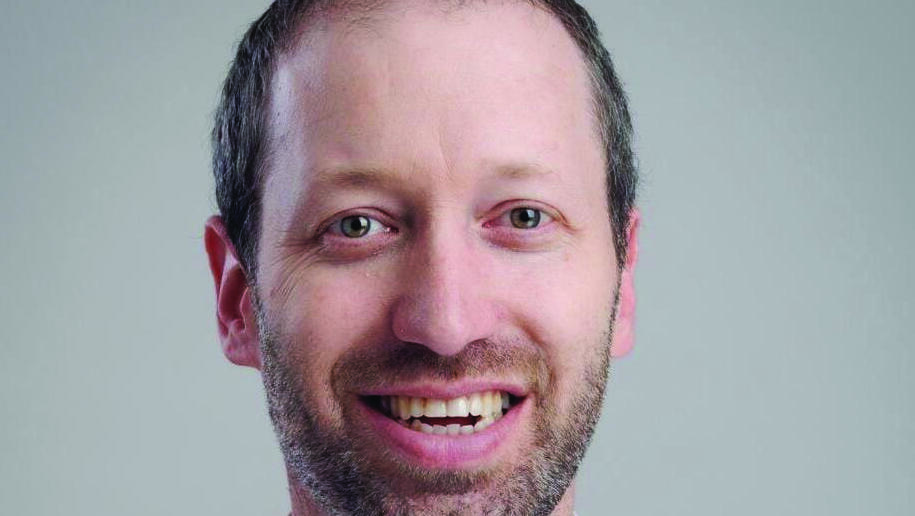
Dr. Yoni Grossman. "Before starting treatment, it's advisable to assess other cardiovascular risk factors"
(Photo: Sheba Medical Center)
Dr. Grossman emphasizes that the research has produced mixed findings. "While some studies have demonstrated a protective effect on the heart, others have shown that taking hormones increases the risk of stroke and blood clots in the veins.
"The risk of blood clots depends largely on how hormone therapy is administered. Estrogen delivered through the skin, such as with patches, bypasses the liver's initial processing and is associated with a lower risk of blood clots than oral estrogen.
"Under certain circumstances, hormone therapy may also increase the risk of heart attacks and other cardiovascular events, particularly when treatment begins later in life or many years after menopause. The risk also varies depending on the dose."
Relieving menopausal symptoms, however, is a different matter. "Hormone therapy can be an effective option for women suffering from menopausal symptoms, but the decision must be based on each woman's individual risks and the benefits she stands to gain," Dr. Grossman says.
"Before starting treatment, it's important to assess her cardiovascular risk factors, including smoking, high blood pressure, diabetes, high cholesterol, obesity and family history. The decision should then be made on a case-by-case basis, taking into account her overall health and personal risk profile."