

War does not only harm personal security or disrupt daily routine — it also places a heavy burden on the body. During periods of ongoing threat, sirens and uncertainty, public anxiety and stress levels rise significantly. Medically, acute stress is known to be closely linked to an increased risk of cardiac events, including heart attacks and 'broken heart' syndrome.
Data collected in Israel following the October 7 attacks and the outbreak of the Iron Swords war illustrate this clearly. In the first months of the war, hospitals across the country recorded an approximately 100% increase in cases of 'broken heart' syndrome compared with the same period the previous year, along with a roughly 30% rise in heart attacks. These unusual figures point to the powerful effect of acute stress on the heart — particularly 'broken heart' syndrome, a medical condition typically triggered by severe emotional stress and characterized by symptoms that resemble a heart attack.
Gallery

Acute stress is closely linked to an increased risk of cardiac events, including heart attacks and 'broken heart' syndrome
(Photo: Shutterstock)
Another phenomenon observed, particularly at the start of Operation Rising Lion, has been the avoidance or delay of seeking hospital care, even when symptoms suggest a cardiac event. While fear of going to the hospital during missile attacks and a complex security situation is entirely understandable, such delays can have serious medical consequences. In previous conflicts, patients arrived at hospitals days or even weeks after the fighting began, having postponed treatment and sometimes already suffering from more advanced and severe heart disease — a situation that significantly reduces the chances of recovery.
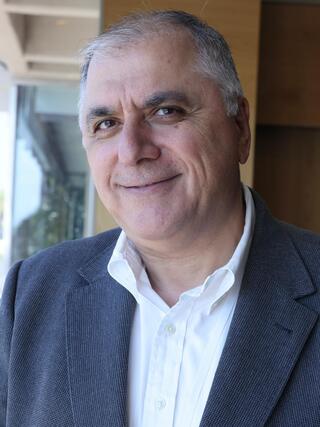 Prof. Zaza IakobishviliPhoto: Shmulik Shalish, Photome
In this context, it is important to emphasize that even now, as Israel faces complex security challenges, the entire health system — and cardiology in particular — is prepared to continue providing continuous, high-quality and life-saving care even during wartime. This is not only a professional obligation of medical teams, but also a national commitment to safeguard public health. Hospitals and health systems are operating with extensive professional preparedness and advanced protective infrastructure to ensure that medical treatment continues without compromise, even in these challenging periods.
Prepared to treat the most severe cases
One of the central challenges during wartime is ensuring uninterrupted care for the most critically ill cardiac patients, including those suffering from myocardial infarction, advanced heart failure or life-threatening arrhythmias. In recent years, Israel’s health system has undertaken extensive preparations precisely for such scenarios. Under the direction of the Health Ministry, significant resources have been invested in establishing protected catheterization laboratories that allow urgent procedures to continue even during sirens or rocket fire.
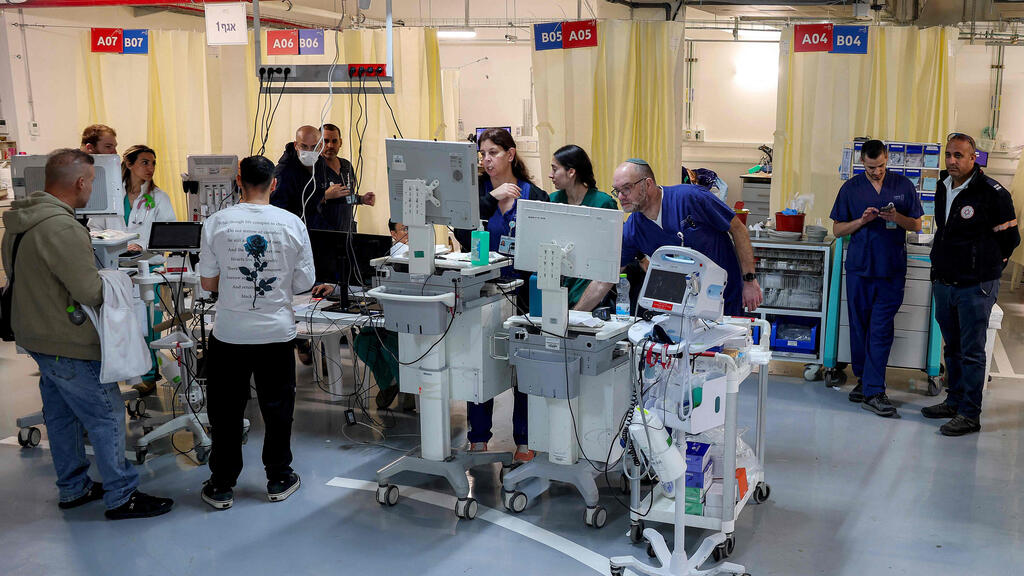
Patients transferred to a protected underground facility at Sheba Medical Center at Tel Hashomer during Operation Roaring Lion
(Photo: Jack GUEZ / AFP)
Many hospitals, both in central Israel and in the periphery, have built underground facilities or protected complexes that allow medical activity to continue even under security threats.
At the same time, the Israel Heart Society is working with all the country’s health maintenance organizations to train medical teams to handle such emergencies. Clalit Health Services, for example, rapidly expanded its home hospitalization system in the first hours of the fighting to ensure that even complex patients continue receiving treatment — whether urgent medical interventions or advanced drug therapy at home. So far, according to Health Ministry data, 498 home hospitalizations have been carried out through the various HMOs.
 Prof. Eli LevPhoto: Liron Moldovan
Experience accumulated in Israel in recent years shows that even during military operations, a high level of cardiac care can be maintained. Early preparedness, combined with close cooperation between hospitals, health funds and the Health Ministry, enables continued professional and life-saving treatment even under complex conditions.
A life-saving bridge
During wartime, hospitals are sometimes required to adapt their operations to the security reality and may discharge patients earlier in order to free beds for the wounded. In such situations, continuity of care between hospitals and the community becomes critical. The Health Ministry, together with the health funds, has developed protocols to ensure a smooth transition for patients continuing treatment outside the hospital.
For example, patients discharged from the hospital receive immediate medical follow-up in the community through home visits, telemedicine services and community cardiology clinics. A patient who undergoes catheterization and is discharged early will continue receiving necessary medications through their health fund, along with regular follow-up tests and adjustments to a cardiac rehabilitation plan. At the same time, the cardiology association is promoting training and guidance for community medical teams so they can meet the expected increase in demand for services.
This system is not merely theoretical preparedness — it has already proven effective in the past, enabling patients to continue receiving safe treatment and follow-up even when the health system is operating under significant pressure.
Prevention and ongoing care
Cardiology does not deal only with emergencies. Alongside treatment of acute events, prevention and routine medical follow-up are also critically important. Even during periods of security tension, hospitals and community health systems are prepared to continue providing these services. Community cardiology clinics operate in protected facilities or through digital services, allowing routine examinations, medication adjustments and guidance for preventing heart disease.
In coordination with the Health Ministry, Israel’s health funds have expanded the use of telemedicine platforms in recent years, enabling remote medical consultations even during periods of conflict. This allows essential medical monitoring to continue even when physically reaching a clinic becomes more difficult. Israel is considered a leader in medical innovation, and this preparedness relies on a combination of advanced technology and extensive professional experience. However, the success of the system also depends on public cooperation and the continued willingness to seek treatment and medical follow-up when needed.

Patients can consult a doctor through the health funds’ apps and online services
(Photo: Shutterstock)
Practical tips
To help protect your heart health during this challenging period, here are several simple and important recommendations:
Continue taking your medications: Do not stop cardiac medications without medical advice. It is recommended to keep at least a two-week supply at home and contact your health fund if an early refill is needed.
Pay attention to symptoms: Chest pain, shortness of breath, dizziness or unusual weakness may indicate a cardiac event. In such cases, seek immediate medical care at an emergency department or clinic. Medical teams are prepared and trained to provide treatment even during wartime, and facilities designated for urgent cardiac care are protected. Delaying treatment may worsen the condition and increase risk.
Maintain a healthy routine whenever possible: Try to continue light physical activity at home, maintain a balanced diet and avoid smoking.
Monitor important health indicators: Health fund apps can be used to track blood pressure, weight and other indicators, helping maintain ongoing contact with your medical team.
Use digital services: When it is difficult to reach a clinic, consult with a physician through the health funds’ online services and apps — an efficient and safe solution during periods of security tension.
Plan ahead: Speak with your family physician about a personal emergency plan that includes clear instructions and contact details in case of deterioration or the need for evacuation.
This is a challenging period for all of us, and psychological stress can indeed increase the risk of cardiac events. However, it is important to remember that symptoms suggesting a heart attack require immediate medical attention — action that can save lives. Israel’s cardiology system is working closely with the Health Ministry and the health funds to ensure continuous, professional care even during wartime. Even in these difficult days, your health remains the top priority.
The authors are Prof. Eli Lev, director of the cardiology division at Assuta Ashdod Medical Center and president of the Israel Heart Society, and Prof. Zaza Iakobishvili, director of cardiology for the Tel Aviv-Jaffa district at Clalit Health Services.