

Merck and Moderna said Wednesday that a personalized mRNA cancer vaccine combined with the immunotherapy drug Keytruda reduced the recurrence and spread of melanoma compared with Keytruda alone, delivering the first positive late-stage trial results for an mRNA cancer vaccine.
Moderna shares jumped 40% in premarket trading following the announcement, while Merck gained 2%.
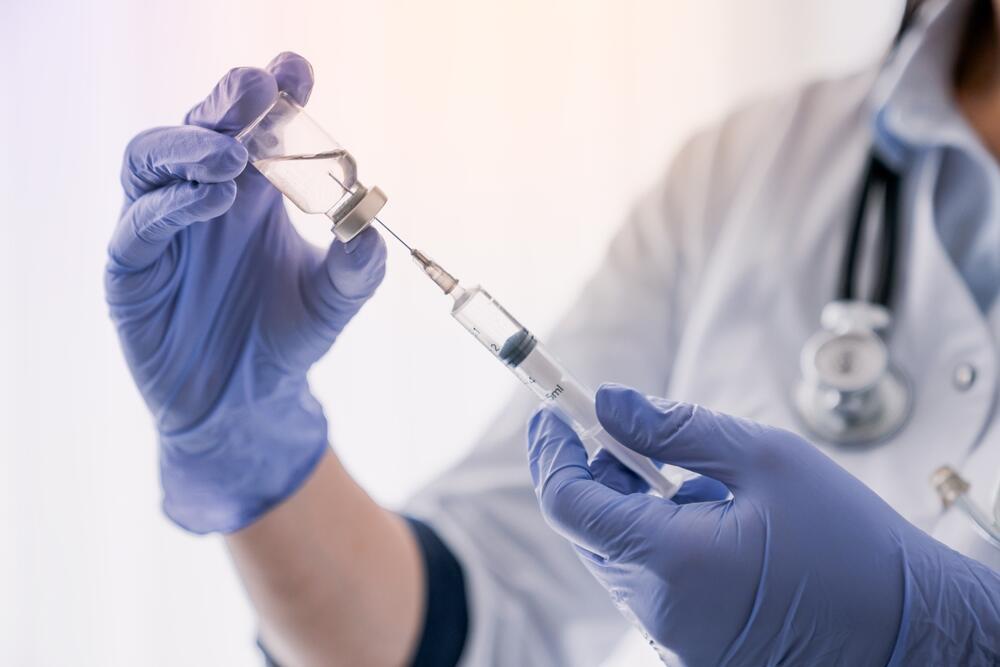
(Photo: shutterstock)
The Phase III trial is still ongoing, but interim results showed that the treatment, known as Intismeran, met both its primary goal of reducing cancer recurrence and its secondary goal of preventing the disease from spreading to other parts of the body.
The treatment combines Merck’s Keytruda with a personalized mRNA vaccine developed by Moderna. Each vaccine is produced specifically for an individual patient based on an analysis of mutations found in that person’s tumor.
The study enrolled 1,137 patients with high-risk stage IIB through IV melanoma whose tumors had been surgically removed. Participants were randomly assigned to receive either Keytruda plus up to nine doses of the personalized vaccine or Keytruda alone for about a year.
The companies said no new safety concerns had emerged.
The latest findings build on earlier results from a mid-stage trial. In January, Merck and Moderna reported that after five years, the combination reduced the risk of melanoma recurrence or death by 49% compared with Keytruda alone.
The companies said they plan to present the new data at an upcoming medical conference and share the results with regulators.
Melanoma is the deadliest form of skin cancer. According to the U.S. National Cancer Institute, more than 1.5 million people in the United States were living with melanoma in 2023.