

Shares of TopGum Industries Ltd., which makes dietary supplements in gummy form, surged Tuesday by approximately 15% and have risen about 31% since the beginning of the week. The rally follows the company’s announcement of a strategic agreement to supply supplements worth at least $25 million through the end of 2026 to a customer described as one of the fastest-growing brand companies in the U.S. dietary supplement sector.
Before signing the current agreement, the customer had already purchased products worth around $16 million from TopGum, separate from the new commitment. The deal includes an option for automatic renewal, extending the partnership by one year at a time.
The company’s recent momentum was fueled by its third-quarter earnings report, released Sunday, which marked its best performance to date. Sales reached $29.5 million, up 98% compared to the same quarter last year. Revenue from dietary supplements alone jumped 163%. Net profit came to $2 million, quadrupling from a year earlier. The company’s order backlog stood at $46 million, up from $18 million in the same quarter last year.
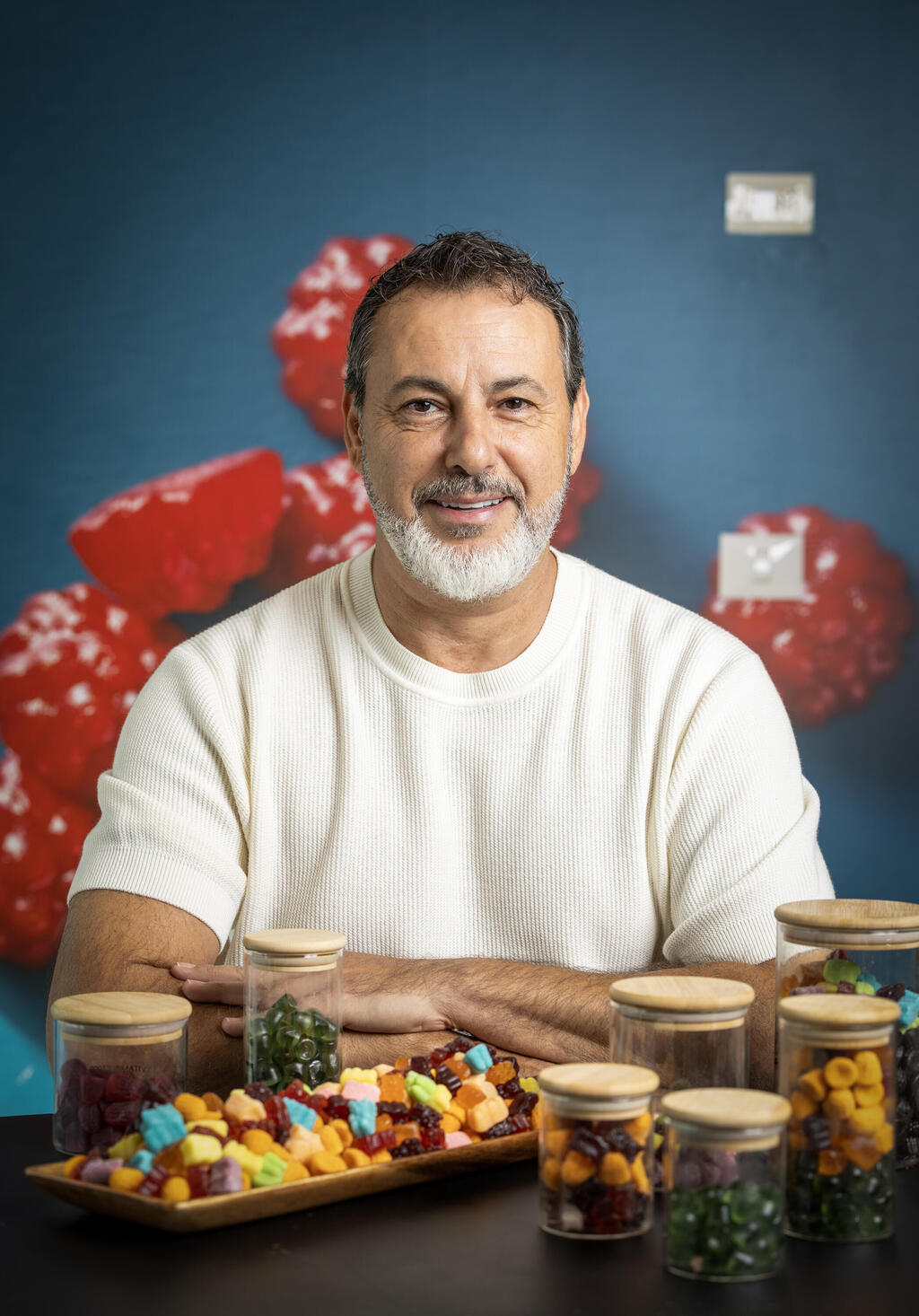
TopGum, which began as a gummy candy maker in the southern town of Sderot, was founded by entrepreneur Hai Hayoun and is now classified as a growth company. The latest deal strengthens its position as a global player in the niche of gummy-based supplements, a market still in its early stages but with significant potential.
The company also reported that it is in advanced talks with several other supplement firms, including potential strategic clients. Some of those discussions have already resulted in new supply agreements, and TopGum expects additional deals to follow soon.
TopGum CEO Eyal Shohat said, “This agreement is another milestone in our accelerated growth trajectory and reinforces our standing as a preferred partner for leading North American customers."
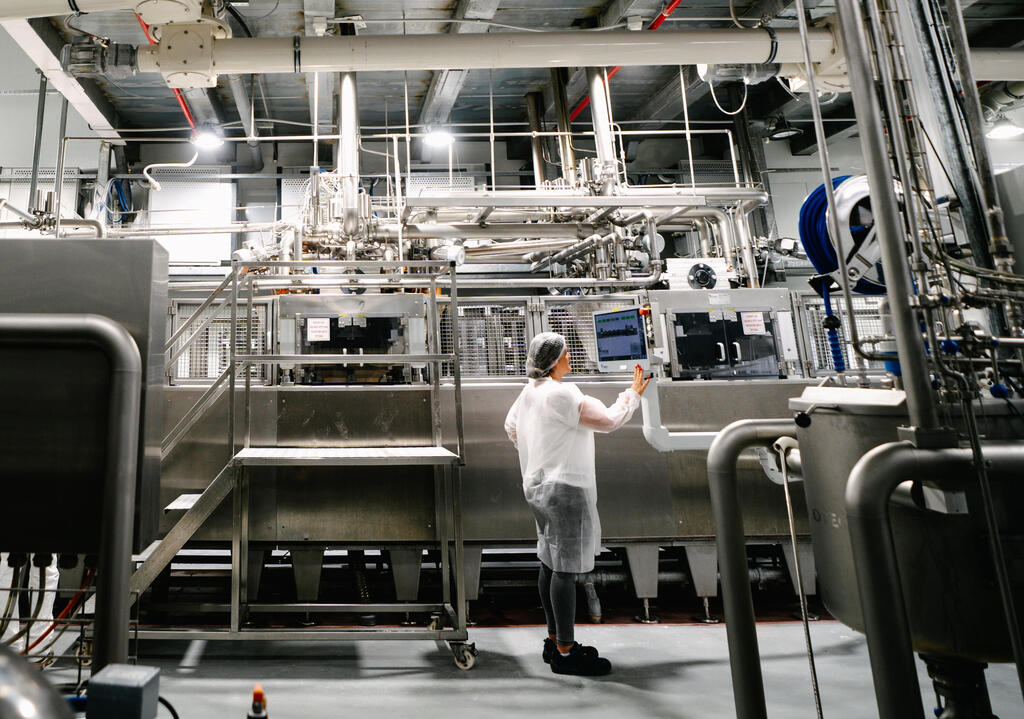
TopGum factory
(Photo: Ananim)
Kosher gummy pioneer
Following the stock’s surge on the Tel Aviv exchange, TopGum, which opened a new factory in Sderot several weeks ago, is now valued at more than 1.5 billion shekels. Among the company’s prominent investors today, aside from Hayoun, are AP Partners fund and Roi Lusternik.
Hayoun, who now owns 10% of the company, began his journey far from corporate boardrooms. A child from Dimona who once sold prickly pears on the street, a teen coping with a paralyzed father and a family falling apart, and a young man juggling odd jobs, his breakthrough came from a small mini-market he opened in Ashdod. When he realized the gummy candies he wanted to sell were not kosher, he turned that obstacle into an opportunity.
“Next to the minimarket, we opened a shop called ‘Pick and Mix,’ selling snacks, candy and dried fruit by weight,” Hayoun recalled in a recent interview with Ynet Global's outlet sister Yedioth Ahronoth. “I asked wholesalers to supply gummy candy, but they told me it wasn’t kosher because the gelatin came from pigs.
“Only one manufacturer in the world had developed gelatin from an alternative source, but the raw material was so expensive that it made the price of the candy four times higher than regular gelatin-based gummies.”
That’s when Hayoun saw a business opening. “It hit me that if there are no kosher gummy candies, we’re essentially excluding most of the country, especially in Ashdod where many people keep kosher. I started looking into how I could produce kosher gummies that every child could enjoy.” The rest is history.