

You’ve dimmed the lights, scrolled through your feed one last time and tucked yourself into bed, but sleep still feels far away. If this sounds familiar, your dinner plate might be part of the problem. While we often focus on screen time, stress, or caffeine when talking about sleep quality, the foods we eat in the evening can quietly play a much bigger role.
Here are six foods that may be interfering with your ability to fall—and stay—asleep.
1. Fried and fatty foods: Hard on digestion, harsh on sleep
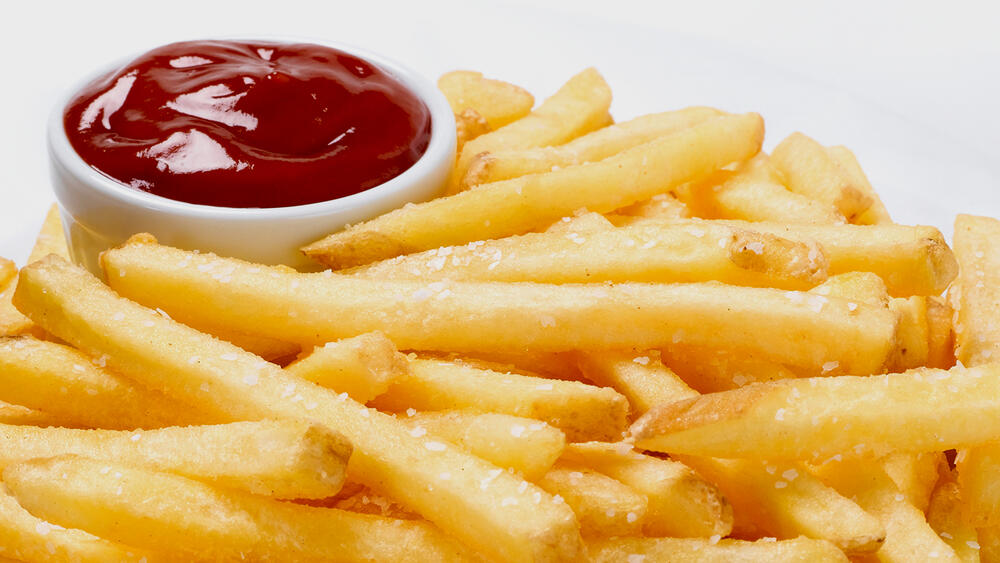
That late-night schnitzel, slice of pizza, or handful of fries might feel comforting, but your digestive system begs to differ. Heavy, oily foods are slower to digest, which can lead to heartburn or acid reflux when you lie down. In some cases, this discomfort can even worsen snoring, making it harder to breathe freely and sleep soundly.
2. Processed meats: A recipe for restless nights
Cold cuts like salami, pastrami, and sausages are loaded with sodium and preservatives that may cause fluid retention and swelling in the airways, especially in people with sensitivities. This congestion can contribute to loud snoring and fragmented sleep.

(Photo: Shutterstock)
3. Tomatoes at night: Acidic and sleep-disrupting
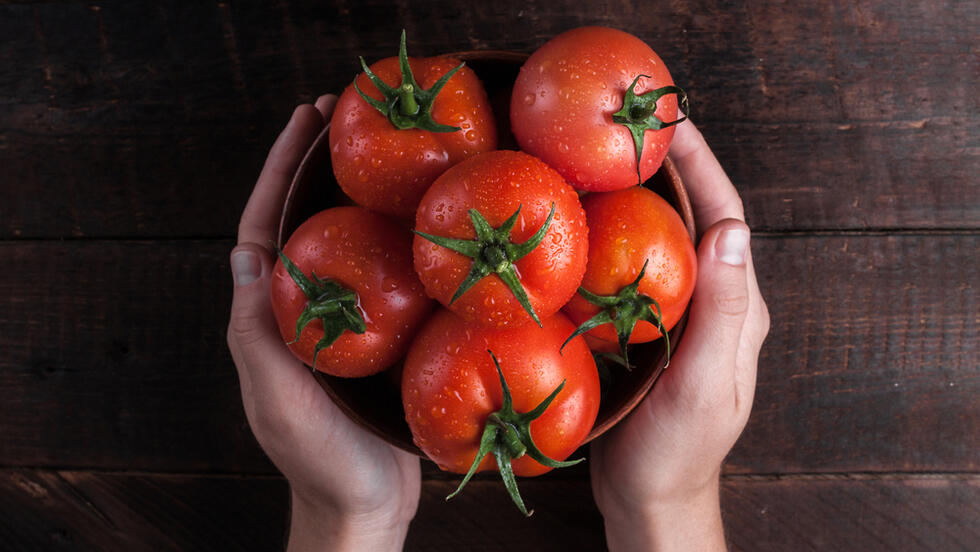
Tomatoes are packed with nutrients, but their natural acidity can trigger reflux and discomfort when eaten late in the day. Whether in pasta sauce or as a salad topping, tomato-based dishes may be better suited to lunchtime if you’re prone to digestive issues at night.
(Photo: Shutterstock)
4. Alcohol: Feels relaxing, but disrupts deep sleep
A glass of wine might help you unwind, but alcohol is known to interfere with the body’s natural sleep cycle. It relaxes the muscles in your throat and tongue, increasing the chance of snoring and light sleep. It also leads to dehydration and frequent wake-ups during the night, so that drowsy buzz may come at the cost of a restful slumber.

(Photo: Shutterstock)
5. Spicy and heavily seasoned foods: Fiery dreams and frequent awakenings
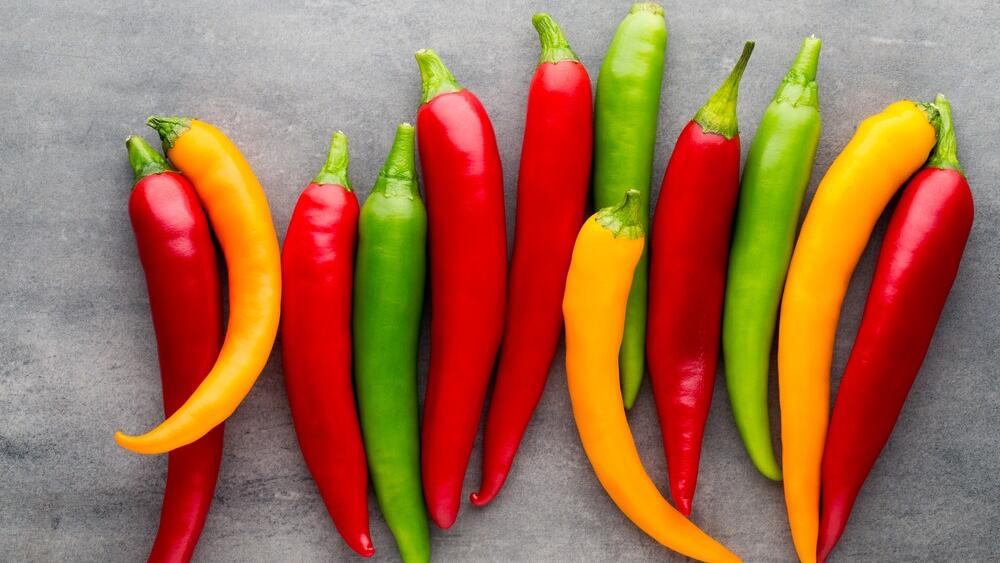
Chili peppers, garlic, onions, and bold spice blends can stimulate your system just when it should be winding down. Spicy meals can raise your core body temperature and irritate the stomach, especially if they’re also rich in sodium or saturated fats. The result? Heartburn, restlessness, and nighttime awakenings.
(Photo: Shutterstock)
6. Sugary snacks: A sweet start, but an early wake-up
That cookie or bowl of sweet cereal may hit the spot, but it could also spike your blood sugar, only to crash a few hours later. This drop can jolt you awake or leave you feeling hungry in the middle of the night. Interestingly, studies suggest that sugary treats and dairy products may even increase the likelihood of vivid or unpleasant dreams, especially in those who are lactose intolerant.
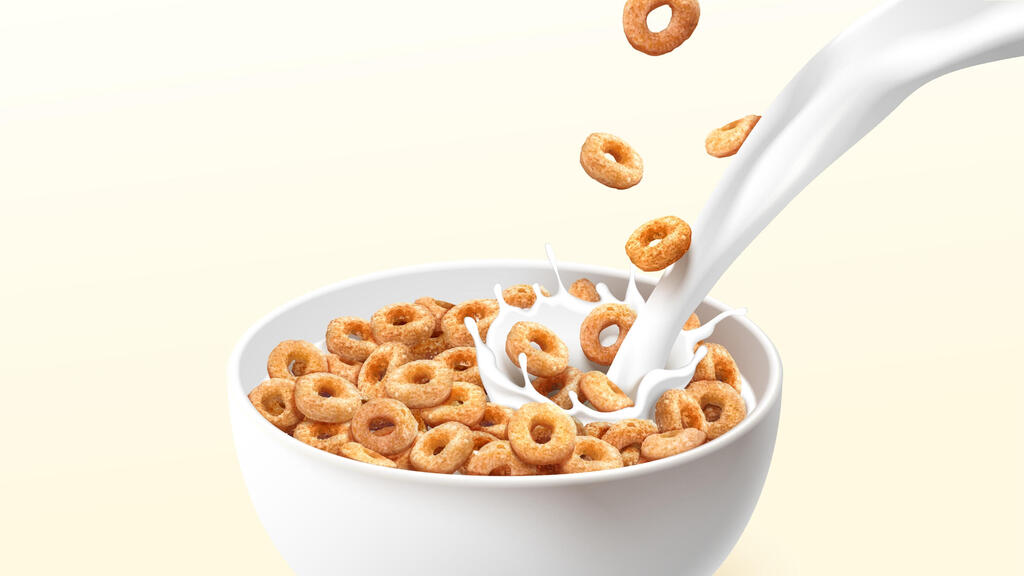
Sweet cereal
(Photo: shutterstock)
Get the Ynetnews app on your smartphone: Google Play: https://bit.ly/4eJ37pE | Apple App Store: https://bit.ly/3ZL7iNv
The bottom line: your evening meal sets the tone for your night
For a more peaceful sleep, try shifting your dinner toward foods that are light, warm, easy to digest, and gently seasoned. A nourishing bowl of soup, a simple stir-fry with steamed vegetables, or a serving of oatmeal with a splash of almond milk can be just the comfort your body needs to relax.
Sometimes, the path to better sleep doesn’t begin in the bedroom—but at the dinner table.