

Teva Pharmaceutical Industries said Tuesday it plans to advance its experimental vitiligo treatment TEV-408 into a Phase 2b study in the fourth quarter of 2026, following encouraging results from an ongoing early-stage trial.
The treatment, discovered by Teva, is an investigational monoclonal antibody designed to inhibit interleukin-15, or IL-15, a cytokine involved in immune-mediated pathways. The company said IL-15 is a key driver of vitiligo biology, and that blocking its activity may help reduce the immune attack on melanocytes, the pigment-producing cells whose destruction causes the white skin patches associated with the disease.
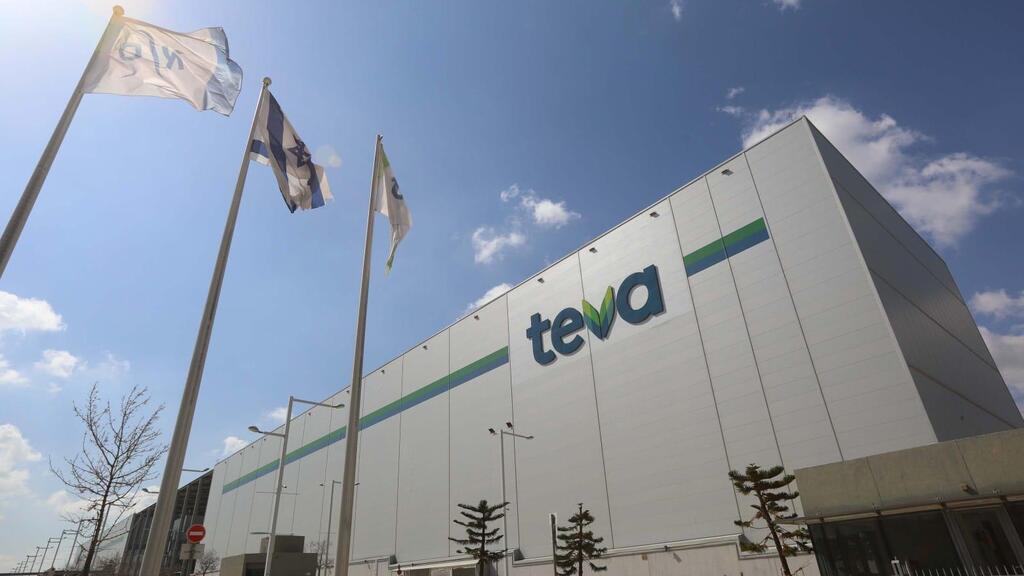
Teva office building
(Photo: Sivan Faraj)
Teva said TEV-408 is being developed as a subcutaneous treatment designed for convenient once-quarterly dosing.
The decision to move ahead follows results from an ongoing open-label Phase 1b study in adults with active or stable non-segmental vitiligo. According to the company, TEV-408 showed improvement in skin pigmentation and was well tolerated, with no safety signals observed to date.
At baseline, 66% of enrolled participants had vitiligo affecting more than 10% of body surface area, a group Teva described as having limited treatment options. At week 24, among evaluable participants, nearly 75% reported improvement in facial vitiligo, with about half reporting that their condition was “much” or “very much” improved. The company also said 42% achieved F-VASI50 and 21% achieved F-VASI75, while 55% reported improvement in total body vitiligo and 7% achieved T-VASI50.
“TEV-408 exemplifies the type of innovative, Teva-discovered program we are prioritizing as we continue to advance and strengthen our immunology pipeline,” said Richard Francis, Teva’s president and CEO. “Grounded in compelling biology and focused on meaningful unmet need, TEV-408 reflects our progress in our Pivot to Growth strategy and our commitment to pursuing differentiated innovation for patients.”
Vitiligo is a chronic autoimmune skin disease that causes loss of pigmentation and can significantly affect quality of life, self-image and daily social interactions. Teva said current treatment options remain limited, particularly for patients with more extensive disease who may require systemic therapy or better disease control.
“Vitiligo can affect far more than the skin. It can shape how people see themselves, how they show up in the world, and the confidence they carry every day,” said Dr. Eric Hughes, Teva’s executive vice president, global R&D and chief medical officer. “These encouraging data strengthen our confidence in the IL-15 pathway and reflect the depth of Teva’s scientific expertise.”
The Phase 1b trial enrolled adults with active or stable non-segmental vitiligo with an F-VASI score greater than 0.5 or a T-VASI score greater than 5. The anti-IL-15 antibody was administered as two subcutaneous injections, on day 0 and at week 12. The main efficacy measure is the Vitiligo Area Severity Index at week 24, with patient monitoring continuing through week 80.
In addition to vitiligo, TEV-408 is being evaluated as a potential treatment for celiac disease in a Phase 2a study. The U.S. Food and Drug Administration granted it Fast Track designation for that indication in May 2025.
Teva previously announced an agreement with Royalty Pharma that provides up to $500 million in strategic research and development funding to accelerate the clinical program for TEV-408, including the planned Phase 2b study in vitiligo.
Vitiligo is estimated to affect 0.5% to 2% of the global population, though Teva said many people remain undiagnosed. Beyond its physical symptoms, the disease can carry a heavy emotional and social burden, with some patients experiencing anxiety, depression and social isolation.
Only one topical therapy is currently approved, and its use is restricted to treating up to 10% of body surface area, according to Teva. The company said that limitation underscores the need for systemic treatments that can support meaningful and durable repigmentation.