


If you ask most Israelis what iodine is, they will probably think first of antiseptics, bandages and small disinfectant bottles from the medicine cabinet. Fewer will immediately think of the thyroid, brain development, pregnancy and breastfeeding, or metabolism. Yet that is precisely where iodine’s most important role in the body lies: as an essential mineral the body cannot produce on its own, and whose deficiency can affect multiple systems.
So how much is needed, where is it found, and what does it have to do with your kitchen salt shaker? Mor Meinhardt, head of the nutrition department at Assuta Ashdod Hospital, breaks it down.
Gallery

The thyroid gland — a small butterfly-shaped gland in the neck that influences a wide range of processes in the body
(Photo: shutterstock)
To understand why iodine matters, you first need to start with the thyroid gland — a small butterfly-shaped gland in the neck that influences a wide range of processes in the body. “Iodine is absorbed by the thyroid gland, which uses it to produce thyroid hormones essential for the body’s functioning in many ways,” Meinhardt explains.
Iodine plays a key role in metabolism, gene expression, and many physiological and neurological processes. Even a mild deficiency can lead to symptoms of impaired thyroid function: weight gain, weakness, fatigue, sensitivity to cold, and mood changes.
But iodine’s importance is not limited to a healthy thyroid. It begins at the earliest stages of life. According to Meinhardt, it is especially crucial for brain development — both during fetal development and after birth.
“It has even been shown to affect a child’s IQ level,” she says. “From this we understand that iodine deficiency can lead to impaired cognitive development.”

Mor Meinhardt
(Photo: Liron Moldovan)
This is why attention is focused particularly on women of reproductive age, those planning pregnancy, pregnant women, and breastfeeding mothers. “It’s not only about them, but especially about deficiencies in women in these stages of life,” she explains. “During breastfeeding, breast milk is essentially the only source of iodine for the infant.”
The body doesn’t produce iodine: where does it come from?
The key question is simple: if the body cannot produce iodine, how do we get it? The answer is straightforward — through diet. “We depend on external dietary intake,” says Meinhardt. “It is actually very well absorbed from food, unlike some other minerals that are more difficult to absorb.”
However, good absorption does not necessarily mean it is easy to know whether we are getting enough. Iodine is found in a range of foods, mainly animal-based products, but its levels are not always consistent or predictable.
“Dairy products, fish and eggs, and also seaweed — these are the main sources most of us rely on,” she notes.
The problem begins here: even if a person eats these foods, it is not always possible to accurately estimate how much iodine they are actually consuming. “You cannot predict in advance the iodine content in different foods,” she says. “If I say, ‘I eat two eggs a day and a cup of yogurt, so I’ve reached a certain intake,’ that’s not necessarily accurate.”
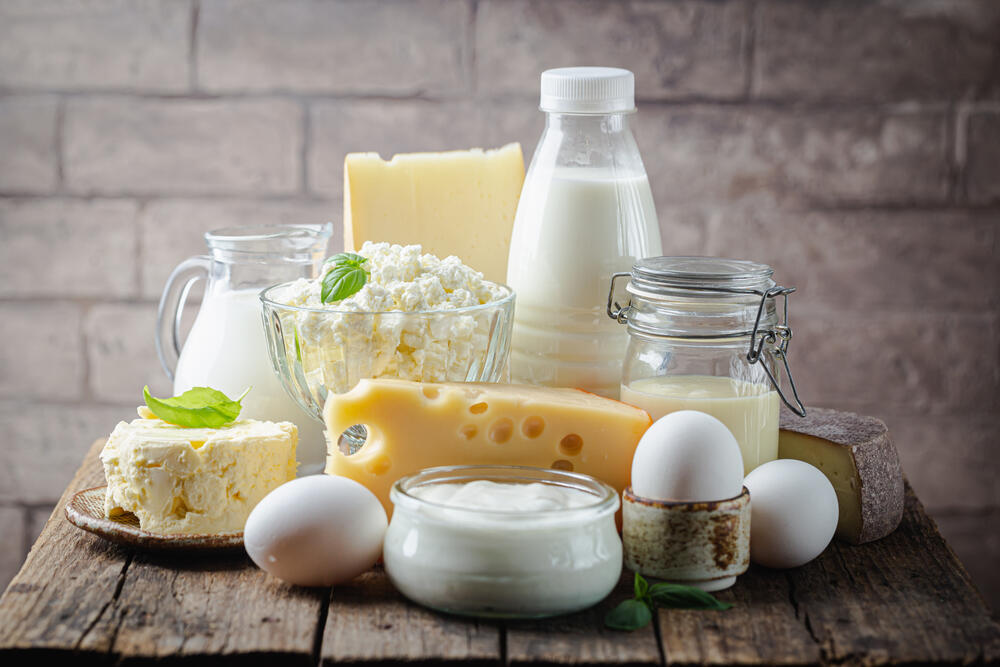
'Dairy products, fish and eggs, and also seaweed — these are the main sources of iodine'
(Photo: shutterstock)
Iodine content depends on many factors: how fish are raised, how chickens are raised, how cows are fed, processing methods, and what happens in manufacturing. “So it’s difficult to rely on that,” she adds.
This helps explain why iodine deficiency may be more common than expected. Even in a country like Israel, with access to fish, dairy and eggs, the assumption that dietary intake is sufficient does not always hold up in practice.
“Today we know, according to the Ministry of Health and global data, that iodine deficiency is relatively prevalent in Israel,” Meinhardt says.
Testing is also not straightforward. “It’s not that there are no iodine tests, but they are done by measuring iodine concentration in urine over several days. It’s not a test performed individually, but rather used to assess population-level status.”
Who is at risk of deficiency?
Not everyone who eats “healthy” necessarily gets enough iodine. Risk increases when diets exclude key sources.
“We are particularly concerned about people who do not consume the foods mentioned — eggs, fish and dairy,” says Meinhardt. “That includes vegans, people with allergies to these foods, or those who avoid them for other reasons.”
Another key group is women of reproductive age, pregnant women, and breastfeeding mothers. “During pregnancy, the body’s iodine requirements increase because thyroid hormone production rises, and the fetus itself also requires iodine,” she explains. “During breastfeeding, needs are also higher, so deficiencies can develop during these stages.”

'During pregnancy, the body’s iodine requirements increase'
(Photo: shutterstock)
What can be done?
One of the simplest and most widely recommended steps is not to increase salt intake, but to replace regular salt with iodized salt.
“The recommendation, both in Israel and globally by health organizations, is to replace regular table salt with iodized salt — salt enriched with iodine,” says Meinhardt. “It is available in major retail chains and can be identified by the label on the packaging.”
However, she stresses that this is not an invitation to consume more salt. “This should be done without increasing sodium intake, because excess sodium is also unhealthy, just as iodine deficiency is unhealthy. It’s about balance.”
What about excess iodine?
Unlike deficiency, iodine excess is relatively rare in a standard diet, but it can occur — mainly through unnecessary supplements or unusually high intake of iodine-rich foods.
“Excess iodine is very rare,” she explains. “It usually happens when people take iodine supplements. In a normal Israeli diet, it is very difficult to reach excessive levels without supplementation.”
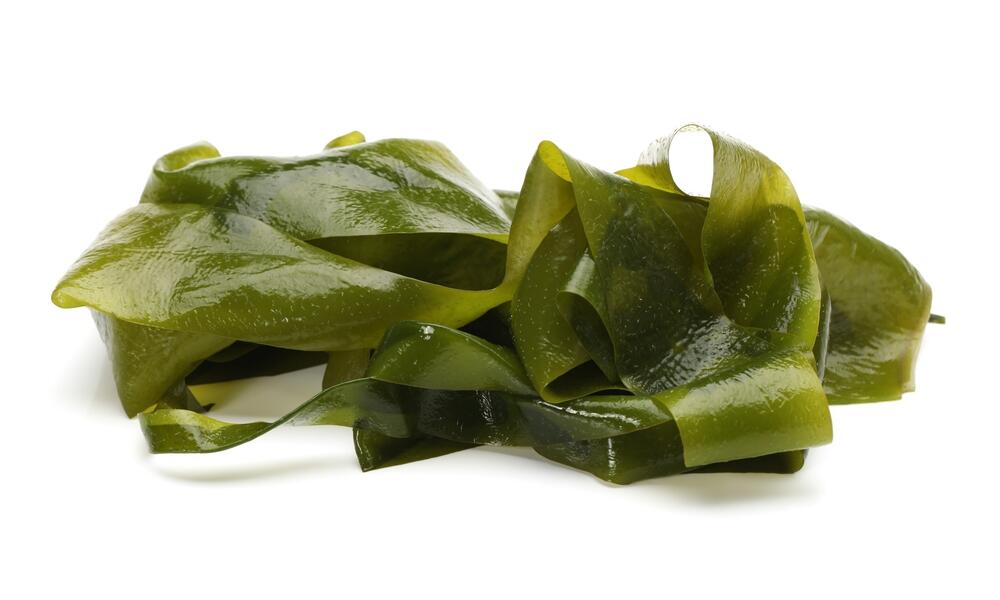
'Seaweed, now popular as a 'health food''
(Photo: shutterstock)
Seaweed, now popular as a “health food,” can also be a source of caution. “There is a trend of eating seaweed,” she says. “But seaweed can contain very high iodine levels, so that also requires attention.”
The practical takeaway
After all the nuances, the practical advice is relatively simple: check what type of salt you are using at home, and if you use salt, make sure it is iodized.
“The easiest solution is to ensure adequate iodine intake through iodized salt,” Meinhardt says. At the same time, dietary sources remain important, especially fish and seafood, as well as eggs and dairy — though the exact amounts vary.

Check what type of salt you are using at home, and if you use salt, make sure it is iodized
(Photo: shutterstock)
Still, she warns against oversimplification. “Iodine is just one component among many we evaluate in a person’s nutrition,” she says. “We assess all macro- and micronutrients — all vitamins and minerals.”
Recommendations, she adds, are never one-size-fits-all. “It depends on medical history, medication, preferences, lifestyle and daily routine. There is no blanket recommendation for iodine supplementation for the general public. People should not rush to take iodine supplements on their own.”
In cases of concern — especially during pregnancy planning or pregnancy — professional consultation is recommended. “It’s important to consult a doctor or dietitian to adjust iodine intake and overall nutrition so that it is truly optimal.”