


Millions of men around the world now use GLP-1 drugs such as Ozempic, Wegovy and Mounjaro to lose weight. In recent years, the medications have been linked to a growing list of health benefits beyond weight reduction, from a lower risk of heart disease to possible effects on dementia, mental health and other conditions.
Now, a new scientific review highlighted in a Nature summary raises another intriguing possibility: the drugs may also improve reproductive health in men with obesity, increase testosterone levels and even improve sperm quality.
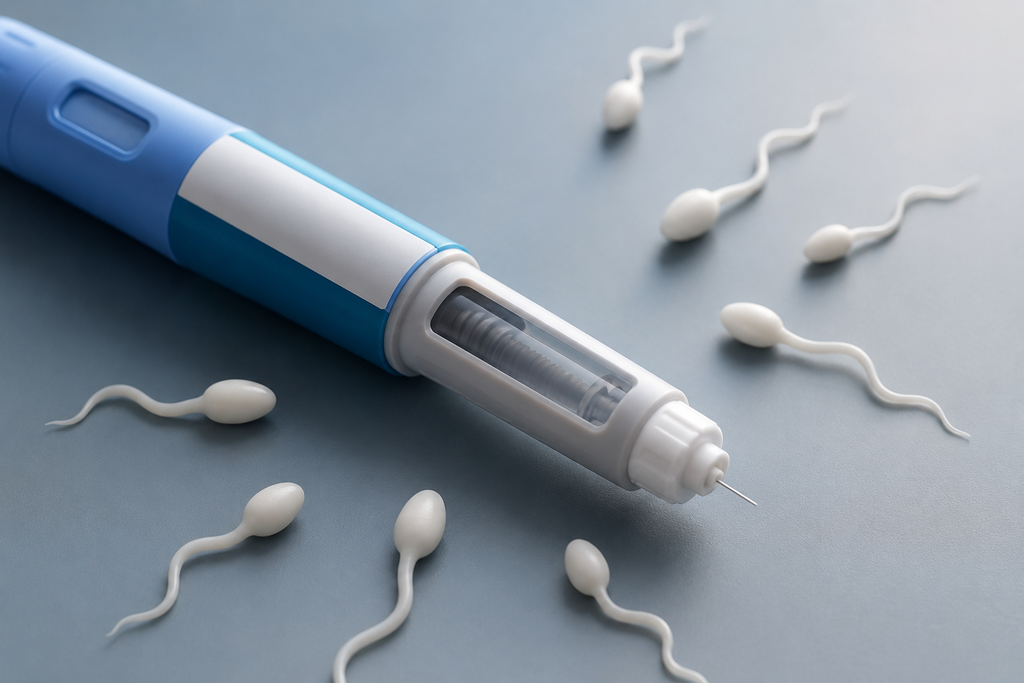
The review was presented at the annual meeting of the Endocrine Society in Chicago. The researchers emphasized that the evidence remains preliminary, and that larger studies are needed to determine whether there is a causal link between treatment with the drugs and improvement in fertility markers.
“GLP-1 weight-loss drugs continue to surprise us with the expanding range of their effects on the body,” said Dr. Raz Hagoel, director of the Medical Center for the Treatment of Obesity. “Beyond weight loss, blood sugar control and effects on heart and kidney disease, we are now seeing evidence that they may also contribute to improvements in hormonal parameters and male fertility markers, including testosterone levels and sperm quality.”
According to Hagoel, the finding makes medical sense. Excess weight and obesity are associated with chronic inflammation and metabolic disturbances that can impair the hormonal system and sperm production. When metabolic strain is reduced and overall health improves, he said, it is reasonable to expect improvement in these measures as well.
The link between obesity and male fertility
Obesity has long been known as a risk factor for impaired male fertility. It is associated with low testosterone levels, reduced libido, poorer sperm quality and other symptoms of hypogonadism, a condition in which the body does not produce enough testosterone.
One reason is that fat tissue contains high levels of an enzyme called aromatase, which converts testosterone into estradiol, a female sex hormone. In addition, obesity is linked to low-grade chronic inflammation and other metabolic disturbances that may impair testosterone production.
Because GLP-1 drugs lead to significant weight loss and improvement in metabolic measures, the researchers sought to examine whether they might also affect the male reproductive system.
What did the researchers examine?
Dr. Pratibha Natesh and colleagues from Warwick Medical School in the UK conducted a systematic review of the scientific literature. They searched for randomized controlled trials that examined GLP-1 drugs and included measurements of testosterone levels in men. Ultimately, only five studies met the criteria.
One study included 30 men with obesity and low testosterone. Participants were randomly assigned to receive either a GLP-1 drug or testosterone replacement therapy. After 16 weeks, testosterone levels rose in both groups.
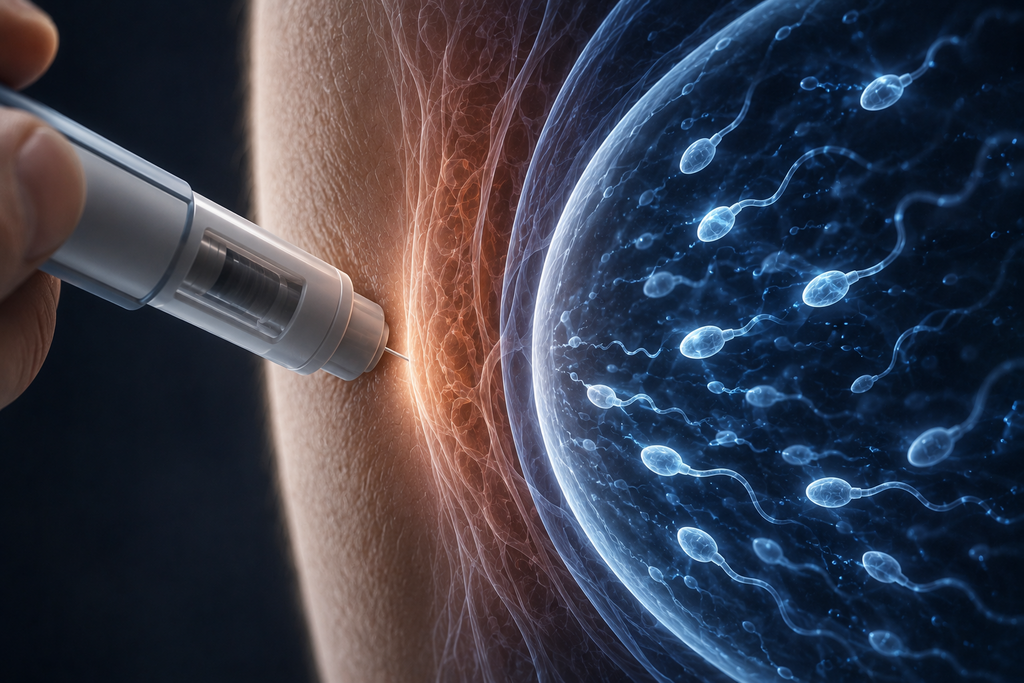
(Illustration: ChatGPT)
Another study included 25 men with type 2 diabetes and hypogonadism. They, too, were randomly assigned to receive a GLP-1 drug or testosterone therapy, and were followed for 24 weeks. Testosterone levels increased in both groups, though the increase was greater in the testosterone therapy group. However, fertility measures improved specifically in the GLP-1 group.
The surprising improvement in sperm quality
The most notable finding was the change in sperm quality. Among men who received GLP-1 drugs, the proportion of sperm cells with normal morphology increased from 2% at the start of the study to 4% by the end. Additional sperm quality measures also improved.
By contrast, men in the testosterone therapy group experienced a decline in sperm count and sperm quality, a known effect of this hormonal treatment.
The researchers said the finding could be especially significant for men who want to have children. While testosterone therapy raises hormone levels, it can often impair sperm production. Weight-loss drugs, on the other hand, may improve both testosterone levels and fertility measures at the same time.
The other three studies included in the review involved healthy men who received GLP-1 drugs for relatively short periods. Those studies found no significant effect on testosterone levels.
The review does not stand alone. The Nature summary also cited additional studies supporting a similar direction. One study, recently presented at the American Urological Association conference, analyzed medical records of more than 1,600 men who received medications for obesity. Researchers found that testosterone levels rose by about 30% after treatment with GLP-1 drugs or medications that work through a similar mechanism.
Another retrospective study, which included 215 men treated with weight-loss drugs, found that testosterone levels after treatment were about 20% higher on average than levels measured before treatment began.
Improving the metabolic picture
According to the researchers, the drugs may not act directly on the testes or reproductive system. Instead, they may work by improving metabolic health and reducing fat tissue. Weight loss reduces aromatase activity, lowers chronic inflammation and improves insulin sensitivity, all mechanisms that could contribute to higher testosterone levels and improved reproductive function.
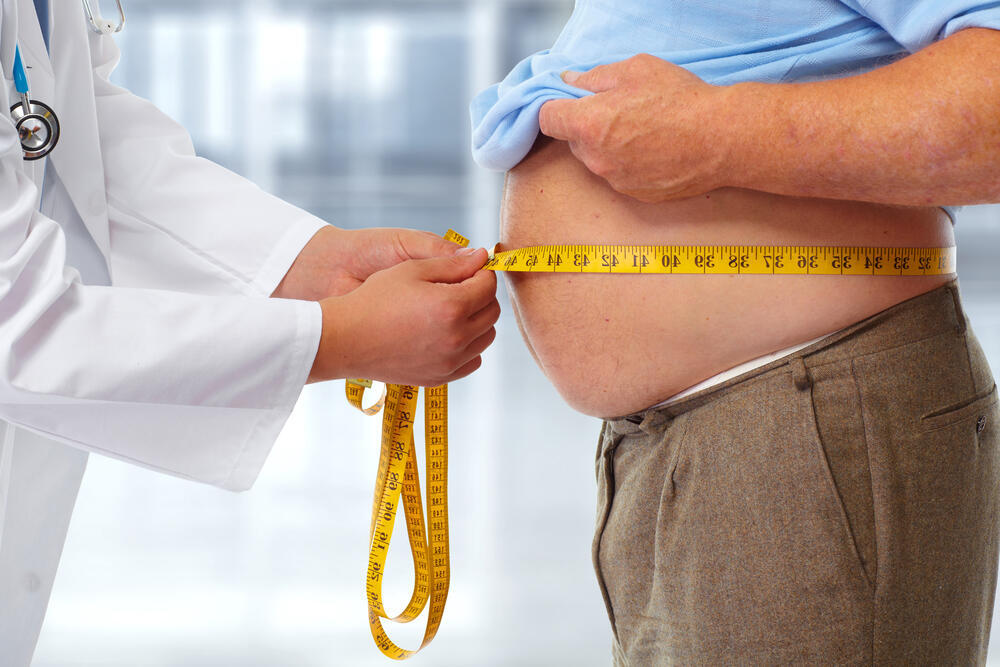
(Photo: Shutterstock)
Natesh told Nature that the findings should serve as “a wake-up call for all endocrinologists” treating men with obesity and symptoms of low testosterone, especially those planning to have children. In many cases, she said, there may be reason to treat the underlying cause first, obesity itself, through lifestyle changes and, in some cases, weight-loss medications, before moving directly to testosterone therapy.
Still, the researchers stress that GLP-1 drugs should not currently be viewed as a treatment for male fertility. The findings are based on a relatively small number of studies and participants, and must be confirmed in larger and longer-term studies before clinical recommendations can change.
“The importance of the study is that it offers a new angle for addressing fertility problems among men with obesity,” Hagoel said. “Although these are preliminary findings that require further research before they can be incorporated into formal treatment recommendations, they strengthen the understanding that obesity is not only a problem of weight, but a disease that affects many systems in the body, including the reproductive system.”