


The Soroka Medical Center in Be’er Sheva, which was struck during the war with Iran, received prestigious recognition this week with a cover feature in the renowned Annals of the American Thoracic Society (ATS).
The honor stems from a groundbreaking study led by Dr. Guy Hazan, a senior physician in the pediatric pulmonology unit and acting head of Soroka’s Children’s Ward D. His study uncovered a surprising link between temporary breathing difficulties in newborns and childhood asthma, spotlighting the hospital’s resilience amid recent missile strikes.

The study focused on a common condition known as Transient Tachypnea of the Newborn (TTN), where infants experience rapid or mild shortness of breath shortly after birth due to immature lungs. Typically resolving within hours, TTN was long considered harmless with no lasting effects.
However, Hazan’s team, analyzing extensive data from Clalit Health Services’ national database, found that full-term babies (37-42 weeks gestation) diagnosed with TTN face a significantly higher risk—sometimes double—of developing asthma by age six compared to those without the condition.
The findings, published as a lead article, mark a notable advancement in understanding early respiratory health. Hazan led the study during an extraordinary period, completing 240 reserve duty days since October 7, 2023.
Amid his service, he received the exhilarating news of his work’s acceptance and cover selection, only to face a missile strike on Soroka shortly after. The ATS editorial team quickly checked on his safety, highlighting the study’s timely impact.
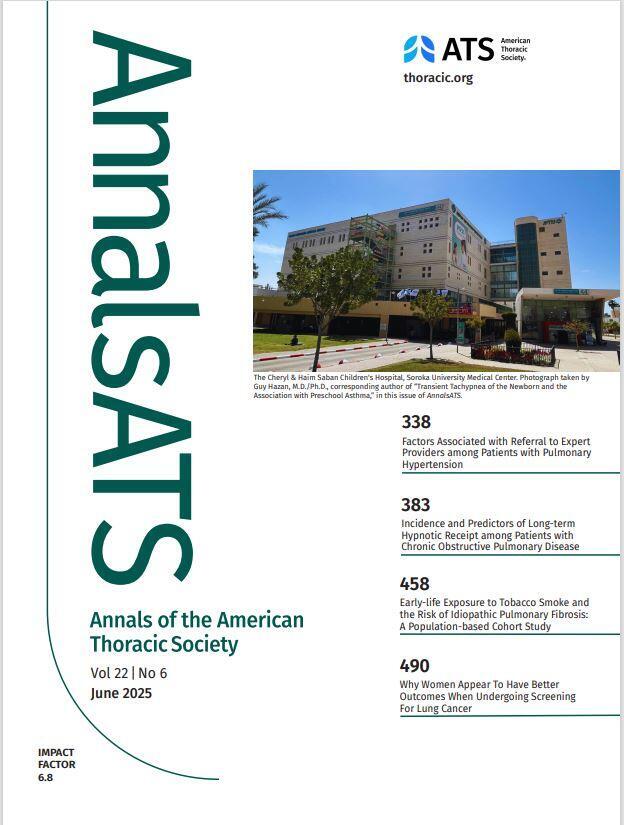
The study on ATS journal
(Photo: Annals of the American Thoracic Society)
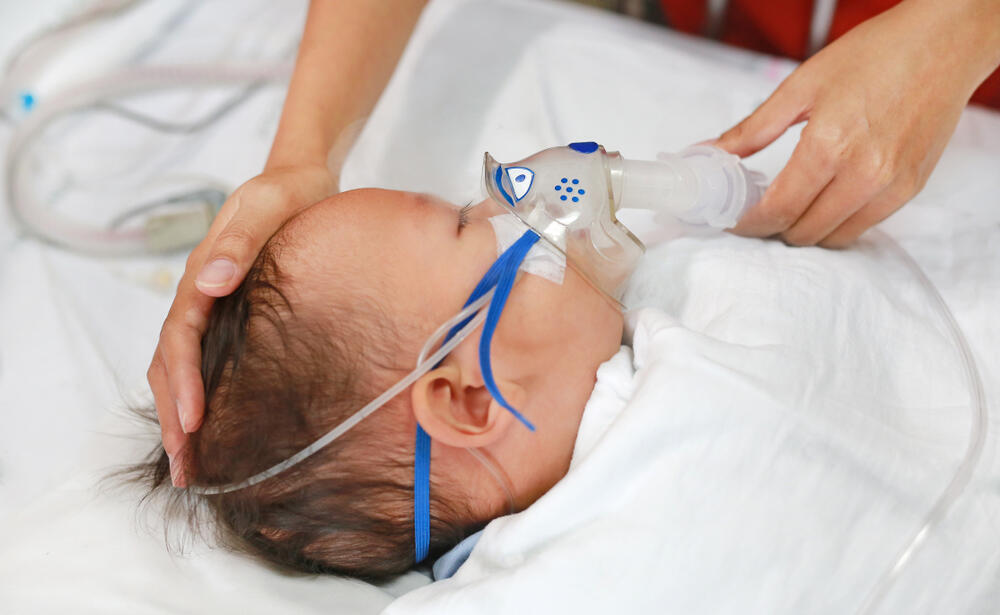
(Photo: Shutterstock)
“We wanted a clinical model to explore the link between lung underdevelopment and asthma,” Hazan explained. “Prematurity is a known factor, but being obvious, we sought an alternative, focusing on TTN in full-term babies.”
The study examined asthma indicators like medication use, emergency visits and hospitalizations up to age six, revealing higher rates—up to twice as high—in TTN-affected children even after adjusting for other risk factors.
“TTN is a marker of lung underdevelopment, but it’s not a guarantee of asthma, nor does its absence rule out immaturity,” Hazan noted. “We lack a practical diagnostic tool now.”
He detailed the mechanism: “At birth, a newborn’s fluid-filled lungs activate channels to absorb liquid for proper gas exchange, triggered by birth stress. In TTN, this process delays, leaving lungs ‘wet’ longer, reflecting that immaturity.” Affecting 1-2% of newborns, TTN serves as a research “marker” for studying lung issues in full-term infants.

(Photo: Shutterstock)
The study suggests TTN identifies a risk group needing monitoring, not a universal predictor. “For pediatricians, it means being aware and tracking respiratory health in early years. For asthma specialists, it’s a tool to better understand the disease’s origins,” Hazan said.
Soroka’s pulmonology unit plans further research into asthma’s infancy roots, aiming to identify high-risk children and potentially develop prevention strategies in the future.