


Not everyone who smokes develops lung cancer, while some people who have never smoked are diagnosed with the disease. Similarly, not everyone exposed to sunlight develops skin cancer. A new study suggests that part of the explanation may lie in the genetic makeup we are born with, which influences not only the risk of developing cancer but also how a tumor evolves after DNA damage occurs.
The study, published in Nature, found that even relatively modest inherited genetic differences can influence which mutations become established in tumor cells, how many genetic alterations are required to initiate cancer and which biological pathways tumors follow as they grow.
Gallery

Not everyone who smokes develops lung cancer, while some people who have never smoked are diagnosed with the disease
(Photo: shutterstock)
Dr. Avishay Spitzer, a physician-scientist and medical oncology resident at Tel Aviv Sourasky Medical Center (Ichilov) specializing in computational cancer genomics, explained that healthy tissues naturally accumulate mutations throughout life, including some known to cause cancer.
"However, in most people, cells that acquire these changes do not develop into tumors. Why do some people develop cancer while others remain completely healthy? That is an important question that has remained unanswered."
Same carcinogen, different genetic background
One of the main challenges in cancer research is separating the effects of genetic background from environmental influences. People differ in diet, lifestyle, exposure to carcinogens and many other factors. Even studies of people with inherited syndromes that greatly increase cancer risk do not provide a complete picture because the strong effect of a single gene can obscure more subtle genetic and environmental influences.
 Dr. Avishay SpitzerPhoto: Lior Tzur/Ichilov Spokesperson's Unit
"Although the idea that genetics plays a role in cancer may seem obvious, research has largely focused on mutations in individual genes," Spitzer said. "What makes this study unique is that it does not identify a single 'culprit' gene. Instead, it demonstrates how modest genetic variation across the entire inherited genome may determine the evolutionary rules by which cancer develops."
To examine the effect of genetic background under controlled conditions, the researchers repeated the same experiment in four groups of mice with different genetic backgrounds. The differences between the groups were similar to, and in some cases greater than, the genetic differences seen among human populations of different ancestries.
The study included 215 male mice. At 15 days old, all received a single injection of the same dose of diethylnitrosamine (DEN), a carcinogen that damages DNA in liver cells and can cause mutations that lead to tumor formation. According to Euronews, the compound is found in tobacco smoke and some processed foods. All mice were the same age, kept under identical conditions and injected at the same time. Additional mice from each of the four groups that were not exposed to the carcinogen served as controls.
The same carcinogen led to tumor development at different rates depending on genetic background
(Photo: Shutterstock)
The researchers collected a total of 581 liver tumors. They analyzed the tumors' DNA, identified which genes were active, measured the number of mutations and determined which mutations contributed to cancer development. They also examined how the tumors changed over time and whether genetic background influenced their evolutionary trajectory.
Why did tumors appear at different times?
Although all the mice were exposed to the same carcinogen under identical conditions, tumors developed at dramatically different rates. In the most susceptible group, tumors appeared after 25 weeks. In two other groups, they appeared after 36 and 38 weeks, while in the most resistant group they did not appear until 78 weeks.
The same pattern was seen among mice that were not exposed to the carcinogen but developed tumors spontaneously. The group that developed tumors most rapidly in the experiment was also the most prone to spontaneous tumor formation, while the group in which tumors appeared later was the most resistant.
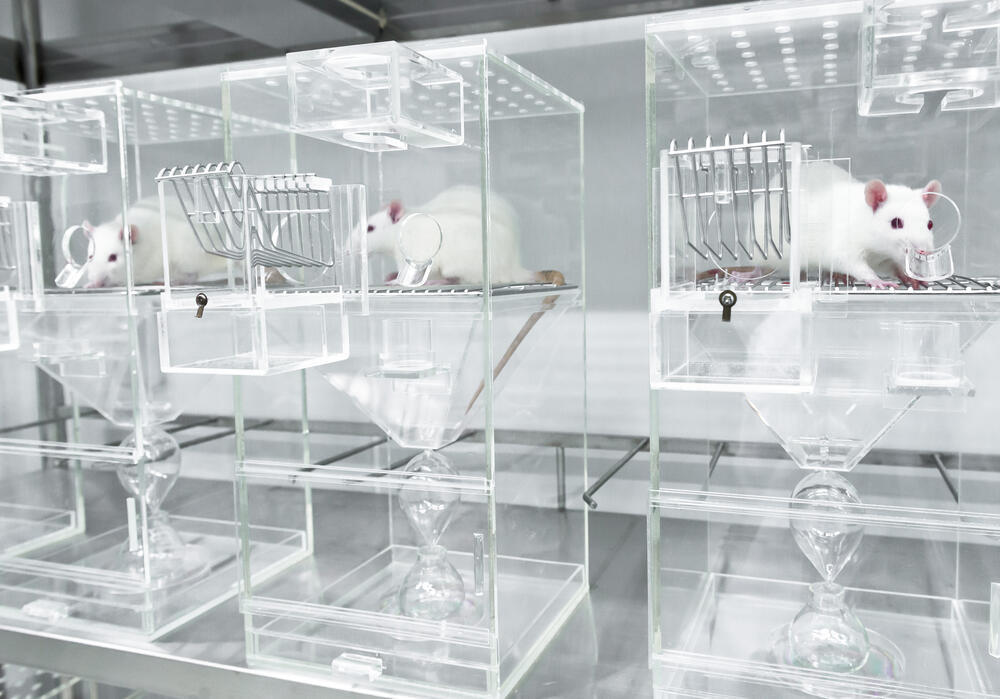
Although all the mice were exposed to the same carcinogen under identical conditions, tumors developed at dramatically different rates
(Photo: Shutterstock)
However, susceptibility to cancer was not determined solely by the number of mutations. Two groups had more DNA changes than the group in which tumors developed the fastest. The researchers concluded that not only the number of mutations matters but also the type of mutations and the genetic background in which they occur.
They also found differences in the ability to repair DNA damage. Two groups had lower activity of the Mgmt gene, which helps repair the damage caused by the carcinogen. In some tumors, the repair mechanism appeared unable to cope with the extent of the damage.
Different routes to the same destination
One of the study's most striking findings was that, despite the differences among the groups, 95% of tumors activated the same biological pathway, known as MAPK. This pathway regulates, among other processes, cell division, growth and survival, and its activation can promote tumor growth.
However, the tumors activated the pathway through different mutations. Some carried mutations in the BRAF gene, while others had mutations in HRAS, EGFR or KRAS. The most common mutations were found in Braf and Hras, appearing in 252 and 224 tumors, respectively.
One specific mutation in HRAS, for example, appeared in three of the four groups but was completely absent in the fourth. The researchers suggested that the immune system in that group may have recognized and eliminated cells carrying the mutation, although that explanation did not account for all the observed differences.
The study found that genetic background also influenced chromosome stability and tumor development
(Photo: Shutterstock)
The differences also could not be explained by variations in the DNA sequence surrounding the mutations or by differences in how the carcinogen damaged DNA in each group. Instead, the findings suggest that inherited genetic background influenced which mutations gave tumor cells an evolutionary advantage, allowing them to continue developing.
Fewer mutations, faster cancer development
Genetic background also affected the number of driver mutations required to initiate cancer. In the most susceptible group, tumors generally required only a single driver mutation, while tumors in the other three groups typically required at least two.
To understand how tumors evolved, the researchers reconstructed a type of "family tree" of tumor cells. In all four groups, some tumors originated from the first generation of cells after DNA damage occurred, but this was especially common in the most susceptible group. In the other groups, many early cell lineages failed to survive, and tumors generally arose from cells that emerged later.
According to the researchers, this may help explain why tumors appeared more quickly in the most susceptible group. Fewer genetic changes were needed to initiate cancer and more cells formed in the earliest stages continued to grow.
Another difference among the groups involved the likelihood that tumor cells duplicated their entire genome, a process that can destabilize cells and allow tumors to accumulate additional genetic changes. In the most resistant group, signs of whole-genome duplication were found in 37% of tumors. This occurred in tumors carrying BRAF mutations, which later also showed changes in chromosome number and other genetic abnormalities.

95% of tumors activated the same biological pathway
(Photo: shutterstock)
Mice in this group also had shorter telomeres. Telomeres protect the ends of chromosomes, and the researchers suggested that telomere damage may be linked to genome duplication. Similar processes have been observed in human tumors, where whole-genome duplication can occur early in the disease and has been associated with a poorer prognosis.
Inherited DNA changes the impact of mutations
Analysis of gene activity showed that the effects of mutations on different cellular systems varied according to genetic background. Significant differences were found in pathways involved in cell division, DNA damage response, inflammation and cell death, including the p53, TGFβ and PPAR pathways.
This means that the same mutation does not necessarily behave the same way in every individual. A mutation that promotes tumor growth in one genetic background may have a different effect in another.
According to Spitzer, the findings show that inherited DNA influences the fate of a cell after a mutation occurs.
"The DNA we inherit acts like an evolutionary rulebook that determines whether a cell carrying a mutation is safely eliminated, remains dormant or develops into a malignant tumor."
The researchers said that the interaction between tumor mutations and inherited genetic background is not currently given sufficient consideration in tests designed to predict disease progression or response to treatment. This could be important given differences in the frequency of cancer-causing mutations among human populations.
They also suggest that inherited genetic background may influence how tumors respond to treatments that damage DNA, including certain types of chemotherapy and radiation therapy. If the findings are confirmed in humans, they could eventually affect cancer risk assessment, early detection strategies and the selection of personalized treatments.
Spitzer believes the findings could ultimately change how cancer is diagnosed and treated.
"Instead of examining only the mutations in the tumor, we may one day combine a patient's complete inherited genome with the tumor's genetic profile. Such an integrated approach could help identify people at high risk before a tumor develops, detect aggressive cancers earlier and design treatments tailored to each patient's individual genetic makeup."
He stressed, however, that clinical application remains a long way off.
"Many more studies will be needed to confirm these findings and determine whether they apply across diverse human populations before they can be translated into direct patient care."