


Yaakov Tabrizi remembers the exact moment his life began to change. At age 12, shortly after his father died, he began gaining weight — a process he says was driven by emotional eating that quickly escalated.
“If I was sad — I ate. If I was happy — I ate,” said Tabrizi, now 19, from the southern moshav of Noga. He described consuming large quantities of food, sometimes eating what he said amounted to meals for nearly three people.
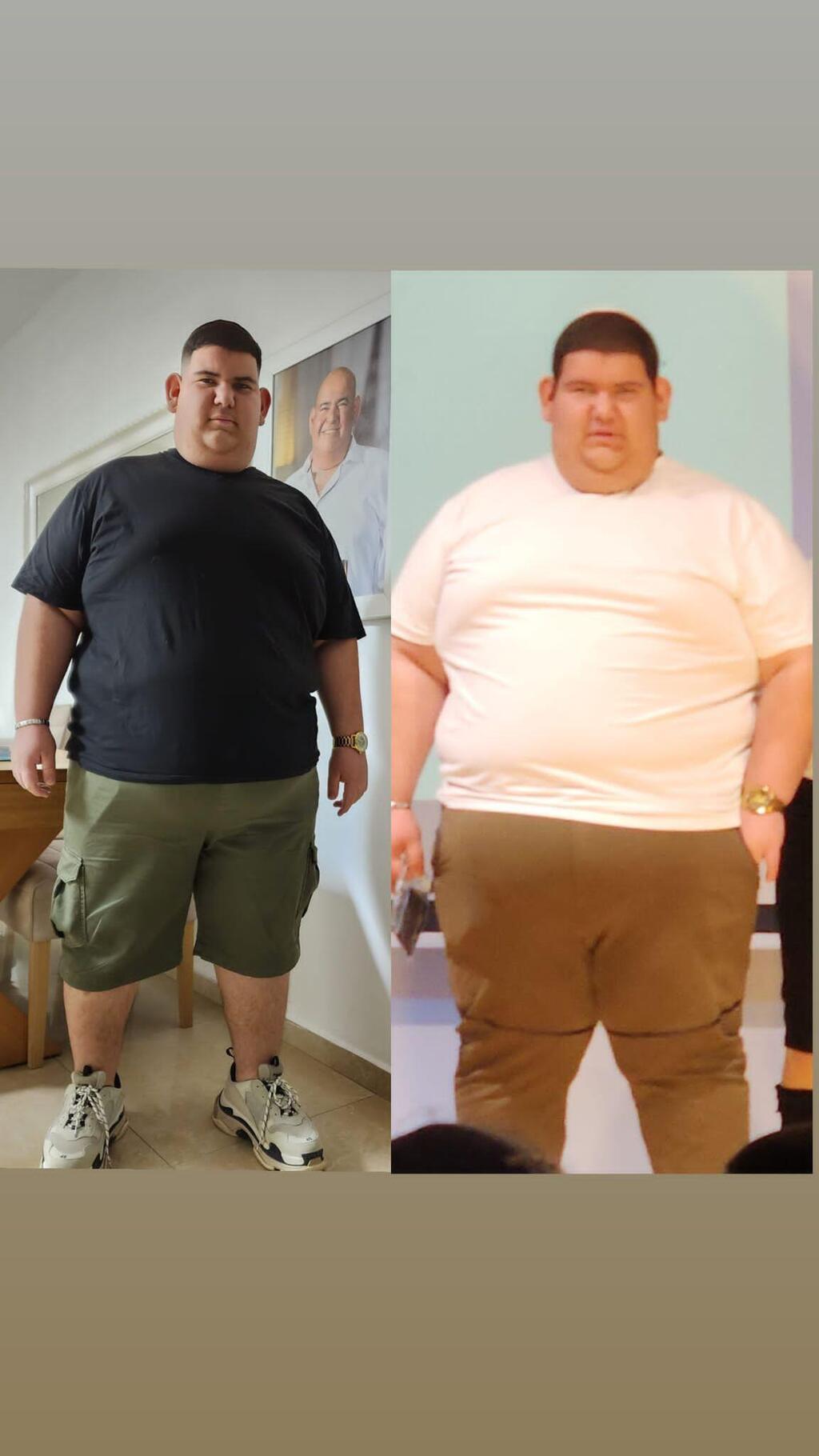
Over time, the weight gain led to serious health consequences. By age 13, he was diagnosed with diabetes, and by 16 his weight had reached 202 kilograms (about 445 pounds). The impact extended beyond health, affecting basic daily functions.
“It was very difficult,” he said. “I couldn’t get dressed by myself, couldn’t tie my shoes because it was hard to bend down. I couldn’t walk with friends — after a few meters I felt like I was going to faint.”
He also described the social toll, including public ridicule and embarrassment that kept him from participating in everyday activities.
Attempts to lose weight
Tabrizi said he tried multiple approaches to lose weight, including diets and medication, but none proved effective.
At age 15, he asked his family to consider bariatric surgery. Because he was under the minimum age for the procedure, he underwent a lengthy approval process, including extensive medical testing.
Doctors determined his condition posed serious risks, including damage to organs such as the liver and kidneys, and approved him for surgery under exceptional circumstances.
The surgery
Due to the risks associated with his weight, doctors opted for a two-stage surgical approach.
The first procedure, a sleeve gastrectomy, led to a loss of about 50 kilograms (110 pounds). Six months later, he underwent a second procedure, a duodenal bypass.
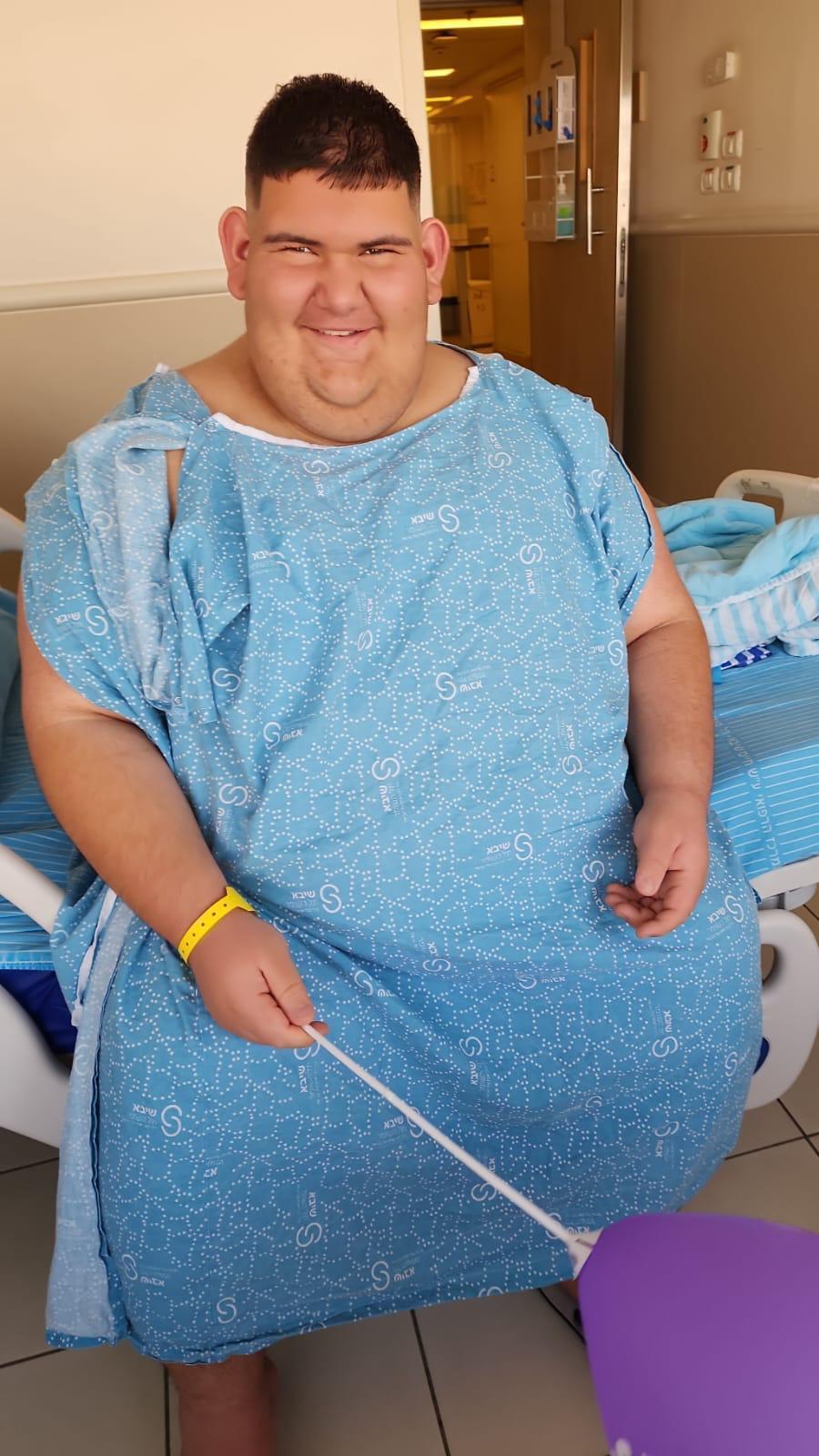
Tabrizi after the first operation
Life after weight loss
Today, Tabrizi weighs 89 kilograms (about 196 pounds) — a loss of more than 110 kilograms (about 240 pounds) from his peak. He said the transformation has restored his health and independence, including reversing his diabetes.
“I got my life as a gift,” he said.
He is now studying in a post-high school program and said he speaks openly about his experience. He also noted a change in how others treat him.
“People who used to laugh at me now come and say how good I look,” he said, adding that he keeps his distance from those who mocked him in the past.
Maintaining the change
Tabrizi said maintaining the weight loss has not been a struggle so far, describing a shift not only in eating habits but also in mindset.

Tabrizi today
“I can eat everything, just in much smaller amounts,” he said. “The body feels full.”
He said he plans to undergo additional procedures to remove excess skin in the coming months.
A broader medical perspective
Dr. Anya Feigin, a senior surgeon at Sheba Medical Center who treated Tabrizi, said severe obesity is a chronic condition with wide-ranging health consequences.
“Obesity affects every aspect of life,” she said, noting increased risks of heart disease, diabetes and other conditions. She added that bariatric surgery remains the most effective long-term treatment for patients who meet the criteria.
“There are no shortcuts,” she said, emphasizing that while other treatments exist, they do not replace surgery in such cases.