

Afeka College of Engineering last week inaugurated its “Quiet Tent,” a dedicated space on its Tel Aviv campus designed to support students coping with trauma, war-related stress and the emotional strain of life in Israel since the October 7 attacks.
The new space was created to give students a calm, quiet environment where they can step away from the intensity of campus life, decompress and regain a sense of balance. College officials said the initiative responds to growing mental health challenges among students, many of whom have been affected by the war, prolonged reserve duty and the continued national trauma of the past year.
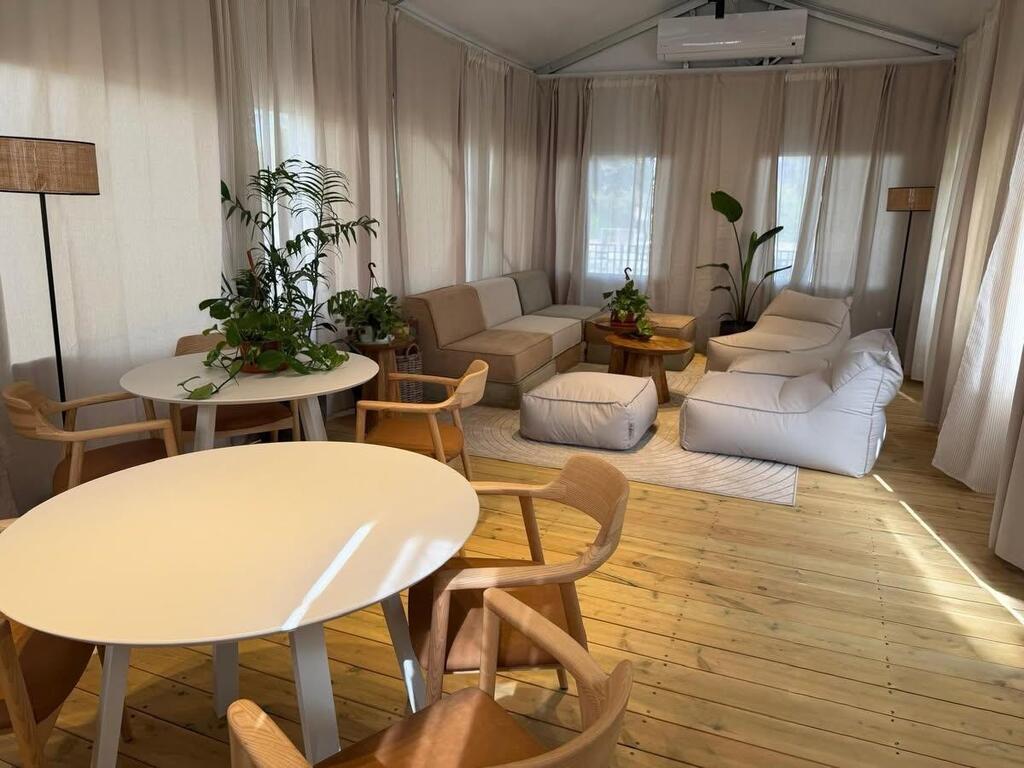
The idea for the Quiet Tent emerged after a meeting with the family and friends of an Afeka student who died by suicide. Staff at the college sought to understand what might have helped the student cope more effectively, and the conversation led to a broader recognition of the need for a dedicated space where students could process difficult experiences in a safe and supportive setting.
The inauguration ceremony was attended by Afeka senior leadership, faculty and staff, families of fallen students and bereaved faculty members, as well as students coping with trauma, PTSD and other mental health challenges.
Afeka has one of the highest proportions of IDF reservists among Israeli academic institutions. At the height of the prolonged war that followed the October 7 attacks, as many as 42% of Afeka students were called up for reserve duty while also trying to continue their academic studies, creating extraordinary pressure on the college community.
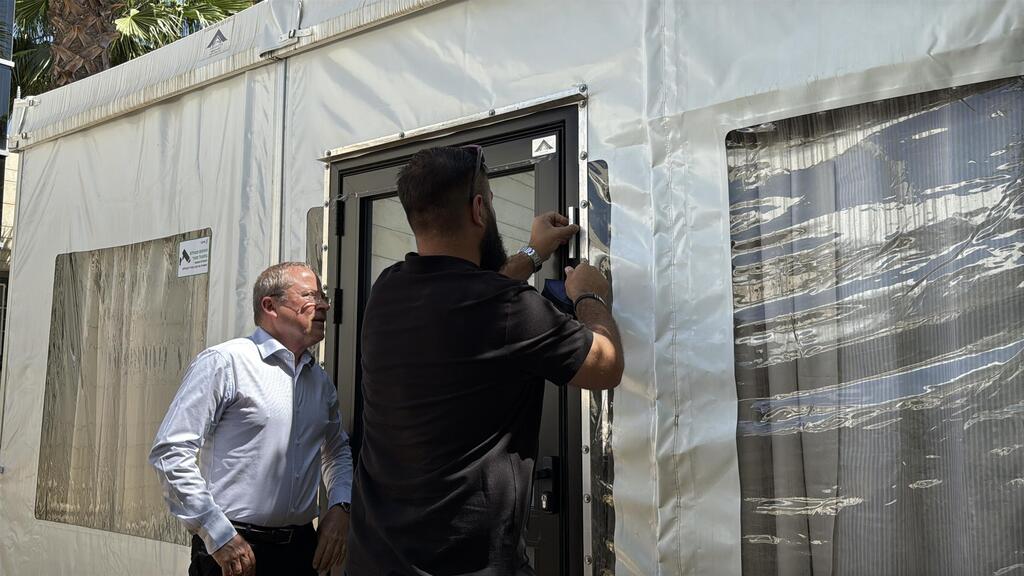
Roi Wasserstein's brother, Tom Wasserstein, hangs mezuzah on the Quiet Tent with Afeka President Yossi Rosenwaks; Roi Wasserstein was an Afeka student soldier whose death by suicide led to conversations with his family, leading to the Quiet Tent
( Photo: Guy Tzarf)
“Over the past year, we have seen firsthand the emotional burden many students are carrying,” said Prof. Yossi Rosenwaks, president of Afeka College of Engineering. “The Quiet Tent was created out of a simple but important understanding: resilience is not only about pushing forward. It is also about knowing when to pause, when to ask for help, and having a safe place to do so.”
The initiative comes as Israeli colleges and universities continue to confront unprecedented emotional and psychological challenges among students during wartime.
The Quiet Tent was made possible through the support of Prof. David Seidman, professor emeritus of materials science and engineering at Northwestern University, and his wife Shoshanah. The Seidman family funded the project as part of Afeka’s broader effort to support student wellbeing during the ongoing war.
“David and I are deeply honored to be part of bringing Afeka College’s Quiet Tent to life,” said Shoshanah Seidman. “This is a truly meaningful initiative because it recognizes the importance of providing students, especially those carrying the burdens of trauma, with a place where they can feel safe, find moments of peace, and reconnect with themselves and others. We hope this special space will offer comfort, strength, and healing to all who use it, and we wish the Afeka community continued success, resilience, and good health.”
The Quiet Tent is part of a wider effort by Afeka to strengthen mental health and emotional support services for students throughout the conflict. In recent months, the college has expanded counseling resources, peer support initiatives, faculty mentoring programs and wellness activities aimed at helping students preserve routine and connection during an especially difficult period.
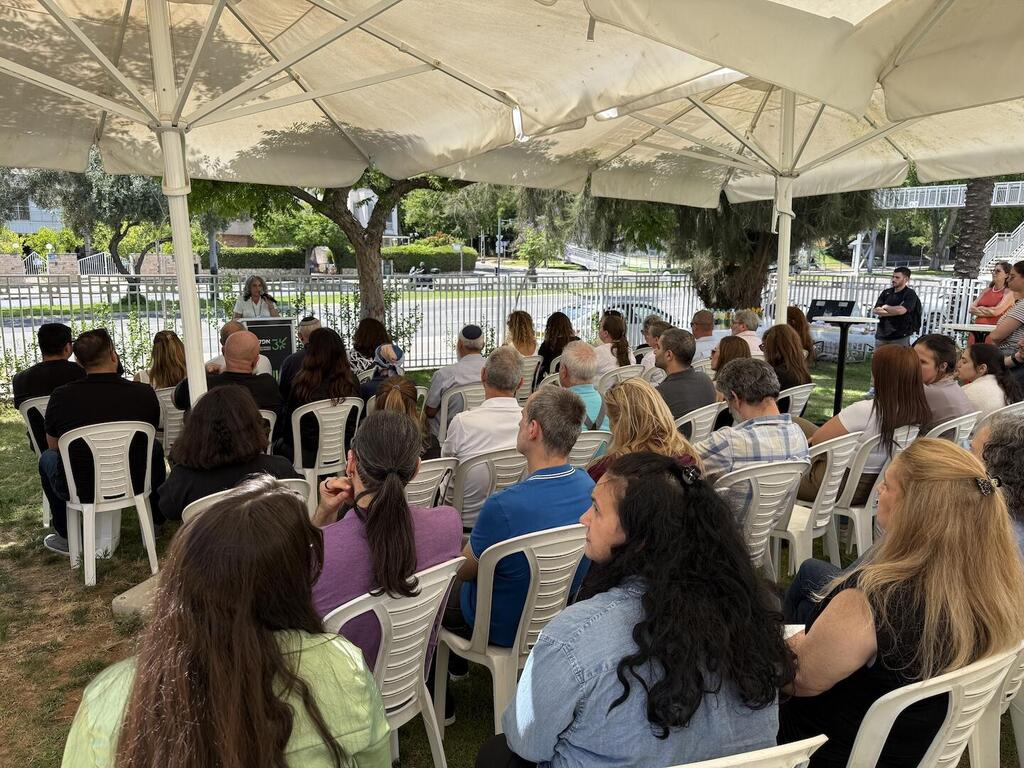
The ceremony inaugurating the Quiet Tent
( Photo: Guy Tzarf)
“Early in the post-October 7 war, we formulated and implemented a plan to ensure that no student would fall behind because of disruptions caused by the conflict,” Rosenwaks said. “Today, we continue to carry out and expand that institution-wide commitment, which reflects our responsibility to not only educate engineers but also to support the people behind the degrees.”
The ceremony concluded with students and guests touring the new space and discussing the need to expand public conversations about mental health and emotional wellbeing in Israeli society.
Alongside its wartime support efforts, Afeka is also moving ahead with plans for a new campus in Tel Aviv’s Yad Eliyahu neighborhood. The college says the project is intended to expand academic, research and student support opportunities for the next generation of Israeli engineers, while also contributing to the revitalization of south Tel Aviv.
First published: 08:18, 06.18.26