

The recent measles outbreak in Jerusalem highlights the life-saving role of vaccines, one of modern medicine’s most transformative inventions. Since Edward Jenner developed the first smallpox vaccine in the 18th century, vaccination has drastically reduced or eradicated diseases that once caused severe illness and death.
Vaccines work by safely stimulating the immune system. They expose the body to a weakened or inactive version of a virus or bacterium—or sometimes just a protein or genetic fragment—so the immune system “learns” to respond quickly to future exposure. This triggers a two-stage immune response: initially, white blood cells recognize the pathogen and produce antibodies, and later, memory cells and antibodies remain in the body to provide long-term protection. Some vaccines require booster doses to reinforce immunity.
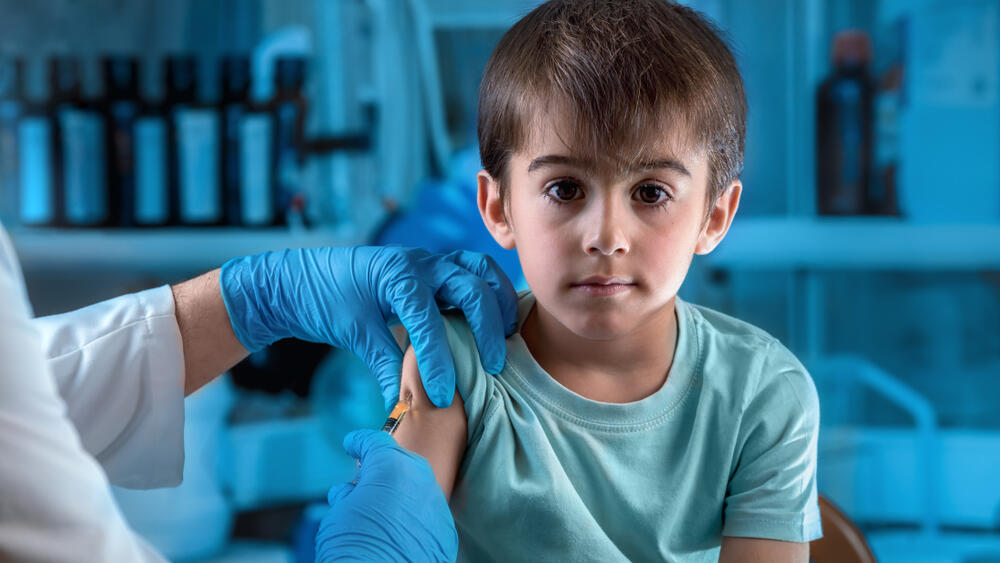
Vaccines prevent serious infectious diseases such as measles, pertussis, diphtheria, tetanus, polio and influenza. These diseases once caused high mortality and long-term complications, including paralysis from polio. Mass vaccination campaigns have nearly eradicated polio in many countries. When the UK temporarily stopped pertussis vaccination, infant mortality rose significantly, prompting a return to routine immunization.
Research shows vaccines save millions of lives globally each year. They protect healthy individuals and reduce complications in vulnerable populations, including infants, the elderly, pregnant women and people with chronic illnesses. Immune systems weaken with age, making older adults relatively more at risk, even if previously vaccinated.
Vaccines also reduce long-term complications. For example, the HPV vaccine lowers the risk of cervical cancer, and the hepatitis B vaccine reduces the risk of liver cancer and cirrhosis. Vaccination protects not just against immediate illness but also invests in future public health.
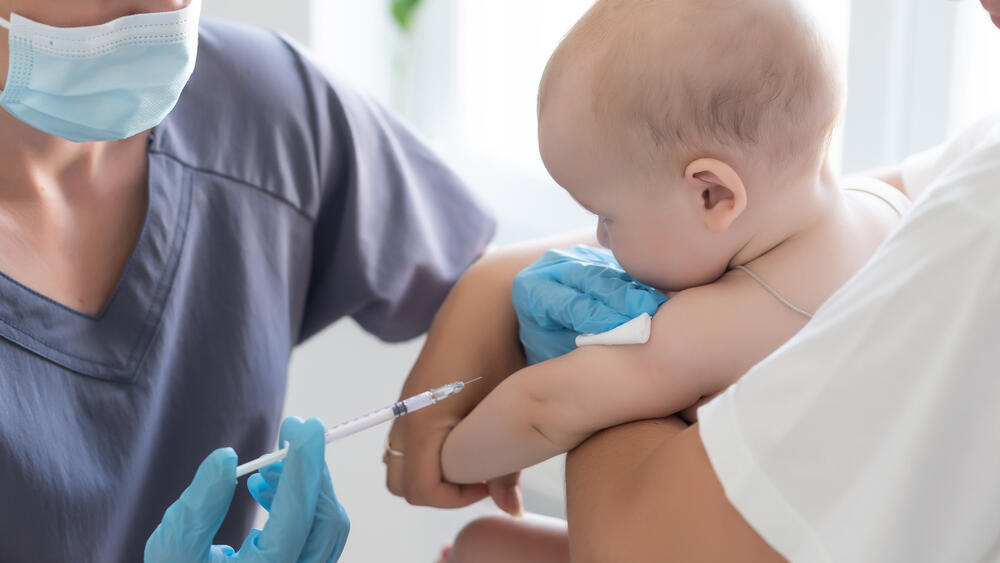
(Photo: Shutterstock)
Herd immunity is a unique benefit of vaccination. When most of a population is immunized, viruses and bacteria struggle to spread, protecting those who cannot be vaccinated, such as individuals with weakened immune systems or severe drug allergies. Live vaccines, like the measles vaccine, are typically unsafe for people with immune deficiencies, so herd immunity is critical to protect them. Inactivated vaccines are generally safe even for these individuals.
Vaccination also has significant social and economic benefits. Treating infectious diseases requires medical resources, hospital stays, expensive medications and leads to lost work and school days. Widespread immunization reduces health and economic disparities, making vaccination a collective investment.
 Dr. Ramit Maoz Segal
In recent decades, public trust in vaccines has declined in some countries. Misinformation, misconceptions and fear of side effects have led some parents to avoid vaccinating their children, putting communities at risk. Even small drops in vaccination rates can trigger outbreaks of previously controlled diseases.
Vaccination is an act of social solidarity. By vaccinating, we protect parents, children, friends and neighbors. In a globalized world where infectious diseases can spread quickly, vaccination is more important than ever. The COVID-19 pandemic underscored the critical role of effective vaccines in preventing widespread illness and returning life to normal.
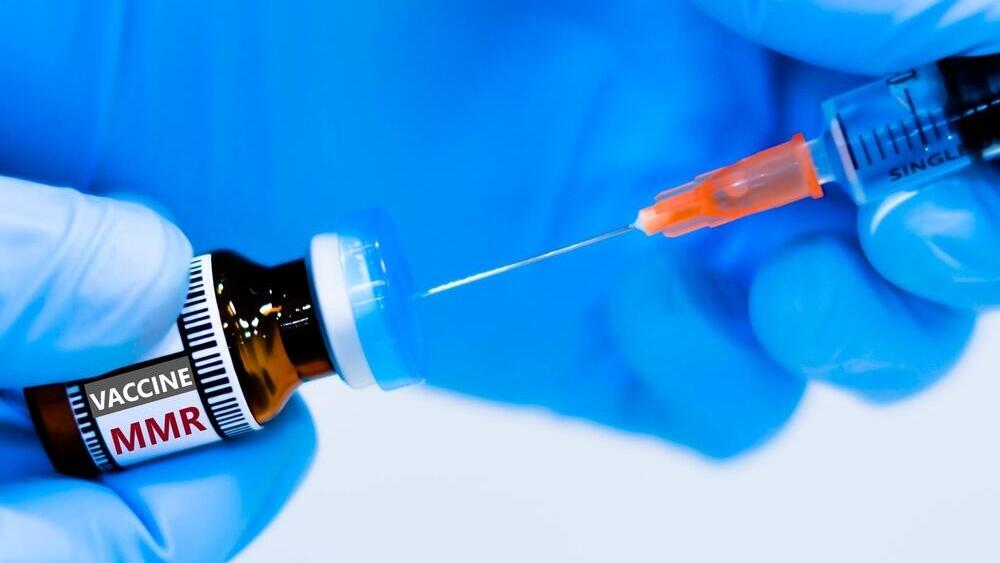
Measles vaccine
(Photo: Shutterstock)
Why measles vaccination is urgent now: Over the past three months, more than 520 measles cases have been reported in Israel, about 80% in children, most of them unvaccinated. This week, the death of a toddler in Jerusalem emphasized the severity of the disease. Measles can lead to serious complications, including ear infections, pneumonia, seizures and death, particularly in young children.
The Health Ministry has launched a vaccination campaign targeting communities with low immunization rates. While past coverage reached 96%, current first-dose rates are around 90%-92%, and in areas like Jerusalem, just 79%. Supporting vaccination campaigns, sharing reliable information and ensuring access are essential to protecting public health.
“Vaccines are not just a right—they are a moral duty, personally, socially and communally,” says Dr. Ramit Maoz Segal, a senior physician at Sheba Medical Center, clinical immunology specialist, and member of the Israeli Allergy and Clinical Immunology Association board.