


Researchers at Sheba Medical Center and Tel Aviv University have successfully grown human fetal kidney components from tissue stem cells outside the body for the first time, marking a significant breakthrough in regenerative medicine.
The kidney tissue developed and matured in the lab following the same timeline and biological processes as it would in the womb, allowing scientists to observe real-time organ development. This advancement enables researchers to isolate genes linked to congenital kidney defects, develop new treatments and test drug toxicity during pregnancy.
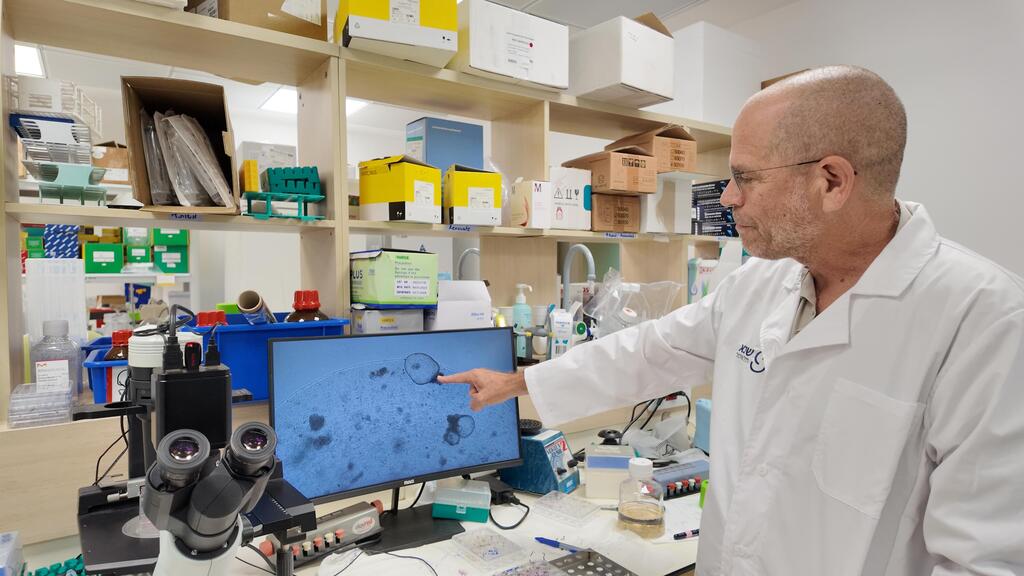
The groundbreaking study was led by Prof. Benjamin Dekel, a world-renowned nephrologist and researcher, director of the Pediatric Nephrology Unit and the Stem Cell Research Institute at Safra Children’s Hospital, Sheba Medical Center and head of the Sagol Center for Regenerative Medicine at Tel Aviv University. He was joined by doctoral candidate Dr. Michael Namestnikov, a physician-researcher graduate of Tel Aviv University’s Medical Faculty, and Dr. Osnat Cohen-Zontag, a research fellow at Sheba Medical Center, as part of Dekel’s research team. Their findings were published in The EMBO Journal.
“We are the first to grow a developing human kidney organoid from tissue stem cells over an extended period,” Dekel said. He explained that this method overcomes challenges associated with pluripotent stem cells, which often differentiate into unwanted cell types, such as brain cells, contaminating the kidney tissue.
Get the Ynetnews app on your smartphone: Google Play: https://bit.ly/4eJ37pE | Apple App Store: https://bit.ly/3ZL7iNv
Another challenge addressed was cultivation time. “Most pluripotent stem cell cultures last about a month before dying,” Dekel said. “But fetal kidneys develop over eight months in the womb, so long-term growth was essential.”
About a decade ago, Dekel’s team isolated kidney tissue stem cells responsible for fetal kidney growth. When cultured, these cells generated kidney tissue over several months, closely mirroring natural development.
The team grew kidney organoids following fetal maturation stages up to the 34th week of pregnancy. Gene expression patterns and intensities in the organoids matched those in natural fetal kidneys, improving on previous models.
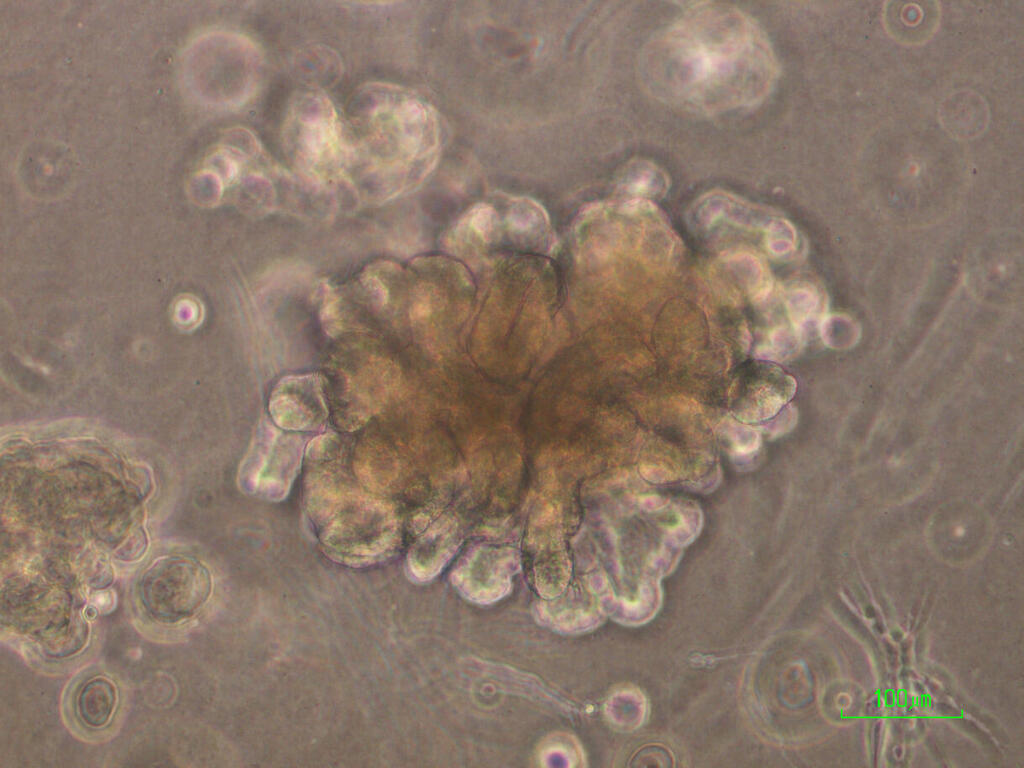
Human fetal kidney cells
This breakthrough opens the door to transplanting lab-grown kidney tissues and offers a new tool for studying congenital kidney diseases, which currently rely on mouse models that differ from humans.
The researchers also demonstrated that specific disruptions in developmental signaling pathways within the organoids caused congenital defects identical to those observed clinically.
Additionally, the organoids provide a platform to test drug toxicity during pregnancy, a field where human data is limited.
Future plans include adding vascular networks to the organoids to better mimic real kidneys, enabling nutrient delivery and drug testing closer to human physiology, potentially reducing animal testing.
“We hope to grow fully sized kidneys in the future,” Dekel said, noting current organoids resemble “mini-organs.” The team also aims to identify regenerative substances that could repair damaged kidneys, lessening transplant needs.
Prof. Dror Haratz, chair of Sheba’s Research Authority, said the achievement highlights Israel’s leading role in global medical science and underscores its significant contributions amid attempts to isolate the country from international research networks.