

A decade ago, hospital leaders measured success mainly by clinical outcomes, research breakthroughs and technological innovation. Today, another question sits at the top of every board agenda: Can your hospital remain fully operational during a large-scale emergency?
Across the world, healthcare systems are investing heavily in preparedness. Wars, terror attacks, cyberattacks, pandemics and climate-related disasters have changed the way governments view hospitals. No longer seen only as centers of care, hospitals are now recognized as critical national infrastructure, expected to keep functioning while treating patients under extreme pressure.
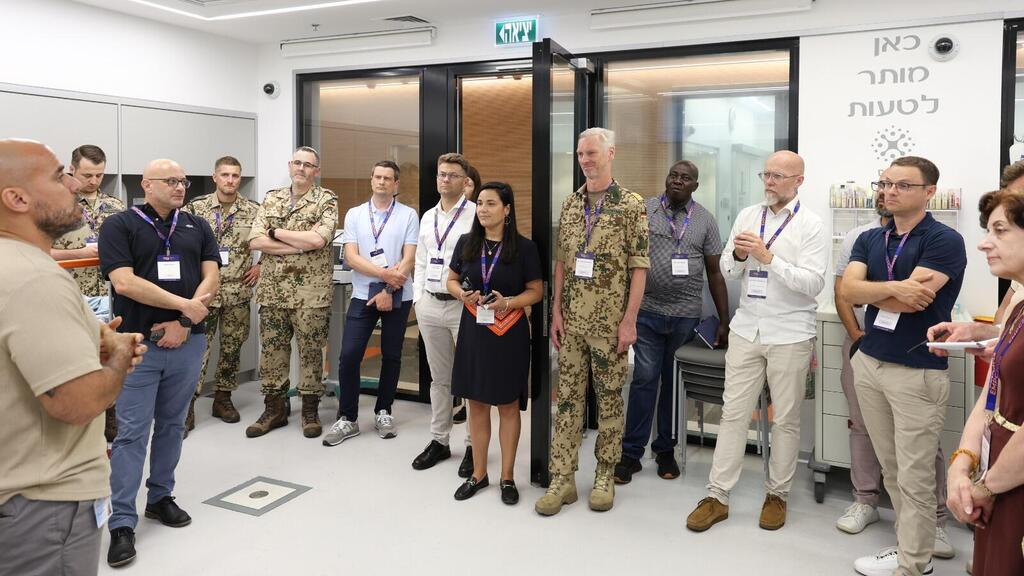
That global shift is bringing healthcare leaders to Tel Aviv Sourasky University Medical Center, Ichilov, this week for the Emergency Management & Preparedness Course. Participants are arriving from hospitals, health ministries, emergency medical services, military medical systems and government agencies across Europe, North America, Asia and Africa.
Their healthcare systems differ, but the challenge is shared: how to prepare for events they hope will never happen.
Unlike traditional conferences, EMPC focuses less on theory and more on practical lessons drawn from real crises. Over three days, participants learn directly from professionals who have led hospitals through mass casualty incidents, prolonged emergency operations and complex national crises while continuing to provide routine and highly specialized medical care.
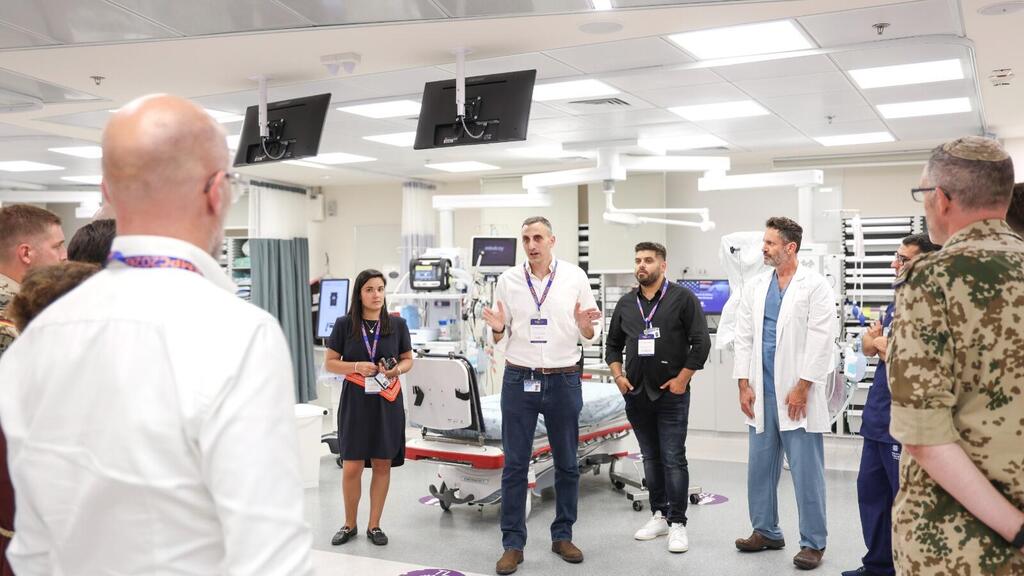
(Photo: Gani Yerushalmi)
The program includes discussions with hospital executives, emergency physicians, nurses, operations managers and government officials. It also includes visits to key parts of Israel’s emergency response system, including Magen David Adom’s national headquarters, Soroka Medical Center and the National Health Emergency Operations Center.
Beyond protected wards, command centers and medical technology, the course highlights something less visible but just as important: resilience is built through coordination. Hospitals, emergency medical services, government agencies and national command centers each have a distinct role, but they must operate as part of one system. Effective preparedness depends on that integration long before the first emergency call is made.
That multidisciplinary approach has become one of Israel’s most valuable areas of expertise. Israeli hospitals have accumulated operational experience that few healthcare systems in the world have faced with such frequency. Each emergency has required rapid adaptation, difficult decisions and constant refinement of procedures, all while maintaining patient care.
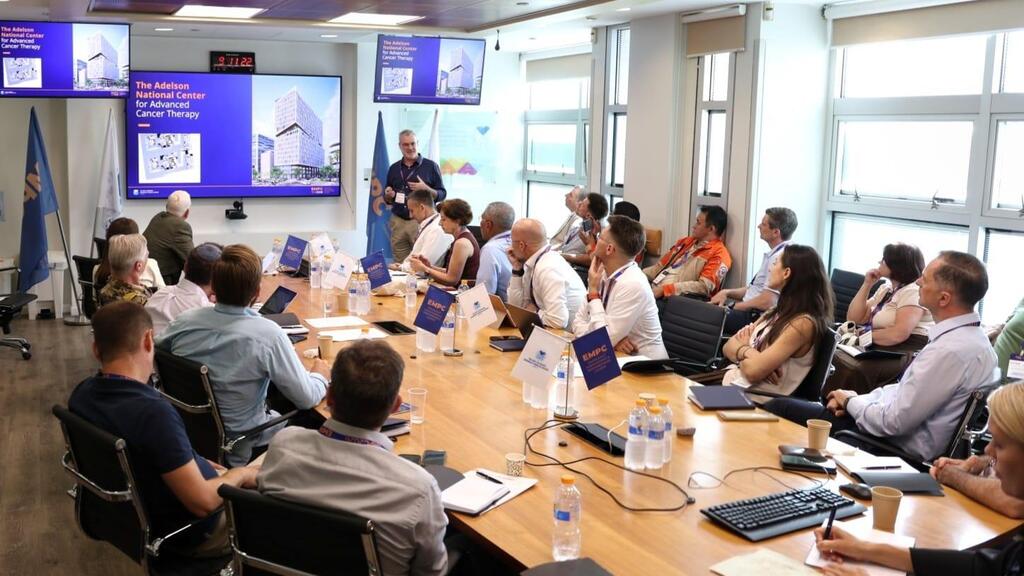
(Photo: Gani Yerushalmi)
Those experiences have transformed preparedness from a theoretical discipline into an operational one.
“Every country faces different threats, but hospitals everywhere ask the same questions,” says Dr. Daniel Trotzky, deputy medical director and director of emergency services and preparedness at Tel Aviv Sourasky University Medical Center. “How do you protect patients while continuing to function? How do you make critical decisions with incomplete information? How do you maintain trust during uncertainty? EMPC was created to openly share what we have learned through experience while learning from colleagues who bring their own perspectives and challenges.”
Equally important is what happens outside the lecture hall. Around the same table sit hospital CEOs, trauma physicians, military medical officers, emergency planners and ministry officials from different continents. Conversations that begin over coffee often continue long after the course ends, creating professional relationships that can become future collaborations, joint projects and channels for exchanging knowledge during real emergencies.
In a world where crises increasingly cross borders, preparedness cannot remain only a national conversation.
EMPC also reflects Ichilov’s growing role as an international reference center for hospital resilience. As governments and healthcare systems place greater emphasis on emergency preparedness, the medical center has become a destination for healthcare leaders seeking practical insight into crisis leadership, continuity of care and emergency management. The course brings those conversations into one room, creating a forum where operational knowledge is shared across borders.
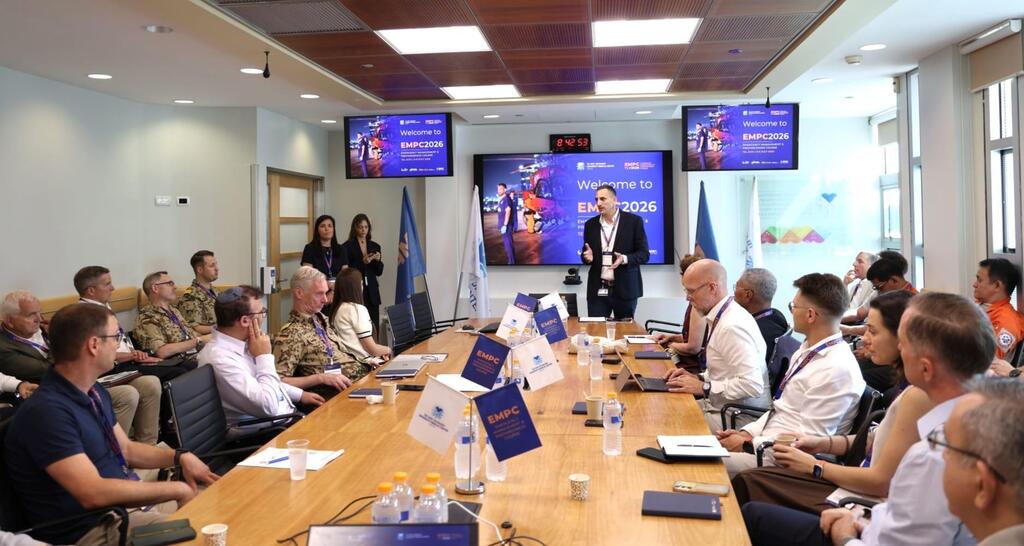
(Photo: Gani Yerushalmi)
“Healthcare has always advanced through international collaboration,” says Prof. Eli Sprecher, CEO of Tel Aviv Sourasky University Medical Center. “Today, resilience has become part of that collaboration. No hospital should have to build its preparedness in isolation. By bringing together healthcare leaders from around the world, we create an opportunity to exchange practical knowledge, challenge assumptions and strengthen our collective ability to care for patients under any circumstances.”
That is why healthcare leaders are traveling to Israel this week: not to find a blueprint that can simply be copied, but to learn from experience, exchange ideas with peers facing similar challenges and return home better prepared for the uncertainties ahead.