

Israel’s health system is continuing preparations for a scenario in which a U.S. strike on Iran triggers prolonged missile fire, forcing civilians to remain in shelters and safe rooms for extended periods.
Although officials say there has been no change in readiness levels, telemedicine has again become a central tool. During the COVID-19 pandemic, and even more so since October 7, health funds have expanded digital services for patients.
Gallery
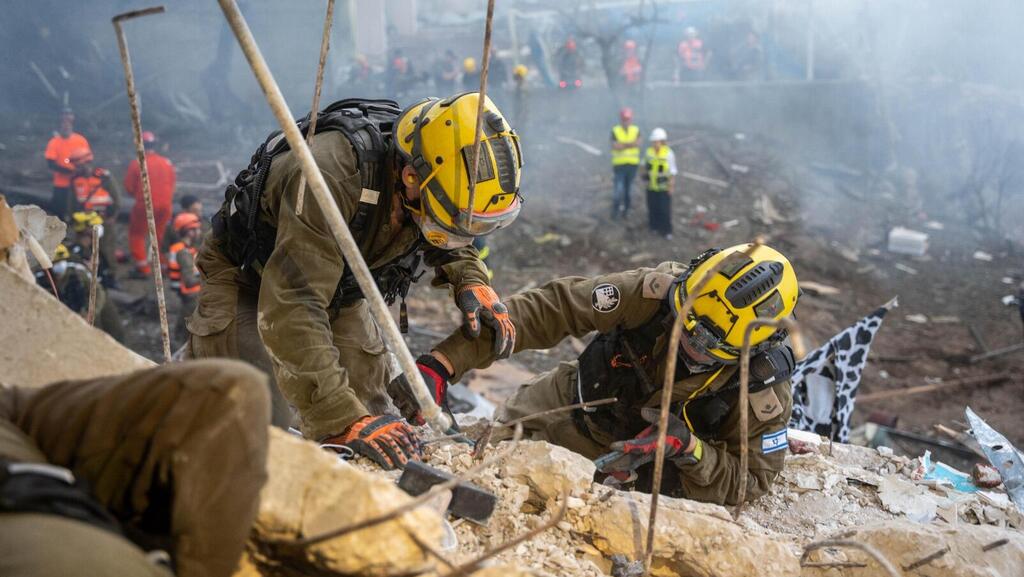
Home Front Command rescue forces at the scene of an Iranian missile impact in Beer Sheva
(Photo: IDF Spokesperson's Unit)
Last month, the Health Ministry circulated updated emergency transition guidelines to hospital directors, health funds and the director-general of Magen David Adom, outlining rapid procedures for shifting from routine to emergency operations. At Assuta Ramat HaHayal in Tel Aviv, a new underground hospital with capacity for about 200 beds was recently established at the ministry’s request.
“We are experienced, and that is a major advantage,” said Ronen Nudelman, deputy CEO and head of community division at Clalit Health Services. “The entire health system, and certainly Clalit, has reduced gaps. If at the beginning there were significant protection gaps, today we have expanded fortified areas by opening new protected facilities or upgrading existing ones. We can now operate more fortified facilities than before.”
Nudelman said that since the previous war with Iran in June, the fund’s ability to provide remote care has advanced significantly. “There is no going back,” he said. “Even in routine times, there are more online services, not only family medicine, pediatrics and dermatology, but also ophthalmology and menopause clinics. We expanded our remote service capabilities.”
He added that technological improvements have made remote care more accessible. “If war breaks out, we prefer that people not move around in the streets. In an emergency, many staff members who normally work face-to-face can provide care from home, in addition to ongoing online services.”
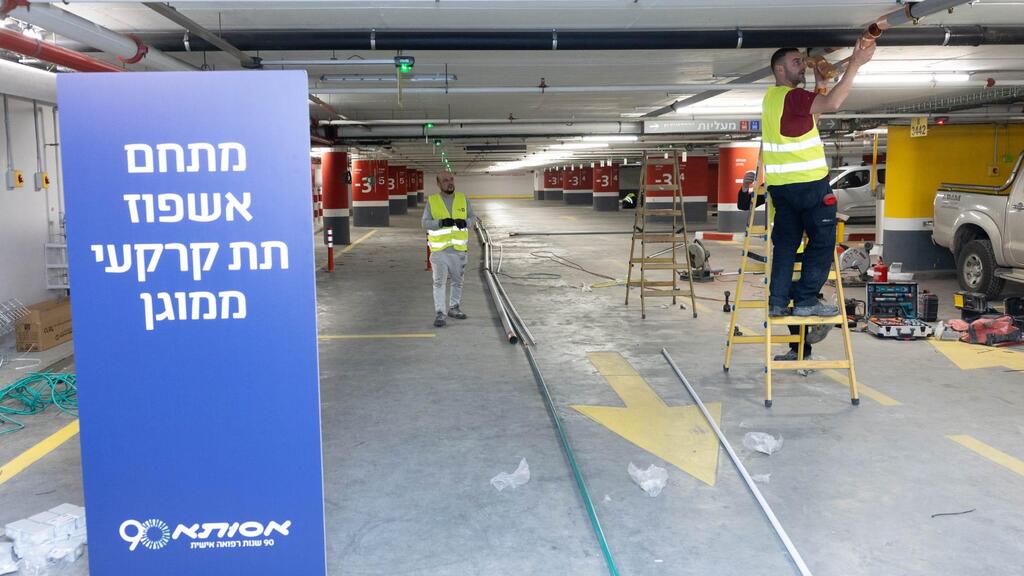
A new underground hospital established at Assuta Ramat HaHayal in Tel Aviv
(Photo: Assuta)
“We are trained and fully coordinated with the Health Ministry, so if a decision is made to raise the alert level, we know how to shift from routine to emergency mode immediately, faster than in the past. We know exactly what needs to be done, and every employee knows where they are required to report,” he added.
Clalit, Israel’s largest health fund, operates about 1,500 clinics nationwide. Depending on the scenario, decisions will be made on which clinics to open. “In the most severe scenario, the clinics that open will operate longer hours, with reinforced staffing and expanded home hospitalization units,” Nudelman said.
Mental health hotlines
Dr. Eran Rotman, deputy CEO and head of the health division at Maccabi Healthcare Services, said the fund is prepared to maintain operational continuity in line with Health Ministry directives and its own emergency procedures.
“We have prepared for a rapid transition from routine to emergency, based on guidelines that will be activated automatically at the outset of war,” he said. “Our goal, as in past emergencies, is to ensure continuity of medical services, including immediate activation of clinics with standard protected spaces, expanded use of telemedicine, activation of mental health clinics and a hotline for psychological assistance for Maccabi members.”
Dr. Rotman said a dedicated plan was formulated for patients with special needs, ventilator-dependent patients and those confined to their homes. The fund is also preparing to absorb patients discharged from hospitals as part of efforts to reduce inpatient loads, relying on its home hospitalization units and teams.
“In addition, we have increased medication inventories in pharmacies and are prepared to activate a home delivery program for those staying in protected spaces and shelters for extended periods,” he said.
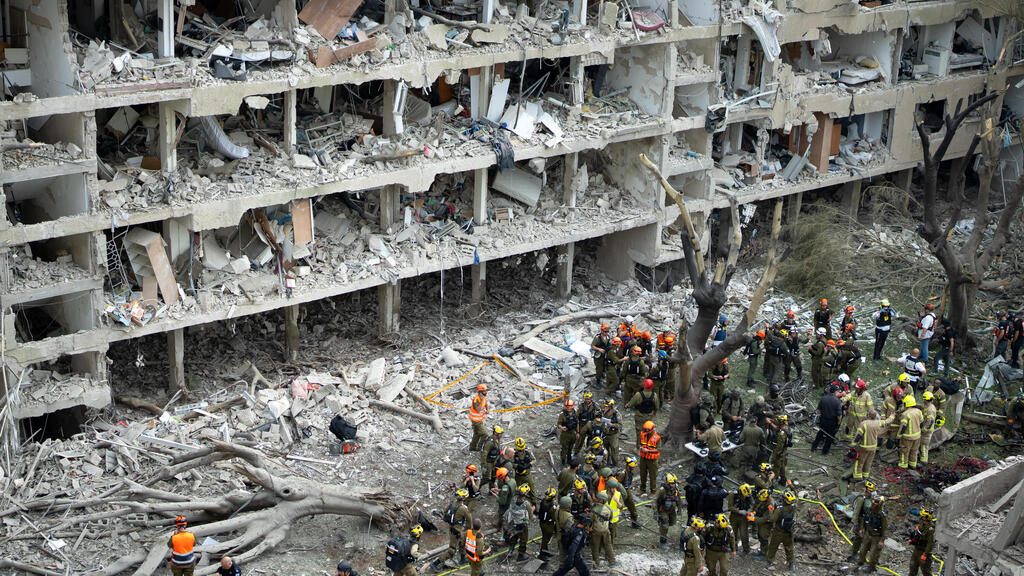
The scene of the impact in Tel Aviv during the Iran war
(Photo: Erik Marmor/Getty Images)
Meuhedet Health Services said it has taken numerous steps to prepare for possible escalation and various emergency scenarios, with the overarching goal of maintaining continuity of care.
Victor Bero, the fund’s emergency director, said Meuhedet will operate in accordance with Home Front Command guidelines, and only clinics with standard protection will open. "The fund is preparing to receive patients discharged from hospitals and has reinforced its home hospitalization unit. It is also preparing for the possibility that some staff members will be called up for reserve duty or will be unable to report to work."
Joint clinics operated by all health funds
“We have a backup plan to prioritize resources under limited manpower and ensure continuity of care,” Bero said. The fund has increased inventories of equipment, medications and laboratory supplies sufficient for about 60 days.
Meuhedet is also preparing to activate joint clinics operated in cooperation with other health funds, which would provide primary care to all insured patients regardless of fund affiliation, subject to Health Ministry approval.
The fund is expanding remote services, including online physicians, pregnancy support centers, mental health hotlines, nurse call centers, hybrid urgent care and pediatric services. In an emergency, remote services will be further expanded. Nurse call centers will operate extended hours and serve as triage for physicians, who will work on digital platforms from home.
Leumit Health Services said it held a nationwide preparedness meeting last week ahead of a possible escalation. The main focus, it said, is managing patients discharged from hospitals and transferring them to community care. Home care units have been reinforced, including outreach to recently discharged patients to coordinate follow-up treatment. The fund will contact homebound patients directly.
Clinics with standard protection have been mapped, and patients will be redirected there if local clinics are closed. Leumit said it is preparing for scenarios involving evacuees from buildings damaged by missile strikes. Depending on the area, the fund will contact evacuees, assess needs and coordinate health services with the hotels to which they are relocated. An emergency call center will assist evacuees, and a dedicated hotline staffed by social workers will provide support for anxiety victims.