

During the war sparked by Hamas’ Oct. 7 attack, the company faced employee evacuations, military reserve call-ups, canceled contracts and financial strain. Now, RCK, a company based at Kibbutz Ruhama in western Negev, is unveiling a technology that enables more uniform and stable cultivation of medical cannabis. The development has already led to a 17.5-fold increase in output — a breakthrough expected to affect the industry broadly and contribute to the regional economy.
The company’s chief scientist, Dr. Silit Lazare, 46, a resident of Kibbutz Saad near Gaza, is behind the new development, which will be presented at the “Sowing the Future” conference. The event, led by the Agriculture and Food Security Ministry and taking place Tuesday, is dedicated to women leading Israeli agriculture on the front lines.
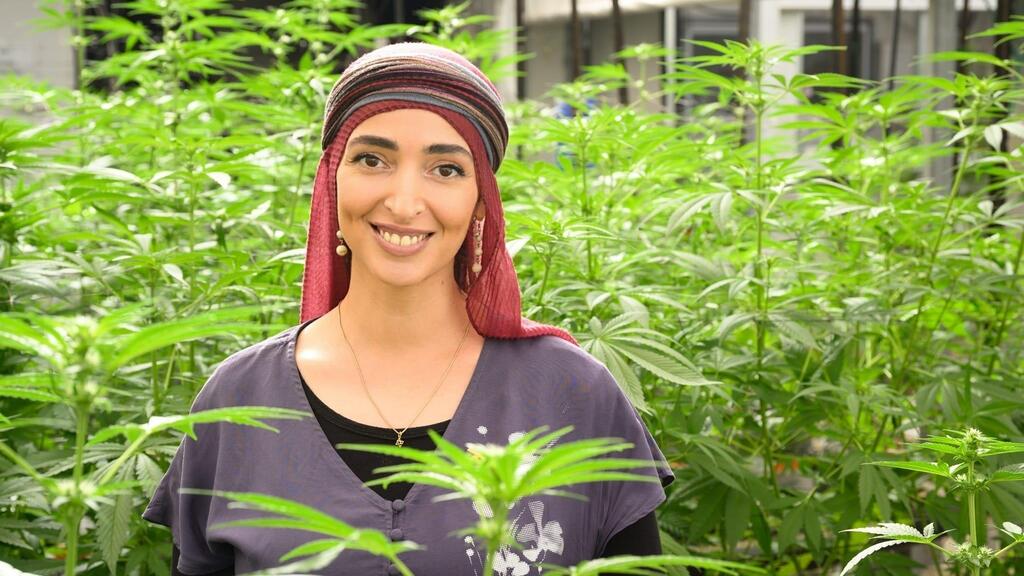
At the center of the development of the company’s so-called “turbo cannabis” are advanced hybrid seeds created by crossing two different strains. The seeds allow for more uniform and stable cultivation while significantly improving yields and disease resistance. The new technology led to a 17.5-fold increase in production alongside a roughly 70% reduction in waste during manufacturing processes. The result, of course, is greater profitability for the Kibbutz Ruhama-based company.
When the war broke out, most of the company’s employees were evacuated from their homes, called up for reserve duty or stranded abroad and unable to return to Israel. The company’s operations were severely affected, leaving it with only about 30% of its workforce. Despite this, RCK continued operating its farm and laboratories under emergency conditions. It recruited temporary workers, conducted accelerated training programs and made adjustments aimed at maintaining its research and agricultural activity.
The war also led to the cancellation of international contracts and difficulties raising investment capital, threatening the company’s continued operations. Now, the company’s owners hope the gradual stabilization of the Israeli economy and international exposure for the technology will help return the company to a path of growth.
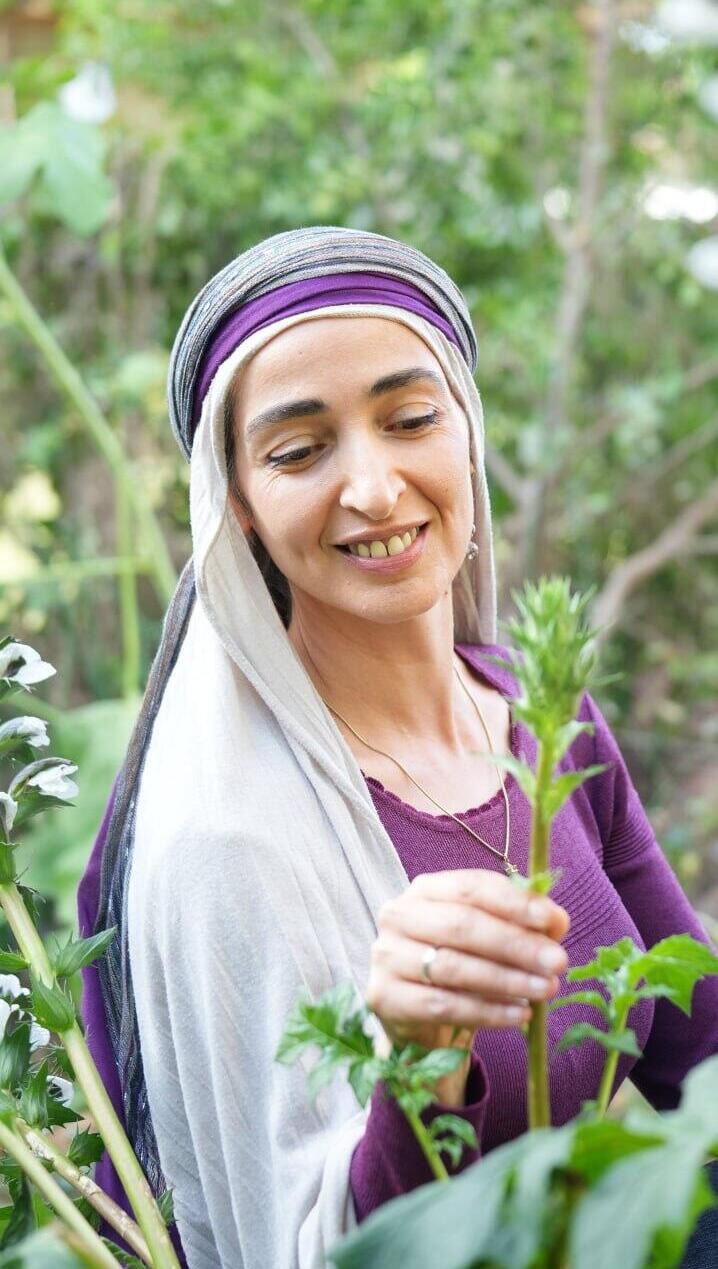
Dr. Silit Lazare with a cannabis plant
(Photo: Tomer Shunem Halevi )
Lazare explained that seeds have a longer shelf life than seedlings.
“Most industrial crops use hybrid seeds, such as tomatoes and peppers, but the cannabis genome is very different,” she said. “People laughed at us and said it was impossible to create hybrid cannabis seeds.”
The development process took seven years, followed by the creation of a commercial-scale seed production system.
“It was a bit like reinventing the wheel because almost nobody produces hybrid cannabis seeds,” she said. “We are one of only four companies in the world, and one of those companies even signed an agreement with us to manufacture seeds for them. We are now in the commercial pilot stage and shipping seeds to customers around the world.”
The personal tragedy
Originally from Moshav Sharsheret, Lazare grew up in an agricultural family. She studied agronomy at the Faculty of Agriculture and joined a nursery at Kibbutz Saad before completing her undergraduate degree.
A year before finishing her postdoctoral studies, her mother died of pancreatic cancer.
“After seeing how much cannabis helped my mother, I realized the plant deserved professional attention from me,” Lazare said. “I started reading and looking for a place where I could see the plant in practice and understand it better, and that’s how I arrived at the company in Kibbutz Ruhama. I was grieving deeply at the time, and after finishing my postdoctorate I returned to the field and established the company’s scientific department. They supported the breeding and cultivation efforts.”
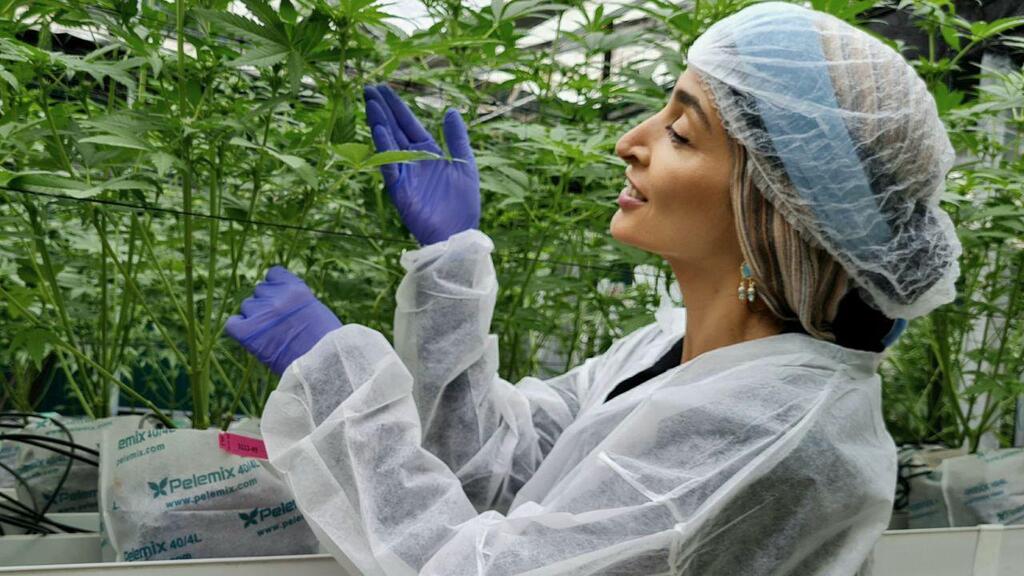
(Photo: David Garb)
“On Oct. 7, with employees evacuated and others called up for reserve duty, it was very difficult,” she added. “We assembled an emergency team and also had tremendous cooperation with the Medical Cannabis Unit at the Health Ministry and with the Agriculture Ministry, which allowed us to maintain continuity as an export nursery. In the first months, the war zone was declared a closed military area, and I traveled from the Dead Sea hotels where my family had been evacuated. But we still managed to meet all our goals that year.”
RCK’s development could help the industry cope with the sharp rise in demand for medical cannabis while improving the quality of agricultural output.
According to Agriculture and Food Security Ministry data, Israel has only 350 dunams (about 86 acres) of land dedicated to medical cannabis cultivation, operated by 33 growers. To address demand and labor shortages, Israeli police and the Agriculture, Health and National Security ministries recently approved, for the first time, the employment of foreign workers at medical cannabis farms in Israel.