

Beets are known as one of the traditional symbolic foods of Rosh Hashanah, the Jewish New Year. But behind their deep color and sweet flavor is a versatile vegetable that can be incorporated into salads, soups, cooked dishes and even baked goods. The leafy greens, known as Swiss chard, also offer plenty of possibilities in the kitchen, along with nutrients worth knowing about.
Despite their appearance and sweet flavor, beets are more than just a colorful addition to the holiday table. They contain a variety of nutrients that may contribute to a balanced diet. Swiss chard, which often receives less attention, can also play a significant role in a dish. So what is the connection between beets and Swiss chard, what nutritional benefits do they offer and what should you know before cooking them? Here are 10 things worth knowing:
Beets and Swiss chard are relatives
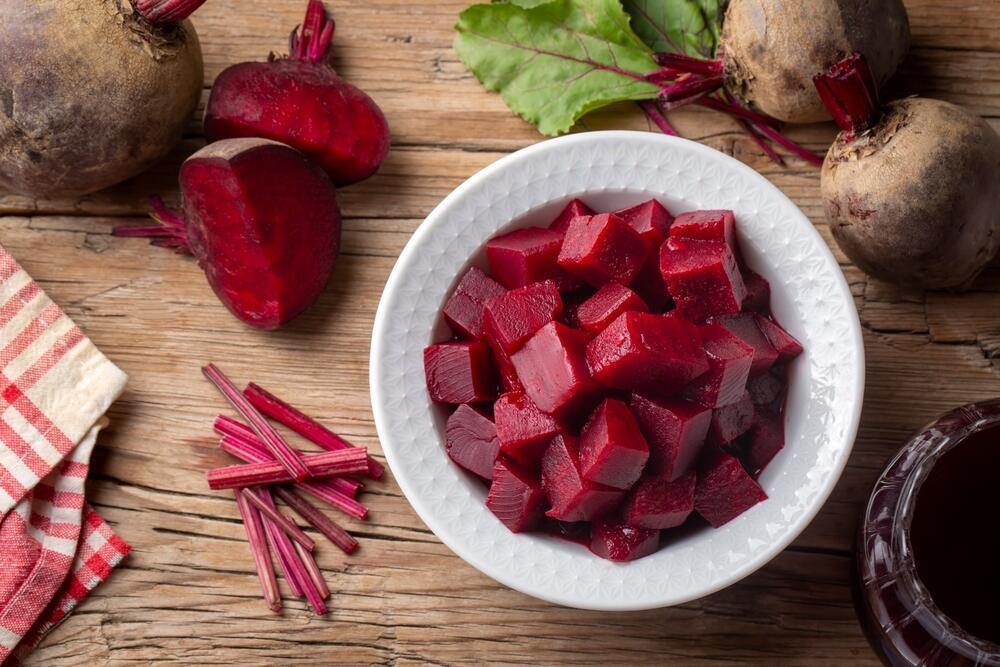
Beets and Swiss chard belong to the same botanical species but have been cultivated for different purposes. With beets, the emphasis is on the round, colorful root, while with Swiss chard, the leaves and stalks are the main attraction. They can therefore be thought of as members of the same family, each offering different flavors and culinary uses.
Their deep color comes from natural pigments
The red-purple color of beets comes primarily from pigments known as betalains. These are naturally occurring plant compounds with antioxidant activity. However, it is important to remember that eating any particular vegetable is not a medical treatment and the main benefit comes from incorporating a variety of vegetables into the diet.
They're sweet but still a vegetable
The sweet taste of beets can sometimes lead people to think they are particularly high in sugar. In fact, fresh beets contain a moderate amount of naturally occurring sugar, along with water, dietary fiber, folate, potassium and plant compounds. As with any food, portion size and preparation method matter.
Beets may support blood flow
Beets contain naturally occurring nitrates, which the body can convert into nitric oxide, a substance that helps relax and widen blood vessels and may therefore contribute to improved blood flow. Researchers have consequently studied the effects of beet consumption on blood pressure and physical performance. However, findings have been mixed and depend on the amount consumed and an individual's health.
Don't skip a squeeze of lemon
(Photo: Shutterstock/Kabachki.photo)
The leaves deserve a place in the pot, too
Swiss chard leaves provide vitamin K, vitamin A, vitamin C, magnesium, potassium and other plant compounds. Instead of treating them merely as an addition to another dish, they can serve as the basis for a dish of their own.
You don't have to cook beets for hours
Beets can be eaten raw and finely grated, roasted in the oven, steamed or boiled. Roasting brings out their natural sweetness, while serving them raw adds crunch. The longer they are boiled in water, the more some water-soluble nutrients may leach into the cooking water.
Try the stalks, too
There's no need to throw away the stalks. They require slightly more cooking time than the leaves, so it is best to separate them, sauté the stalks first and add the leaves afterward. This makes use of the entire vegetable and reduces food waste.
Don't be alarmed the next day
(Photo: Shutterstock/New Africa)
Lemon does more than add flavor
Adding lemon or another source of vitamin C to a dish containing Swiss chard can help the body absorb the plant-based iron found in the leaves. Olive oil, garlic and lemon make a simple dressing that also works well for a holiday meal.
The red color may surprise you even after the meal
For some people, eating beets can turn urine or stool pink or red. This is a known phenomenon that is generally harmless.
They're not just for salads
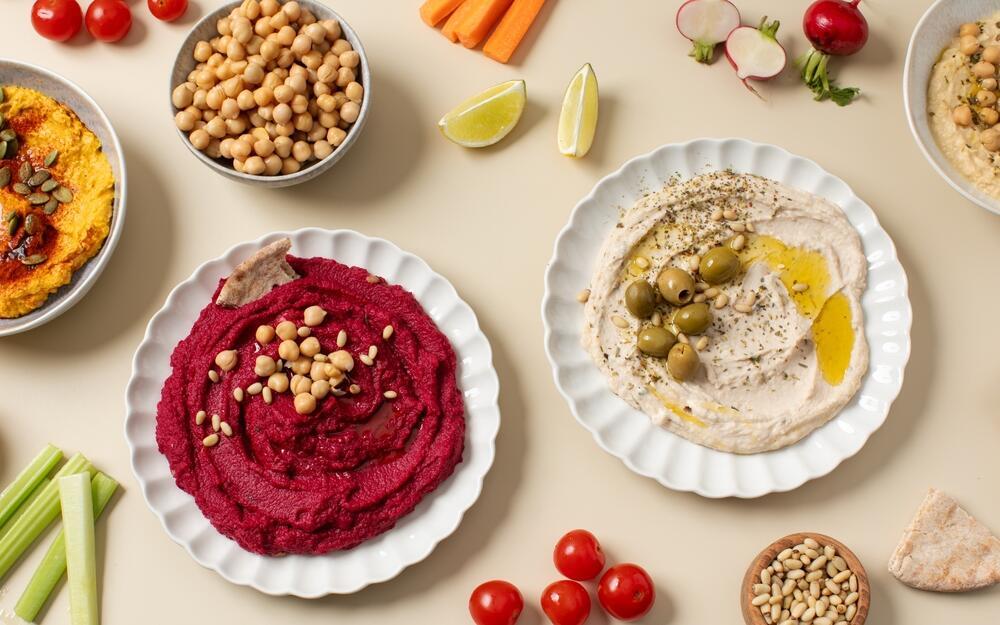
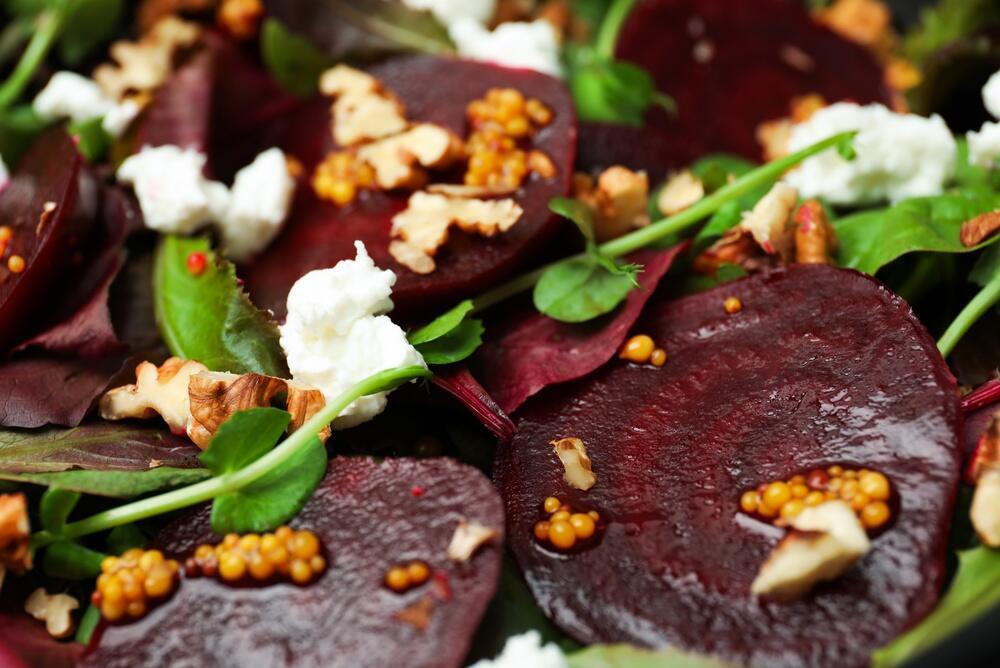
Beets work well in a salad with apples, pomegranate seeds and nuts, in beet kubbeh, spreads, soups, vegetable patties or simply roasted as a side dish. Swiss chard can be sautéed with garlic and lemon, incorporated into fillings for savory pastries or added to legume and grain dishes.
The writer is a senior instructor at Heli Maman, an Israeli healthy-lifestyle support network.