


Adolescence has always involved emotional upheaval and difficult challenges. When those pressures unfold against the backdrop of Israel’s turbulent reality, the consequences can be severe.
Over the past seven years, Israeli teenagers have faced a succession of crises, from the COVID-19 pandemic and the social isolation it imposed to the atrocities of October 7, the war that followed and rounds of fighting with Iran.
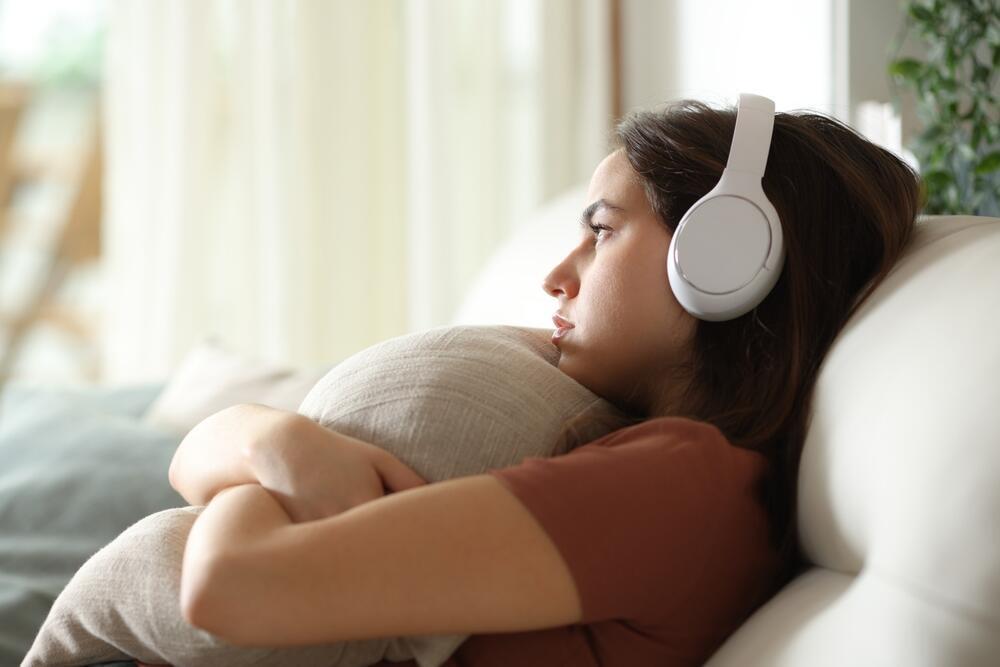
A new study now points to significant damage to the mental, social and functional well-being of young people across the country.
The study, “The Impact of the COVID Period and the Swords of Iron War on the Lives of Israeli Teenagers,” was conducted as part of the World Health Organization’s multinational 2025 Health Behaviour in School-aged Children survey.
Researchers from Bar-Ilan University, working with the Education and Health ministries, surveyed 7,424 students in grades seven through 12 nationwide. The findings indicate that the effects of recent years continue to weigh heavily on Israeli youth. At the same time, they highlight the role of schools, families and social ties as key sources of resilience.
Lead researcher Prof. Yossi Harel-Fisch of Bar-Ilan University’s School of Education, together with researchers Prof. Sophie Walsh and Prof. Meyran Boniel-Nissim, found that more than a quarter of students reported experiencing at least two psychological or physical symptoms almost every day, including irritability, low mood, sleep difficulties, headaches, stomachaches and dizziness.
The gap between boys and girls was particularly pronounced. “Boys and girls respond differently to prolonged exposure to war and emergencies,” said Prof. Yossi Harel-Fisch of Bar-Ilan University’s School of Education, the study’s lead researcher.
“Among girls, there is a much sharper rise in symptoms of post-trauma and emotional distress, while among boys, distress is more likely to appear through externalized behavior and risk-taking.”
According to Prof. Harel-Fisch, girls are more likely to internalize distress, which is reflected in higher rates of post-traumatic symptoms, anxiety, depression and emotional difficulties. Among boys, distress is more frequently expressed through excessive alcohol consumption, smoking, drug use, involvement in violence and other dangerous behavior. “Detection, prevention and intervention must therefore be adapted by gender,” he said.
The symptoms used by researchers as indicators of psychological distress were divided into two categories. Somatic symptoms include physical complaints such as headaches, stomachaches and sleep difficulties. Psychological symptoms include irritability, fatigue, low mood and similar feelings.
Students reporting two or more of these symptoms met the study’s definition of psychological distress.
Prof. Harel-Fisch said that even during difficult periods over the past three decades, researchers had never observed changes this dramatic or effects this extensive on children’s daily lives.
“We were shocked by the high rates of children living with post-trauma,” he said. “They are growing up through an unprecedented sequence of national crises, beginning with the COVID pandemic, continuing through periods of security instability and culminating in the Iron Swords war and its ongoing consequences.”
 Prof. Yossi Harel-FischPhoto: Bar-Ilan University
The study also found a strong connection between exposure to frightening wartime events and excessive alcohol use. Students exposed to four or more incidents of fighting were 5.39 times more likely than others to be at risk of heavy drinking.
Parental presence as protection
According to Prof. Harel-Fisch, support from parents, teachers and other significant adults is the most important protective factor. “Children who experienced terror attacks or fighting and had an adult who was there for them, spoke with them and gave them a sense of security coped better than children who were left without such a figure,” he said.
“Parents and teachers are also under stress, but they need to understand how meaningful their presence is and that they are the strongest source of resilience.”
Strengthening protective factors, he added, is not merely a way to shield children from emotional distress but one of the most effective forms of intervention. These factors include parents’ involvement in their children’s daily lives, family cohesion, open communication, positive experiences at school and in the community, and structured leisure time that reduces loneliness and dependence on screens.
Together, they can improve the mental health, functioning and quality of life of children and teenagers in Israel.
Einav Luk, director of the Education Ministry’s Psychological and Counseling Service, said the prolonged emergency was affecting children and teenagers and that exposure to war had clear consequences for their emotional well-being.
“At the same time, we are also seeing the resilience and strength shown by children and teenagers during the emergency,” she said. “Young people volunteered, led social initiatives and demonstrated extraordinary civic responsibility and resilience.”
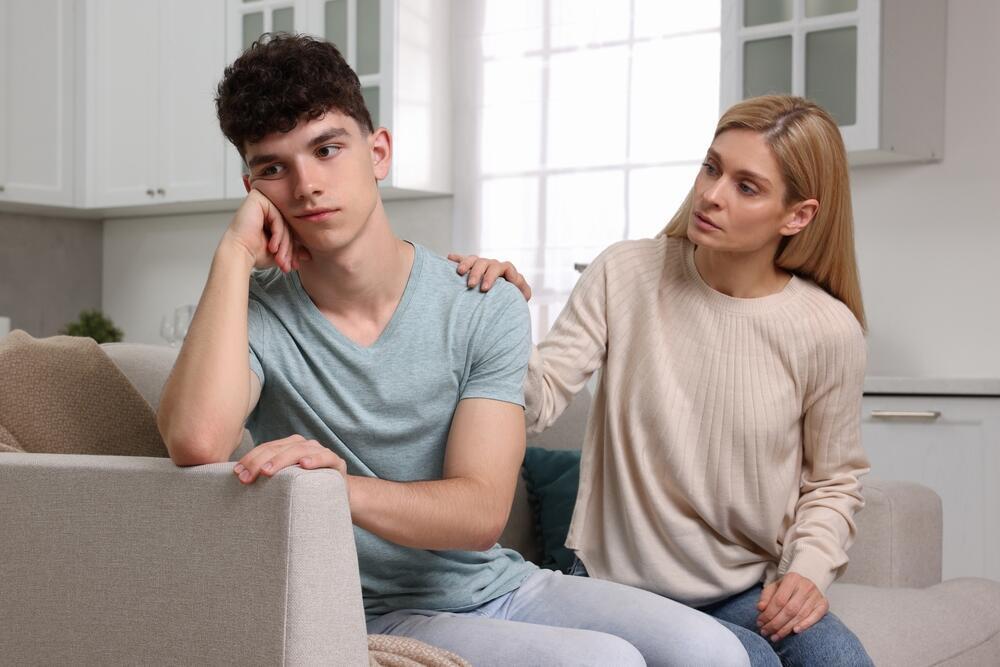
Parents can play a powerful role in recovery
(Photo: Shutterstock)
Luk said the ministry was operating programs to strengthen resilience, belonging and social involvement while preventing risky behavior. It is also reinforcing counseling and psychological teams to provide emotional and therapeutic support to children and teenagers in distress, including during the summer vacation.
“The summer break offers an opportunity for respite while maintaining protection and preventing risk,” she said. The Education Ministry’s Kol LeKulam hotline will continue operating throughout the summer, providing students and parents with emotional and social support from professionals in the ministry’s Psychological and Counseling Service.