

Many people suffer from skin conditions characterized by itching and dryness, which worsen in the winter due to the cold. This year, the stress and anxiety stemming from the war may lead to a further increase in severity. Dr. Alina Lozinski of Sheba Medical Center explains the phenomenon and its surprising link to the 2011 Japan earthquake.
The skin is the body’s outer covering and is affected by internal and external factors. Environmental changes, such as seasonal shifts, can cause certain skin diseases to flare up, while other weather conditions may provide relief. Not only do temperature and humidity play a role, but stress and anxiety can also frequently worsen the symptoms of skin diseases, and sometimes even trigger their onset.
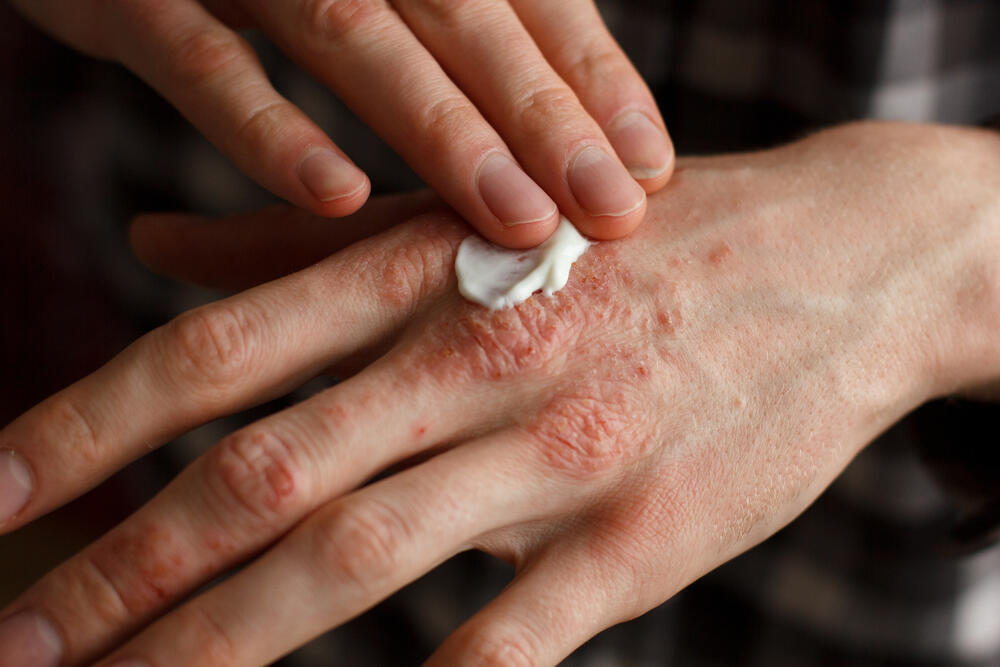
Atopic dermatitis
One of the most common skin diseases is atopic dermatitis (also known as “skin asthma”). Atopic dermatitis belongs to the group of inflammatory skin diseases and is characterized by symptoms like dry skin and a rash, accompanied by sometimes unbearable itching.
This disease can appear at any age but is especially common in children. In most cases, atopic dermatitis tends to go into remission by adolescence, but up to 10% of the population may continue to suffer from significant symptoms into adulthood.
Outbreaks after adolescence are more common in women and sometimes even occur during pregnancy due to hormonal changes and their effect on the immune system.
Atopic dermatitis is more common in the Western world (affecting up to 30% of children) and is typical in urban populations. Common triggers that can worsen symptoms include stress and anxiety.
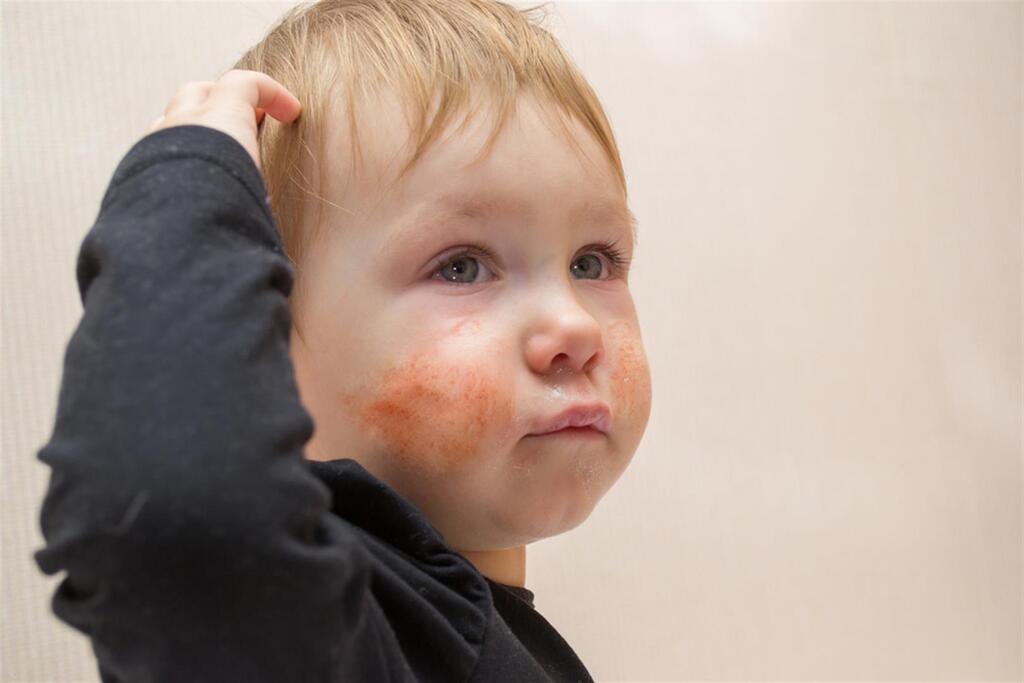
Atopic dermatitis, also among children
(Photo: Shutterstock)
Low temperatures and limited exposure to sunlight are known to cause flare-ups, which is why one accepted treatment option is phototherapy - controlled exposure to UV radiation. Conversely, some patients find that the humidity typical of Israeli summers is what makes their symptoms worse.
Atopic dermatitis is a diverse disease, as is its impact on patients. Some experience symptom flare-ups in the winter, while others suffer in the summer. Generally, most patients report that the feeling of itching is the most severe symptom, often significantly disrupting sleep quality and continuity.
Treatment
Treatment is multi-layered. Since the disease tends to flare up on dry skin, it is crucial to use highly effective products for moisturizing and maintaining skin hydration.
In more severe cases, specialized creams can be added. Some of these creams contain steroids and are intended for acute flare-ups, with use limited to short periods. As mentioned, phototherapy using UV radiation may be recommended in select cases.
In the last decade, several innovative biological and immunomodulatory drugs have been developed. These medications are administered via subcutaneous injections or pills and work specifically against the molecules that cause the inflammation and itching characteristic of the disease.
These treatments have long proven their efficacy in achieving remission in symptoms. They offer new hope for atopic dermatitis patients, managing the disease during winter and summer, and through periods of both stress and calm, essentially allowing them to lead their lives alongside the condition.
Psoriasis
Psoriasis is an inflammatory skin disease. Contrary to popular belief, it is not contagious. Psoriasis is characterized by increased activity of the immune system, leading to inflammation, uncontrolled proliferation, and abnormal differentiation of skin cells.
Clinically, this process manifests as the formation of thickened, red plaques covered with a layer of coarse, silvery scales. The prevalence of the disease is estimated at approximately 1% to 3% of the total population.
Psoriasis is closely associated with other systemic illnesses, including an increased tendency toward metabolic syndrome and its various components: a predisposition to high blood pressure, high blood lipid levels, diabetes, and heart disease. About one-third of patients with moderate to severe disease will also develop characteristic psoriatic arthritis, and in rarer cases, even inflammatory bowel disease.
When psoriasis is not properly treated, patients are at increased risk for cumulative psychological and functional damage, stemming partly from social stigma.
The fear of rejection causes many psoriasis patients to often avoid going to the beach or visiting a gym. Furthermore, a long-neglected disease may respond less effectively to the same treatments compared to patients who begin treatment soon after symptoms appear.
Many new treatments have also been introduced for psoriasis in recent years, most of them biological. They are given as subcutaneous injections that are easy for the patient to administer at home and with a low frequency.
All these advancements help achieve control over the disease, sometimes resulting in complete clearance of the skin, while significantly reducing side effects.
Seborrhea
Seborrhea, or seborrheic dermatitis, is a relatively common chronic skin inflammation, affecting up to 5% of the population. The disease is caused by overactivity of the sebaceous glands in the dermis. The peaks of incidence are typically during infancy and in adulthood (starting from the fourth decade of life). The disease is more frequent in men and in high-risk populations, such as the immunocompromised and Parkinson’s patients.
Seborrhea usually worsens in cold weather and/or when exposed to low temperatures. Symptoms include a reddish rash, typically covered with fine scales, often on the scalp, central face, and chest.
 Dr. Alina LozinskiPhoto: Dudi Lazar
Treatment for seborrhea primarily targets the loosening of scales and drying the skin, using topical products, including specialized shampoos and antibiotic creams.
Stress and worsening skin diseases
The link between stress, anxiety, and the exacerbation of skin diseases has been known for many years. Although it is clear that "the skin is a mirror of the soul," researchers have faced significant difficulty conducting controlled experiments to prove a cause-and-effect relationship.
Nevertheless, medical literature contains evidence that severe stress greatly impacts the worsening of skin diseases. For example, a study published following the 2011 magnitude 9.0 earthquake and devastating tsunami in Japan showed that children exposed to the event experienced a higher incidence and a more severe clinical course of both atopic dermatitis and bronchial asthma, not only immediately following the event but also several years later.
These studies clearly demonstrated a causal link between severe stress and the onset of skin diseases, even years after the initial trauma.
Not only stress but also seasons affect skin conditions. While every patient is affected differently, it is generally accepted that the cold weather in winter and lack of sun exposure intensify the symptoms of many skin diseases.
Therefore, the current period, with stress and anxiety due to the war, coupled with exposure to low winter temperatures, increases the likelihood of skin disease symptoms worsening.
Even if you are diligent about moisturizing and hydrating your skin, it is essential to remain vigilant, not ignore symptoms, and consult a specialized dermatologist.
- The author is an expert in dermatology at Sheba Medical Center.