

A state-of-the-art fortified hospital tower, 300 housing units and 80 hotel rooms: The Southern District Planning and Building Committee, headed by Oded Plus, has approved the development plan for Soroka Medical Center in Be'er Sheva. The plan is intended to address gaps and needs that became sharper after the hospital was hit by a missile during Operation Rising Lion, and to strengthen the medical center’s hospitalization capacity, protection and operational capabilities in both emergencies and routine.
The committee discussed the various objections to the plan Monday night and approved it subject to several conditions. Once those conditions are met, the plan will receive official validation and building permits can be issued.
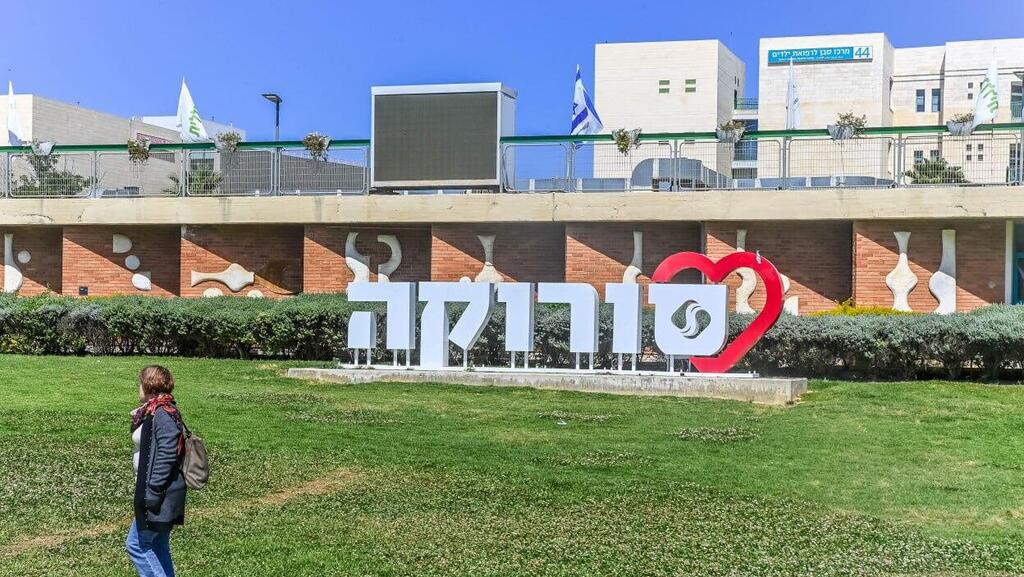
The plan includes the construction of an advanced, fortified 11-story hospitalization building to be called the "Revival Building," along with three towers of up to 30 stories that will include 300 special housing units for medical staff, 80 hotel rooms, medical institutes and commercial and employment space.
"This is truly moving, amazing news that strengthens the connection between the city of Be'er Sheva and the hospital," says Prof. Shlomi Kodesh, director of Soroka University Medical Center. "Soroka was founded in the 1950s, far from the city of Be'er Sheva, in the middle of the desert, and over the years became located in the middle of a city that grew around us. This plan integrates the hospital more strongly into the urban fabric. We are not just a hospital people enter when they are sick, but something alive that breathes with the city."
According to him, the plan also joins an innovation project being advanced at the hospital in cooperation with the Be'er Sheva Municipality and Ben-Gurion University. "The urban connection is very unique to Soroka. With this plan — the location and the strategic connections — we will become a leading player in this respect. It is moving to think about what will go through the mind of someone walking around the hospital in about a decade."
The development plan comes against the backdrop of the Iranian missile strike on the hospital during Operation Rising Lion about a year ago, the most severe strike ever sustained by an Israeli hospital. The missile caused extensive damage to the northern surgical hospitalization building, which included inpatient wards, an operating room complex, clinical and research laboratories, health professions units and offices. Eight of the hospital’s 19 operating rooms were completely shut down, the research and laboratory floor was entirely destroyed, and departments were forced to move to other buildings and function under difficult conditions for a prolonged period. Nearby buildings and vital infrastructure also suffered heavy damage.
Fortunately, there are donors
For many months, the hospital struggled to secure funding for reconstruction. Only last November, four months after the missile strike, the government approved the allocation of 360 million shekels for the hospital’s rehabilitation and fortification, with the aim of enabling the construction of the Revival Building. The amount approved by the government is only about one-third of the estimated budget for building the new tower. At the same time, the hospital received a $100 million donation from businessman and philanthropist Sylvan Adams. The remainder is expected to be covered by Clalit Health Services and additional donors.
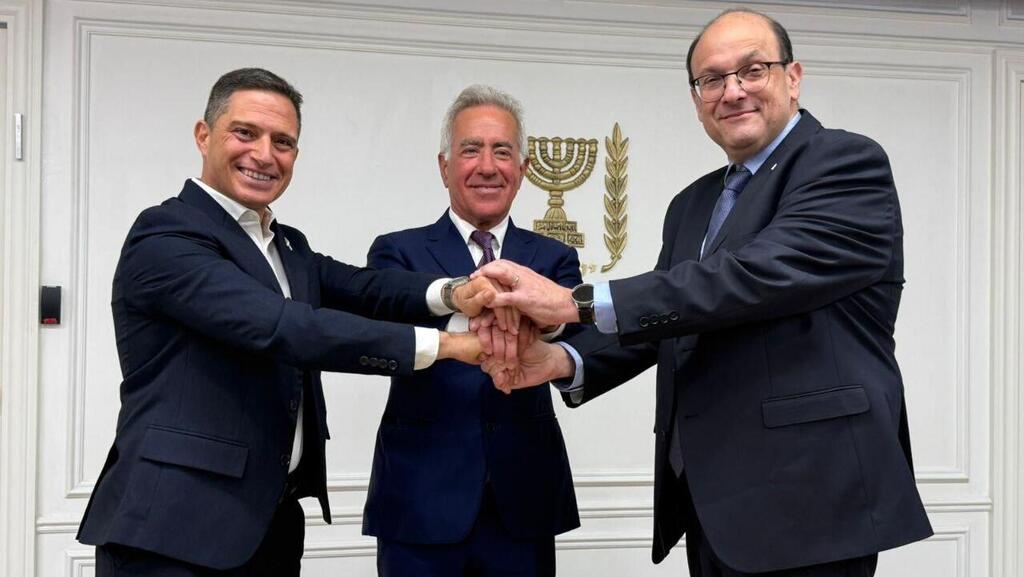
From right to left: Ruvik Danilovich, Sylvan Adams and Prof. Shlomi Kodesh
(Photo: Prime Minister’s Office)
The current plan, approved by the district committee, was submitted by Clalit Health Services and covers a total area of about 45 dunams in the western part of the hospital, in the zone between the hospital and Rager Boulevard, most of which currently consists of parking lots. The plan stretches along Rager Boulevard from Ben-Gurion Street in the north to Wingate Street and the emergency room entrance in the south, and is expected to significantly develop the entire area. The plan was prepared by Oka Architects.
The plan proposes construction totaling about 230,000 square meters, including 140,000 square meters of employment space and 6,500 square meters of commercial space. It will also include commercial frontages facing nearby streets and the creation of an active urban space along the boulevard. Lower construction is proposed in the center of the complex due to the need to maintain optimal access to helicopter landing pads — a need that became especially clear during the war.
Oded Plus, chairman of the Southern District Planning and Building Committee, said: "This is a significant plan covering 45 dunams in the heart of the metropolis, an area that is not currently being used optimally. The plan will advance the development of the hospital alongside the development of Rager Boulevard, as part of the continuation of the surrounding urban sequence and as a complementary frontage to the development trends on the western side of the street."
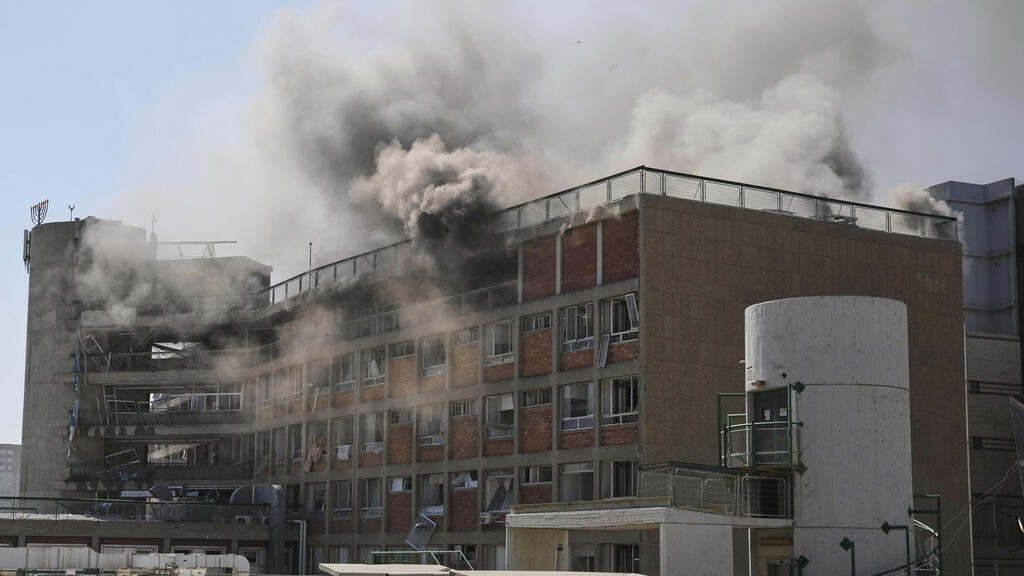
The strike on the hospital led to the expansion of the new hospitalization tower
(Photo: AP Photo/Leo Correa)
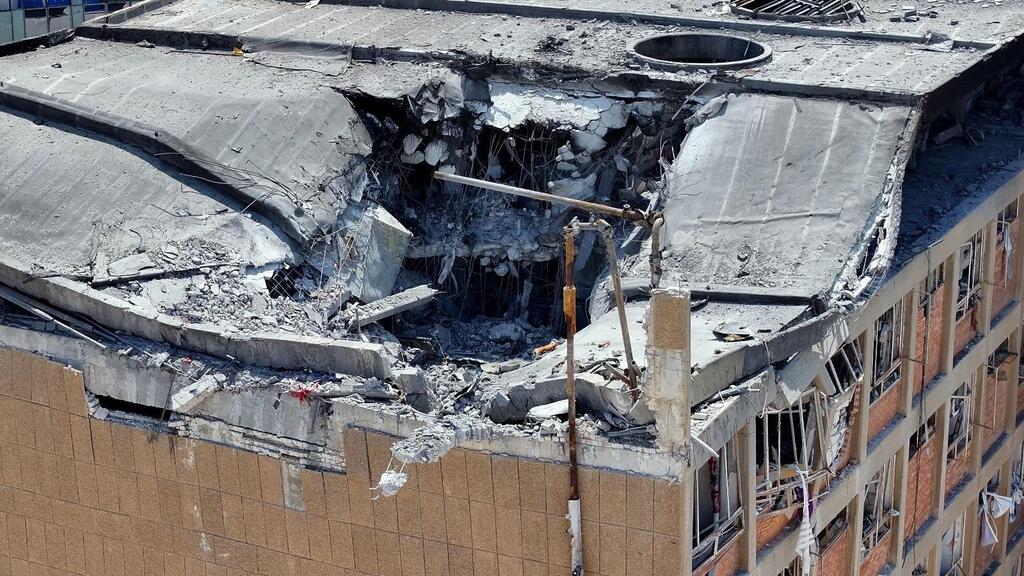
The massive damage caused to Soroka Medical Center by the Iranian missile
(Photo: Soroka spokesperson’s office)
Michal Meril, the Southern District planner at the Planning Administration, added that the plan would serve as a significant catalyst for advancing the proposed development of Rager Boulevard, in line with the vision of Be'er Sheva’s master plan. "The plan ensures the continued growth of the hospital, as the largest hospital in the Negev and one of the leading hospitals in the country."
According to Prof. Kodesh, work on the plan began several years ago, even before October 7 and the Swords of Iron war. "The Iranian missile strike on Soroka accelerated the plan, and as a result, the planned Revival Building will be larger and taller. This plan more or less doubles the hospital’s built-up area."
Kodesh said work began this week on restoring the northern operating rooms destroyed in the missile strike and rebuilding the ruined floors in the northern surgical building, alongside the construction of two additional floors in the southern surgical building that will provide space for additional inpatient departments. "It took time, but work is beginning."
'This has to happen'
According to him, funding for the Revival Building is moving forward with the government and donors. "This is a project on an enormous scale. There are not many projects like this, and it is hard to say how long it will take. We estimate that construction of the Revival Building will take six to seven years," Kodesh says. "We are counting on things moving forward properly. It will happen, it has to happen. Not tomorrow, and that is fine."
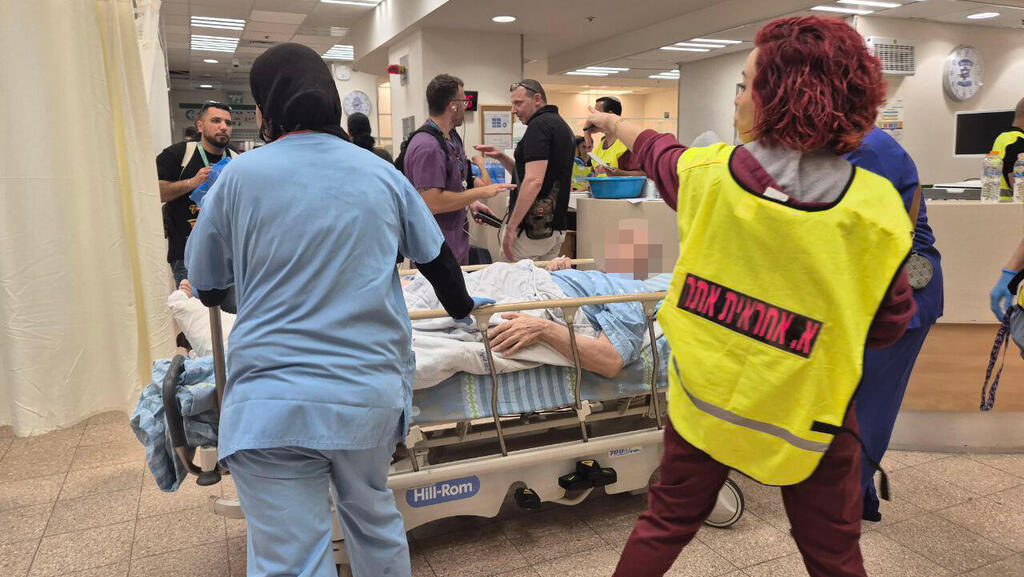
Evacuating patients at Soroka after the missile strike
(Photo: Ilana Curiel)
"It is a shame that the major motivation here is the result of an Iranian missile, and it would have been better to develop without the damage, but overall, the very ambitious plan we outlined at the start — which is not about a patch or a bandage but about real rehabilitation, including fortification and the ability to provide dignified medical care in the next war — is taking shape," Kodesh adds. "In Israel, one has to be careful and make sure no one decides to change decisions that have already been made. We are not hopeless optimists, but we are optimistic."
Yarden Nevo, deputy director of Soroka, added: "The Southern District Committee’s decision is a historic milestone for Soroka and for the entire Negev. Developing the medical center is not just another real estate plan, but a strategic growth engine for the national and medical resilience of the state. The events of Operation Rising Lion, including the direct missile strike on the hospital, underscored the paramount importance of advanced medicine under fire. The new fortified hospitalization tower, alongside the planned buildings, will give the medical teams the most advanced infrastructure and maximum protection so they can continue saving lives in routine times and emergencies."