


Before entering the operating room, Raymond Vetuskey and his mother, Betty, lay on hospital beds holding hands. She was crying. He, just 16 years old, tried to reassure her with a plan he already had for later that month: “Don’t worry at all, because I have a concert to go to and I’m not going to miss it,” he told her. More than 48 years later, he still keeps the ticket from that Genesis concert.
Vetuskey, a resident of Webster, New York, will celebrate his 65th birthday this month. The kidney that has allowed him to reach that milestone is about 35 years older than he is: It belonged to his mother, who would have turned 100 this past June had she still been alive. In that sense, the kidney he received from her is now “100 years old,” counting the years it functioned in her body and then in his.
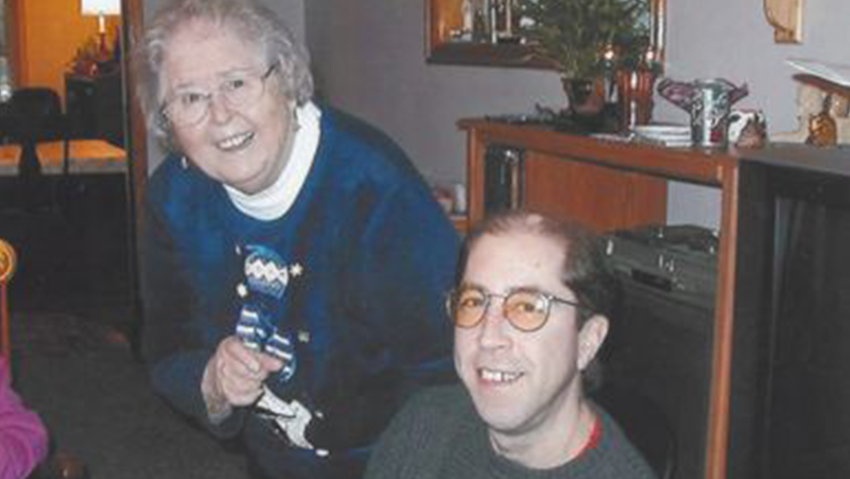
Vetuskey grew up in the Rochester area as the youngest of five children and says he had a special bond with his mother. As a teenager, he began having health problems that led to tests and the discovery that his kidneys were not functioning properly. According to the University of Rochester Medical Center, a viral illness severely damaged his kidneys. Dialysis took a heavy toll on him, and he lost weight and strength. As his condition worsened and it became clear he needed a transplant, Betty offered to donate a kidney. She was found to be an almost perfect match, and the surgery was performed on March 2, 1978, at Strong Memorial Hospital.
Betty was in her early 50s at the time. In an interview with local television station WHEC, her son said he does not think she hesitated at all. To him, that was simply the mother he knew: a woman willing to do anything she could to help him. On a calendar he kept from March 1978, two dates are marked: the surgery and the concert. The transplant was successful, and he did indeed make it to see Genesis three weeks later. In the years that followed, he worked in sheet metal fabrication. Today he is retired and is the longest-surviving kidney transplant recipient at the Rochester medical center.
For 30 years, mother and son marked the transplant anniversary with a meal together. He calls the celebration his “Anni-birth-ery,” a combination of anniversary and birthday. Betty died in 2008 and the shared meals ended, but her son says he thinks about her every day.
“I’m a miracle, and I feel great every day,” he told the medical center newsroom. “I know I’m lucky and I thank my mother.”
Nearly half a century after the operation, the kidney she donated continues to function. He goes for a hospital checkup once a year and, according to the report, his doctors believe it may serve him for the rest of his life.
He later commemorated his mother by registering a star in her name. “Every day I think about her, not a day goes by,” he said. “She is right beside me, all the time.”
What allows a kidney to last so long?
A transplanted kidney can accompany a person through many stages of life, from school and work to starting a family and retirement. According to the National Kidney Foundation in the United States, a kidney from a living donor functions for about 15 to 20 years on average after transplantation. Some patients continue living with the same kidney for many years beyond that range.
Dr. Miklos Molnar of the University of Rochester Medical Center points to two factors that helped in this case: Vetuskey’s young age at the time of the transplant and the close match between him and his mother. But even under such favorable conditions, nearly half a century of function is an extraordinary achievement.
“This is a rare case, but not the only one of its kind,” said Dr. Esther Ovdat, a specialist surgeon in liver, pancreas and transplant surgery at Tel Aviv Sourasky (Ichilov) Medical Center. “It is a combination of several factors, and probably a little luck as well.”
According to Ovdat, most kidney donations in Israel come from living donors, unlike in the United States, where most donations come from deceased donors. Alongside relatives who step forward to help loved ones, there are also people willing to donate to someone who is not close to them.
“We are more alike than we imagine,” she said. “One of the special things about Israel is the sense of mutual responsibility, which we see in this field all the time.”
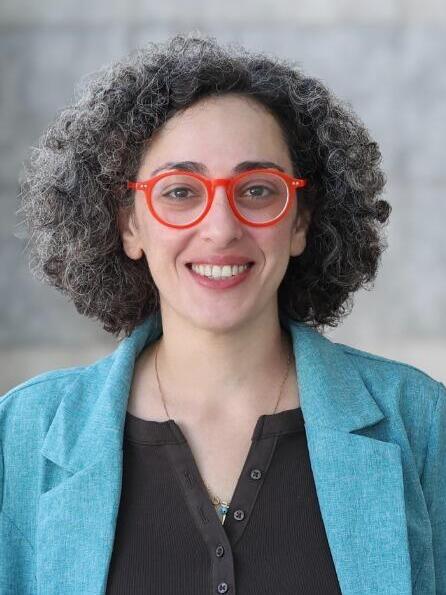 Dr. Esther OvdatPhoto: Jenny Yerushalmi, Ichilov Spokesperson
Donation from a living person has several advantages that can help improve the chances of a successful transplant.
“The kidneys are usually younger and healthier. In many cases the donation is between relatives, so there is a good match,” Ovdat explained.
Such a match can reduce the risk of rejection and increase the likelihood that the kidney will continue functioning for many years. Alongside those successes, she stressed that organs from deceased donors can also continue functioning in recipients for decades.
'Organ donation saves lives'
But the future of the kidney also depends on the health of the recipient.
“Most kidney transplant recipients need a transplant because of diseases that continue to affect them afterward, such as diabetes,” Ovdat said.
That means treatment of the underlying disease remains essential even when the new kidney is functioning well. “In patients with diabetes, for example, the transplanted kidney lasts longer when the diabetes is well controlled,” she explains.
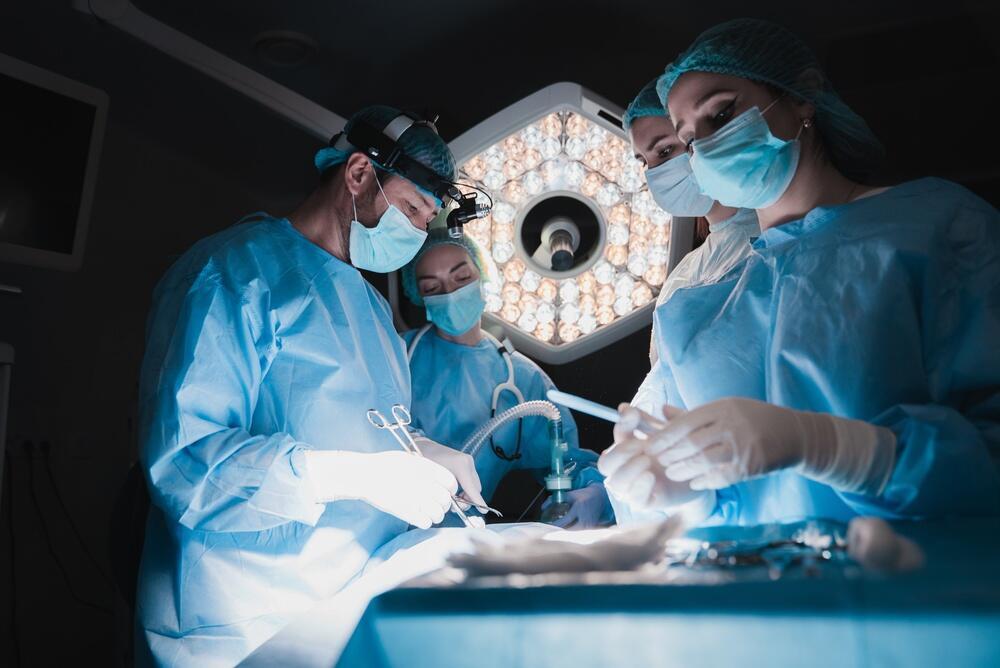
he medical challenge continues even after surgery: patients need to be monitored and take medications that prevent rejection
(Photo: Shutterstock)
In Vetuskey’s case, it is possible that the original illness was left behind. “I don’t know exactly which disease led to the transplant, but it appears it is not continuing to affect him to this day,” Ovdat said.
According to her, that may also be one of the factors that helped the kidney function for so many years.
Even when the original disease is no longer present, protecting the new kidney remains a lifelong responsibility for the transplant recipient. The treatment routine has to fit into work, family life and the life the patient is trying to return to.
“It is hard work. Patients have to be monitored and take medications that prevent rejection,” Ovdat said.
That discipline remains essential even as the surgery recedes into the past and the patient feels well.
Medical professionals also remain alongside the transplant recipient for years after recovery from surgery.
“I would love to take credit for a kidney lasting 30 years, but this is teamwork,” Ovdat said. “It is follow-up by nephrologists, transplant specialists, nurses and an entire team that helps preserve the organ over time.”
All those years of follow-up begin with another person’s decision to donate. For the recipient and the family, it can mark the beginning of a new chapter: returning to work, going on vacation, celebrating another birthday and planning the years ahead. These are everyday moments whose value can be easy to forget for someone living with serious illness.
“Organ donation saves lives and gives a person the chance to live a full life,” Ovdat concluded. “I encourage people to donate and sign an ADI donor card.”