

The Ebola outbreak continues to ravage eastern Democratic Republic of Congo, “spreading exponentially” and now covering an area larger than all of France, the United Nations’ senior Ebola outbreak coordinator Julian Harnies warned Friday after visiting the eastern city of Bunia. He said the death toll has already surpassed 2,500, with half of the cases recorded in just the past 20 days — a figure illustrating how sharply the rate of spread has accelerated in recent weeks.
According to Harnies, the rate of infection is outpacing the capacity of aid workers on the ground to respond. International aid funding currently covers only the coming weeks and could run out unless additional funds are secured. He added that if the outbreak is not contained quickly, the virus could spread to neighboring countries. Harnies also condemned a series of attacks on medical teams working in outbreak hotspots, calling them “unacceptable.”
Gallery
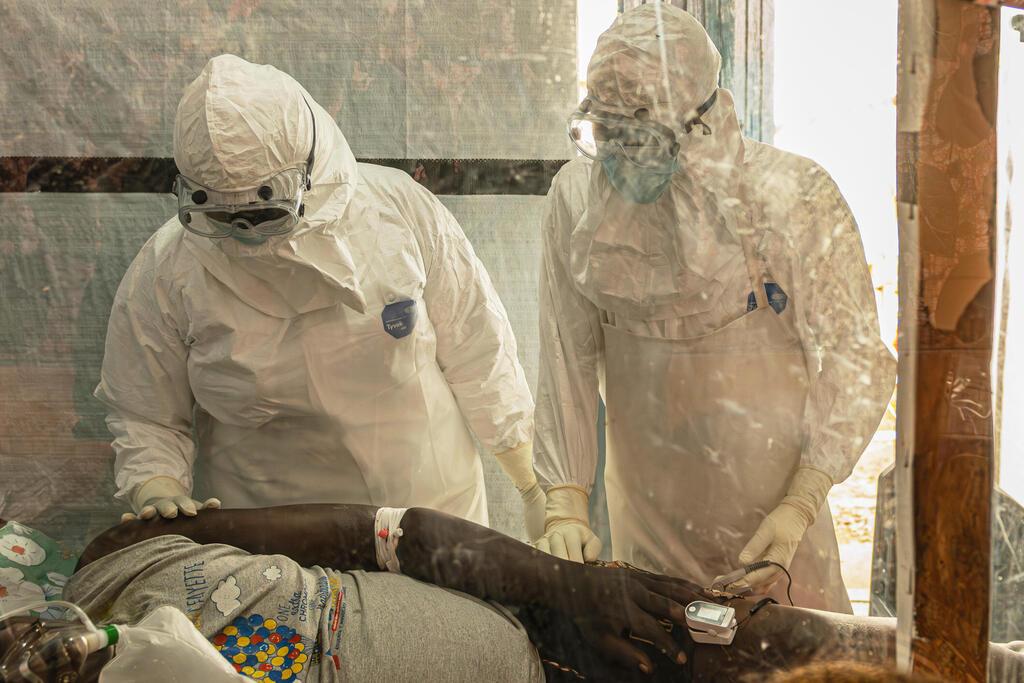
Treating an Ebola patient in a dedicated tent set up in Ituri province, Democratic Republic of Congo
(Photo: AP Photo / Moses Sawasawa)
The current outbreak, which is affecting six provinces in eastern Congo, is the fastest ever recorded, according to AP reports — roughly three times faster than the 2014-2016 outbreak that struck West Africa and remains the deadliest Ebola outbreak in the world, killing more than 11,000 people. In just three months, the current outbreak has also surpassed the 2018-2020 outbreak, which affected the same area of eastern Congo and had until now been the deadliest outbreak in the country’s history, with 2,299 deaths among 3,381 confirmed cases.
The outbreak was caused by Bundibugyo virus, a rare strain of Ebola for which there is no approved vaccine or treatment, unlike the more common Zaire strain, for which vaccines and treatments are available.
Ebola disease typically begins with flu-like symptoms, including high fever, extreme weakness, muscle pain, headaches and sore throat. Vomiting, diarrhea, abdominal pain and rash may develop later, sometimes accompanied by internal or external bleeding. The virus has an incubation period of two to 21 days, and the disease can rapidly progress to damage to vital organs and multiple organ failure.
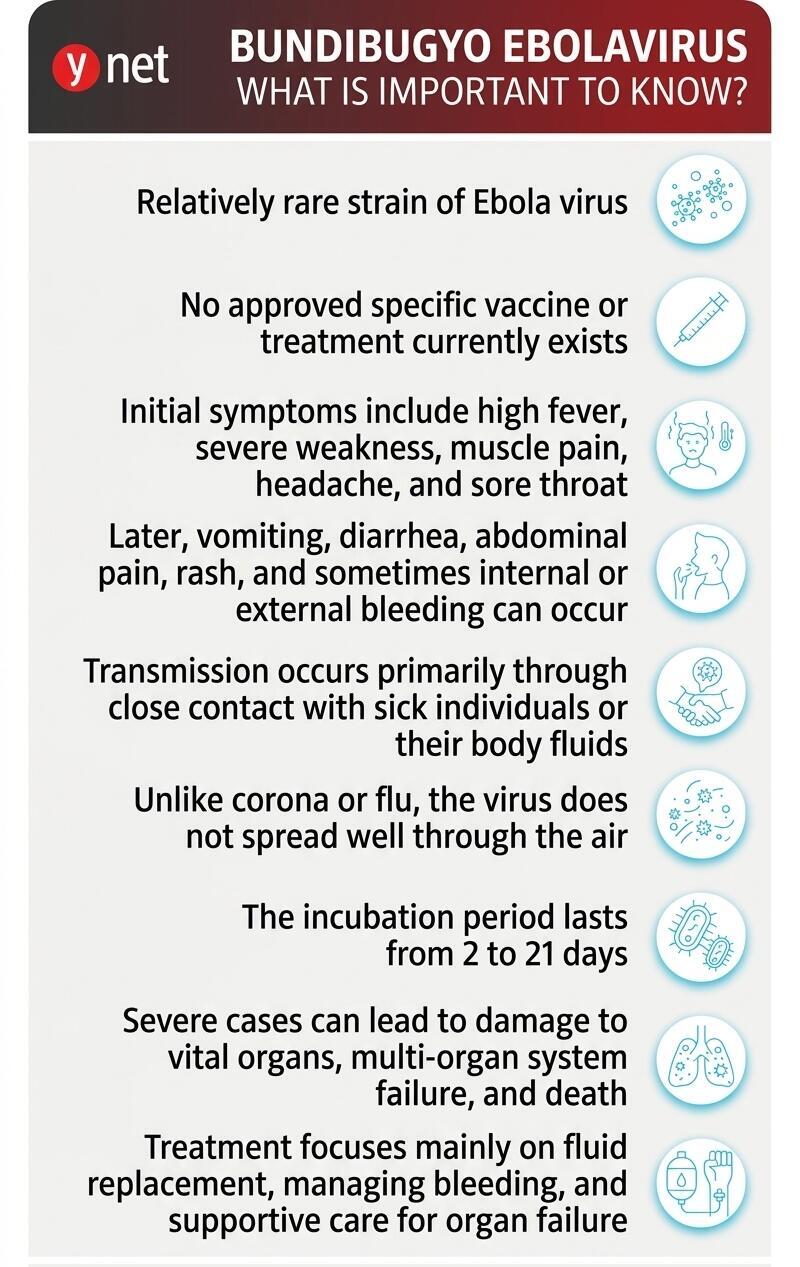
The fatality rate for the Bundibugyo strain was 25% in a previous outbreak in Uganda in 2007 and 50% in a previous outbreak in Congo in 2012. In the current outbreak, the fatality rate stands at 47.5%, with 5,208 confirmed cases and more than 2,500 deaths. In North Kivu province, where response efforts are particularly challenging, the fatality rate has reached 70%. Ebola, which is transmitted through contact with bodily fluids, has killed more than 15,000 people in Africa over the past 50 years.
Experts estimate that the virus began spreading as early as February from the mining town of Mungbwalu, months before authorities officially declared the outbreak on May 15. One of the main problems reported by teams on the ground is that most new cases are being identified outside the circle of people already under monitoring — a sign that the virus continues to spread faster than authorities can track it and a major contributor to the death toll.
No vaccine yet for this strain
The strain responsible for the current outbreak is Bundibugyo virus, one of the Ebola strains for which there is currently no approved vaccine or treatment — a shortage that has posed a major challenge for health workers.
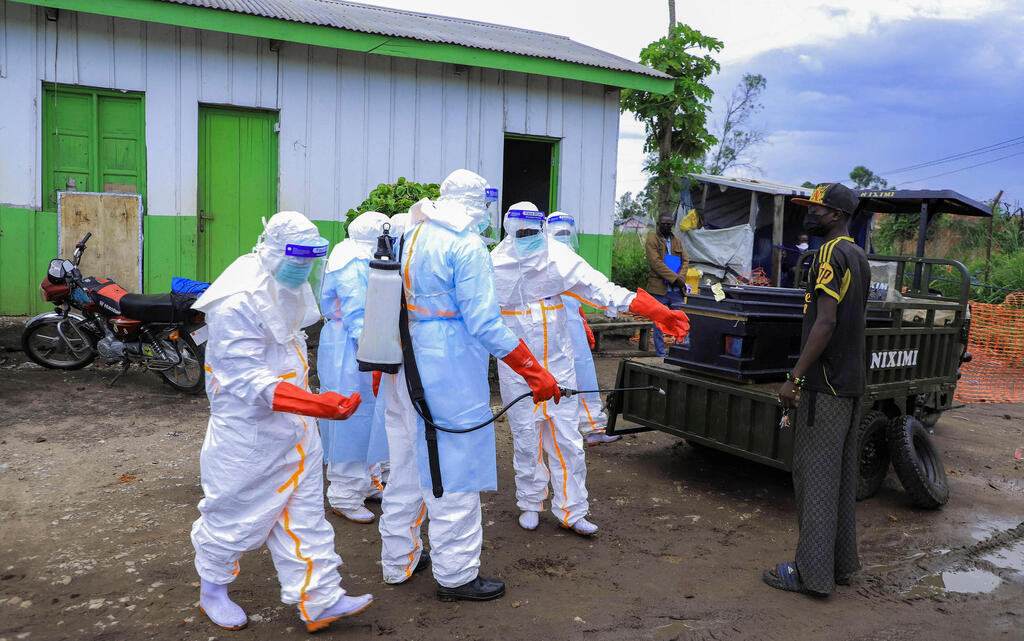
Disinfection operations following an Ebola outbreak in Democratic Republic of Congo
(Photo: REUTERS / Stringer)
Amid warnings over the spread of the virus, Congo has received 70,000 doses of the Ervebo vaccine, which has proven effective in previous Ebola outbreaks but is officially intended for the Zaire strain of Ebola, not Bundibugyo. The World Health Organization said that while it does not know with certainty whether the vaccine will protect against the current strain, preliminary data from laboratory and animal studies suggest it may provide partial protection.
Of the 70,000 doses, 20,000 are intended for a Phase 3 clinical trial examining the vaccine’s effect on the Bundibugyo strain. The remaining 50,000 doses will be given to health care workers and frontline workers, in accordance with recommendations from WHO experts.
The international group coordinating vaccine allocation, which includes WHO and other organizations, said the doses would be released immediately following a request from the Congolese government. WHO Director-General Tedros Adhanom Ghebreyesus called the approval “an important example of global solidarity in action.”
However, the response to the outbreak is suffering from inadequate funding and has drawn criticism for being slow and poorly organized. Some members of the local population are not cooperating with efforts to contain the outbreak and distrust the response.