

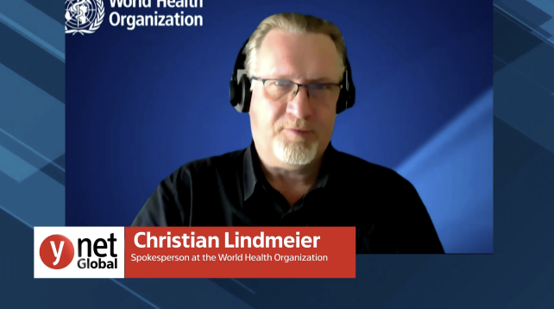
A new Ebola outbreak in the Democratic Republic of Congo (DRC) is raising concerns among health officials, but it should not be viewed as the next COVID-19 pandemic, according to Christian Lindmeier, spokesperson for the World Health Organization (WHO). Lindmeier told ynet Global that the outbreak is a serious regional threat involving a strain for which no vaccine or approved treatment currently exists.
Christian Lindmeier talks about Ebola
(Video: Assaf Chen)


The outbreak is centered in northeastern Congo near the borders of Uganda and South Sudan, an area characterized by extensive population movement, mining activity and ongoing armed conflict. Lindmeier warned that the combination of a densely populated region, cross-border travel and limited access due to rebel activity creates what he called a "perfect cocktail" for disease transmission. However, he emphasized that Ebola spreads differently from respiratory viruses such as COVID-19 and requires close contact with infected bodily fluids.
"The global risk is considered low," Lindmeier said, citing assessments by WHO expert committees. While the national risk within Congo has been classified as very high and the regional risk as high, Ebola does not spread easily through casual contact. Transmission typically occurs when caring for infected individuals, handling bodily fluids or participating in burial practices involving direct contact with the deceased. WHO has recommended airport screenings, temperature checks and rapid isolation of symptomatic individuals rather than broad travel restrictions.
Asked about reports that the Trump administration is considering preventing Americans exposed to Ebola abroad from returning to the United States for treatment, Lindmeier noted that WHO has not recommended travel bans. While decisions ultimately rest with national governments, he said patients should receive the best available care and ideally remain close to family support systems. "The most important part is that the patient gets the best treatment possible," he said.
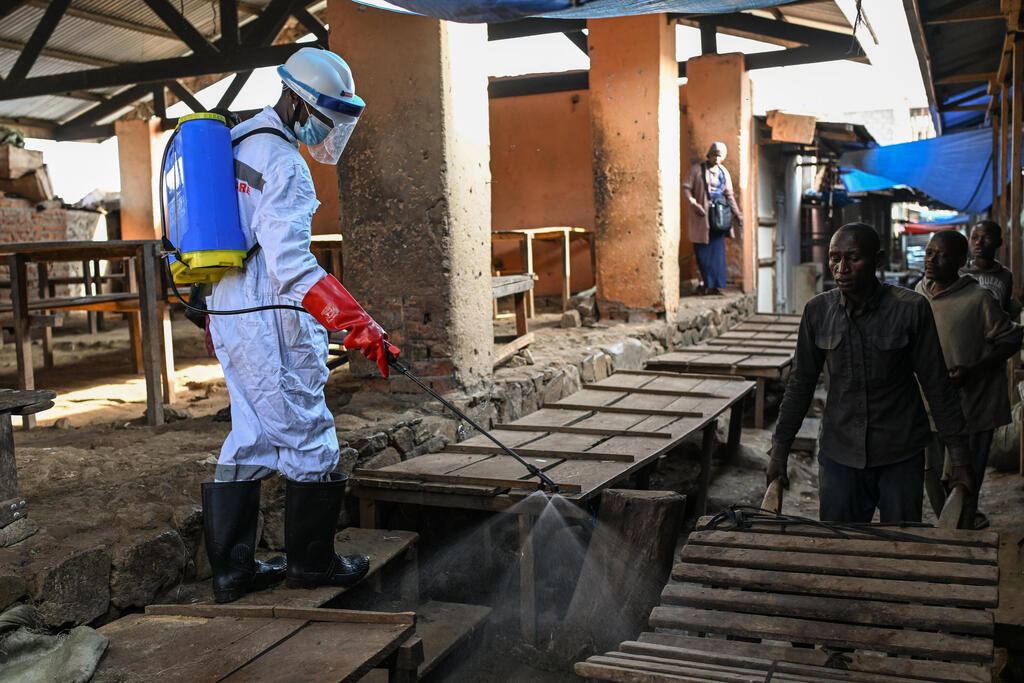
Christian Lindmeier tells ynet Global: the outbreak is a serious regional threat involving a strain for which no vaccine or approved treatment currently exists
(Photo: AP Photo / Moses Sawasawa)
The discussion also turned to Gaza, where WHO has repeatedly warned of worsening humanitarian and public health conditions during the war. Lindmeier said many of the organization's concerns regarding malnutrition, disease and healthcare system collapse have materialized, pointing to civilian casualties and the ongoing strain on medical services. He argued that independent verification of conditions could be strengthened by allowing broader access for international journalists to enter Gaza and report directly from the territory.
Responding to criticism from some Israelis who believe international organizations focus disproportionately on Israel while overlooking the challenges of fighting Hamas, Lindmeier stressed that WHO's mandate is limited to public health issues. Other United Nations agencies focus on food security, migration or children, while questions of political responsibility are generally left to governments and diplomatic bodies. "Politics should be left aside, and we should look at the people who suffer," he said.
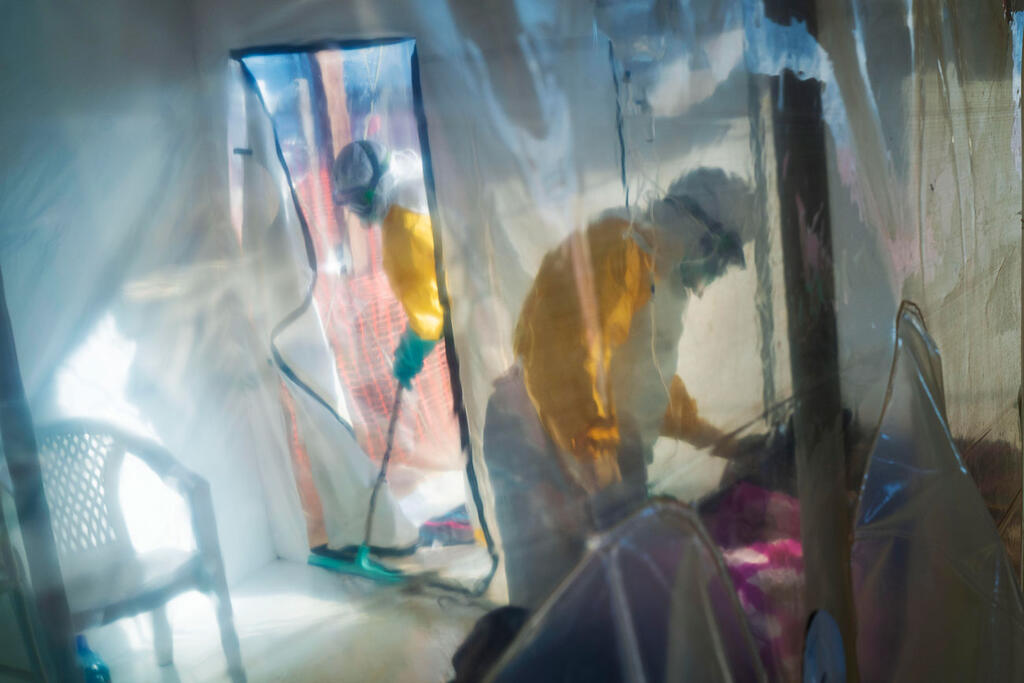
Christian Lindmeier tells ynet Global: 'We are fighting an infodemic at the same time we are fighting an epidemic or a pandemic'
(Photo: AP)
Lindmeier acknowledged that public trust in international institutions has declined in recent years, particularly in the wake of the COVID-19 pandemic. He said organizations such as WHO face growing challenges from misinformation and disinformation circulating on social media, making it increasingly difficult to communicate verified facts to the public.
"We are fighting an infodemic at the same time we are fighting an epidemic or a pandemic," he said. "It is even more difficult to contain." Despite the challenges, Lindmeier said WHO remains committed to its mission and believes that facts and evidence will ultimately prevail.