

Israel's Health Ministry is preparing to launch its first large-scale national clinical trial of psychoactive substances to treat post-traumatic stress disorder (PTSD), turning to two controversial drugs as the country struggles with a worsening mental health crisis following the October 7 attacks and subsequent war.
The unprecedented study will involve hundreds of patients who will receive MDMA, the active ingredient in ecstasy, or psilocybin, the psychedelic compound found in certain mushrooms, under strict medical supervision. Researchers hope to determine whether the substances, administered alongside intensive psychotherapy, can improve outcomes for patients who have not responded adequately to conventional treatments.
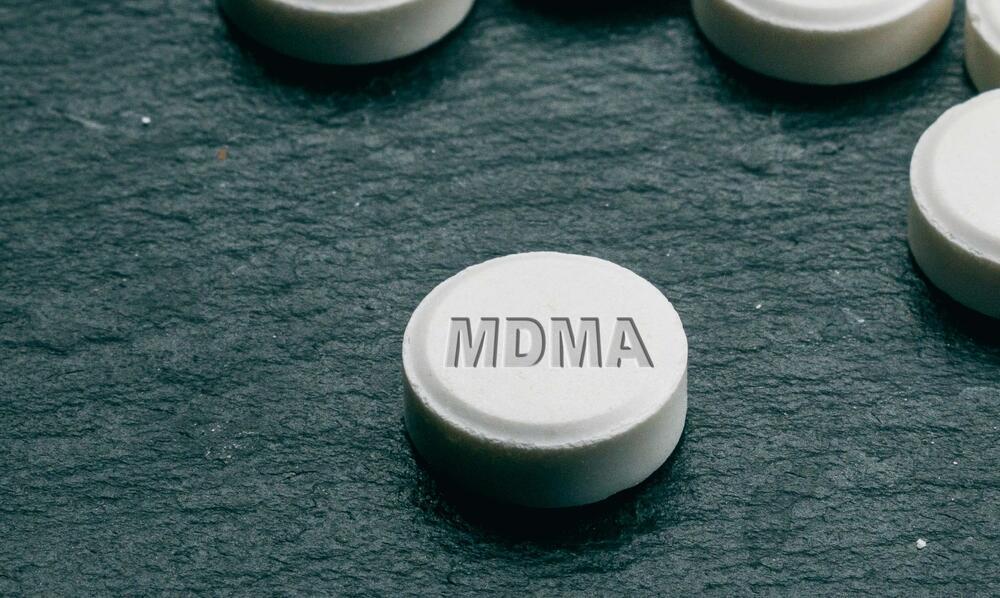
Israel to test MDMA and psilocybin on hundreds with severe PTSD in first national trial
(Photo: shutterstock)
The trial is scheduled to begin in the coming weeks and continue for approximately three years. Participants will be patients with chronic, moderate-to-severe PTSD who have exhausted standard first-line treatments. All candidates will undergo extensive psychiatric and physical screening before being accepted.
Since the outbreak of the war, Israel has recorded a sharp increase in diagnoses of PTSD and complex PTSD. Conventional treatments, including medication and trauma-focused psychological therapy, do not produce full recovery for many patients. Some also discontinue therapy because of the emotional difficulty of repeatedly confronting traumatic memories.
"Given the widespread prevalence of the condition, we thought it would be appropriate to bring research into psychoactive substances to the national level, both to gain a better understanding of their effectiveness and to offer another option to patients whose current treatment is not going well," a senior Health Ministry official explained.
"Psychotherapeutic and psychiatric treatment for PTSD is complex and limited. Many young people are suffering from extremely severe symptoms, and it is very important to us to make alternative treatments that could help them more accessible," the official said. "The generation that experienced the war is much more willing to try new treatment methods and is no longer prepared to accept older approaches that are not helping them make progress."
‘Not a magic cure’
Both MDMA and psilocybin affect neurotransmitter systems in the brain, including those involving serotonin and dopamine. Their effects can emerge rapidly and involve temporary changes in consciousness and intense emotional experiences. Researchers are investigating whether these effects can help patients revisit traumatic memories with greater emotional flexibility, acceptance and self-compassion, potentially making difficult experiences easier to process.
Psilocybin can also produce temporary changes in perception, particularly vision. During psilocybin-assisted sessions, patients generally lie down wearing eye coverings, without maintaining continuous conversation with their therapists.
The Health Ministry emphasized that neither substance is intended to replace psychotherapy. Instead, they are being studied as potential tools to support and accelerate the therapeutic process.
"The psychoactive substance gives patients greater flexibility in processing traumatic experiences and a greater capacity to contain them," the senior official said. "It is very important to emphasize that this is not a magic treatment that will make the problem disappear within a few months. Processing these experiences is extremely complex and intensive. This is nothing like taking MDMA at a party. There is nothing recreational about it."
Treatment will follow a structured three-stage protocol combining psychological preparation, medically supervised drug sessions and subsequent psychotherapy designed to help patients integrate their experiences into everyday life.
The preparation stage will consist of two to three sessions lasting approximately 90 minutes each. Therapists will establish a relationship of trust with the patient, discuss expectations and practice grounding and emotional regulation techniques intended to help participants manage difficult experiences during treatment.
The second stage will involve two or three extended sessions, each lasting six to eight hours and separated by several weeks. Patients will receive the designated substance in a licensed clinic under physical monitoring, with a physician and therapeutic staff present. Although one therapist will oversee most of the treatment, two therapists will be required during sessions involving the psychoactive substances.
After each drug-assisted session, patients will attend two to four additional psychotherapy appointments. These meetings will focus on processing emotional insights, working through traumatic memories and applying what was learned to everyday situations.
Preventing a repeat of the medical cannabis experience
One of the Health Ministry's central motivations is concern over the growing number of trauma survivors turning to illegal, unregulated providers offering psychedelic-assisted treatments outside the medical system. Demand has been increasing, while access to supervised clinical trials remains limited.
Officials hope the nationwide research program will provide a regulated alternative while generating evidence about the potential benefits and limitations of the treatments.
At the same time, the ministry is introducing strict safeguards intended to prevent the substances from reaching the black market, avoid excessive prescribing and restrict unsupervised consumption. The approach reflects lessons learned from Israel's medical cannabis system, in which patients receive prescriptions and use cannabis independently at home over extended periods.
Health Ministry officials stressed that MDMA and psilocybin are not intended for everyday stress relief. They also said that, when used in controlled clinical settings, the substances do not cause physical dependence. Their use in the trial will nevertheless be tightly restricted, with every dose administered under medical supervision.
The substances will be supplied by the pharmacy of the medical institution conducting the trial and handed directly to an authorized therapist on the morning of each treatment session. Patients will not receive prescriptions to take home, will not be permitted to store doses and will have no independent access to the substances outside the supervised sessions.