

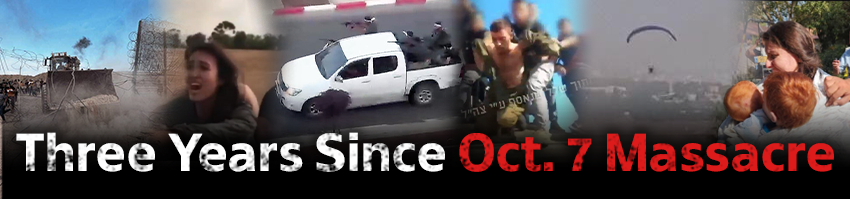
A nation in trauma: Three years after the October 7 massacre and the Swords of Iron war, updated data on Israelis’ mental health show that tens of percentage points of the population are suffering from significant psychological distress. That includes a rise in the already high share of people who have crossed what is defined as the clinical threshold for anxiety and depression, alongside hundreds of thousands of calls to ERAN’s emotional support hotline.
The data did show improvement in some indicators after the second year of the war compared with the first. However, additional studies conducted by the Brookdale Institute in July 2025 after Operation Roaring Lion and later in April 2026 after Operation Rising Lion, found renewed increases in levels of depression and anxiety.
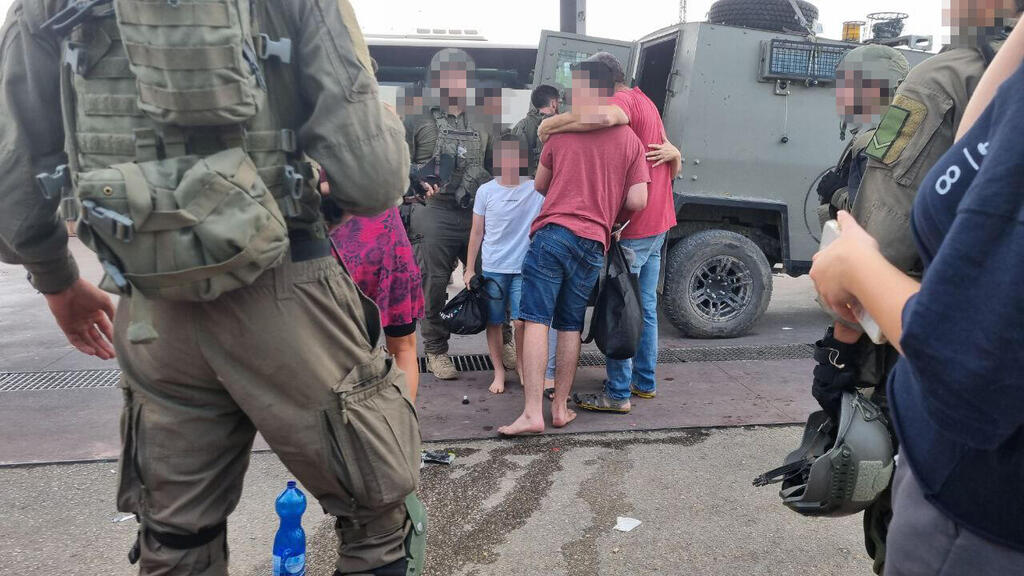
It is important to remember that these measurements were taken close to unusual security events, so they may reflect a “peak” in distress rather than necessarily the situation during calmer periods. In that sense, however, the findings illustrate the cumulative psychological cost of living in Israel through a prolonged period of war, security tensions and uncertainty.
How do you measure the mood of a nation?
In July 2025, 26.6% of respondents crossed the clinical threshold for depression and 17% for anxiety. In the later survey waves, more than a third reported depressive symptoms at a clinical level, about 35%-37%, while roughly a quarter reported clinical-level anxiety symptoms, about 24%-25%.
At the same time, another quarter of respondents reported subclinical symptoms — below the formal clinical threshold — both for depression, about 27%-28%, and anxiety, about 26%.
The figures mean that more than half of respondents in each survey wave experienced at least some level of psychological distress.
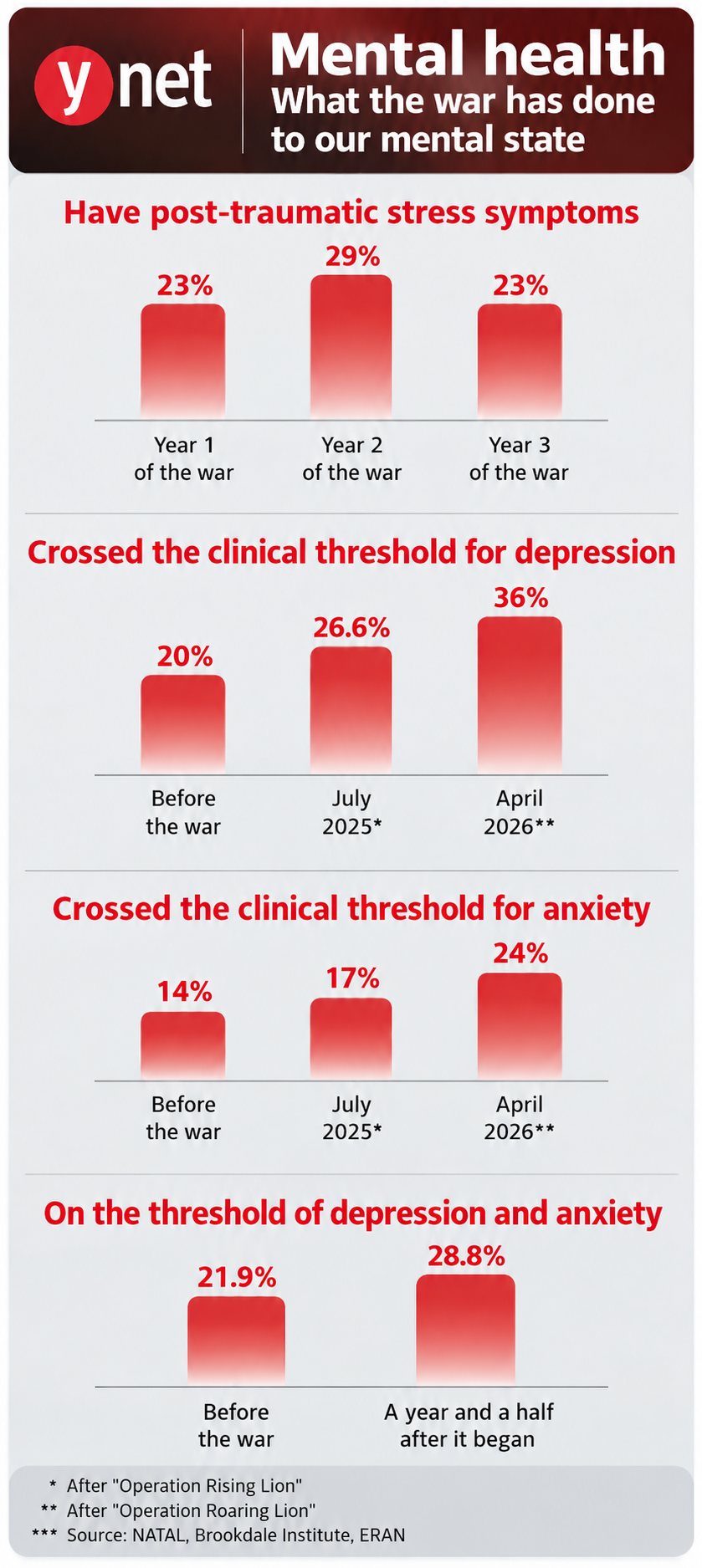
These findings underscore that the public’s mental health is affected not only by a single event, but also by the accumulation of periods of threat, fighting and uncertainty.
One place where the “pulse” of the country’s mental health can be clearly felt is ERAN’s emotional support hotline. According to hotline data, the share of calls involving suicidality — intentions or actions — rose from 2% of all calls in the first year after the war began, to 2.2% in the second year and 2.8% in the third, amounting to a cumulative increase of tens of percentage points.
At the same time, however, the relative share of calls concerning emotional pain, depression and acute psychological distress declined, from 26.6% in the first year to about 20% in each of the following two years. Calls concerning anxiety, trauma and loss also fell, from 18.4% in the first year to 10.6% in the second and 9.6% in the third.
A clear picture is hard to draw
An analysis of calls over the years points to a gradual change among those seeking help. Compared with the first year after the war began, when most calls centered on anxiety, depression, trauma and loss, the share of calls on those subjects fell over the past year. By contrast, calls relating to loneliness increased and now account for 41%.
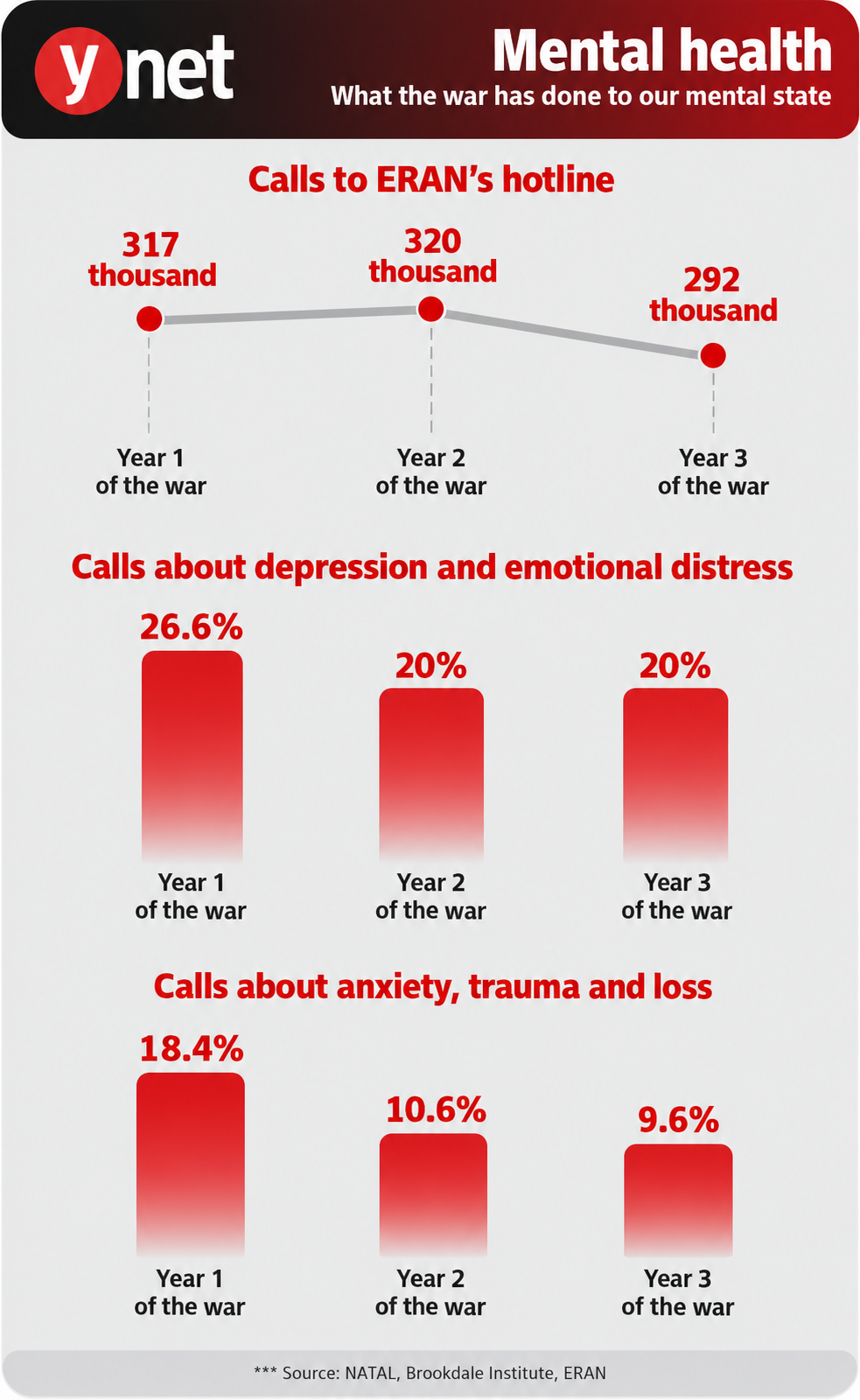
In total, more than 900,000 calls and online contacts were made to the organization’s service centers over the past three years. The data also show that the overall number of people seeking help remained more or less stable throughout the three years of war, though there was a slight decline in the past year.
Does the decline in calls about anxiety and trauma mean distress in those areas has eased? ERAN officials say not necessarily.
The figures reflect only the nature of the people contacting the support lines, and it is possible that those coping with loss or distress stemming from October 7 have since turned to other forms of assistance. Indeed, a recent survey conducted by NATAL found that overall rates of anxiety and post-traumatic stress remained similar over the past three years, affecting about a quarter of Israelis.
Any attempt to draw a single clear picture of Israelis’ mental health three years after the October 7 massacre and the war that followed is doomed from the outset: How do you measure the mood of a nation? Does an increase in calls to support lines indicate worsening distress, or perhaps greater awareness of the importance of seeking help before a situation deteriorates completely?
Even longitudinal studies that systematically sampled the population at several points over the past three years struggle to provide an unequivocal picture, because the findings vary depending on the timing — whether shortly after another wave of Iranian attacks or during a rare period of calm.
And, of course, it is difficult to compare those who directly experienced the massacre or suffered loss and injury with those who were in more distant circles of exposure.
A false routine
One thing, however, is not in dispute: Psychological distress has not disappeared three years into the war, and in some respects its true scale is only now becoming clearer.
Some indicators show a degree of moderation, while others point to deterioration. One example is the alarming surge in children and teenagers seeking psychiatric emergency care, according to Clalit Health Services data published several days ago.

Going to work and functioning normally is not necessarily evidence of mental well-being
(Photo: Shutterstock)
But there is no need to look as far as psychiatric emergency rooms. Evidence of the difficulty can also be seen among people who continue to function normally but feel they need help.
“We are living in a kind of ‘pretend routine,’” said Dr. Shiri Daniels, ERAN’s national professional director. “Most of us continue to work, study, raise children and function, but functioning is not necessarily evidence of mental well-being. In a reality of ongoing uncertainty and threat, distress can accumulate gradually and manifest itself in burnout, loneliness, relationship difficulties and damage to one’s sense of stability and security.”
JDC-Israel and the Myers-JDC-Brookdale Institute have in recent years tracked various indicators among the Israeli public through a systematic survey conducted periodically. The survey includes a large sample of more than 3,500 participants representing all sectors of the population.
What makes the study distinctive is that it began during the COVID-19 pandemic, allowing researchers to compare the situation before and after October 7.
Indeed, after the war began, there was a consistent increase in the share of Israelis coping with depression and anxiety, both at levels indicating an “official” disorder and at lower levels that still point to distress.
In the most recent measurement, conducted in April, researchers found an alarming rise in rates of anxiety and depression, both at the higher, “official” clinical threshold and at lower levels that nevertheless indicate distress.
However, the study’s authors — Dr. Dana Katzoty, Dr. Oren Heller and Professor Michal Grinstein-Weiss, CEO of the Brookdale Institute — noted that the two postwar survey waves were conducted close to Roaring Lion and Rising Lion, meaning against the backdrop of missile strikes and time spent in shelters.
The group no one talks about
The researchers believe the increase in anxiety and depression indicates that mental health is affected “not only by a single event but also by the accumulation of periods of threat, fighting and uncertainty.”
At the same time, they note, the surge may reflect a “peak” in distress and not necessarily the situation during calmer periods.
(Photo: IDF Spokesperson's Unit)
Against the backdrop of worsening indicators, the question arises of how well welfare and mental health services are managing to cope with the growing numbers.
Participants in the Brookdale Institute’s longitudinal study were asked whether they had received treatment for their distress. Some said they had no need for it, others said they had received treatment, while 8% said they wanted care but did not receive it because of structural barriers — cost, difficulty reaching treatment centers and waiting lists that were too long.
While that is not an especially high proportion, a closer look at the figures shows that most of those who said they did not receive treatment despite wanting it also belonged to the group suffering from depression and anxiety.
In other words, they are precisely the people in most urgent need of care.
There is also another group that is rarely discussed, one the study casts an unusual spotlight on: people who meet all the formal criteria for depression but are entirely unaware of it and have not even tried to seek treatment. Perhaps unsurprisingly, those who experienced distress, lacked awareness and wanted treatment were mainly from low-income families, compared with those from middle- and high-income households.