


When a mosquito bites, it not only draws blood but also injects saliva into the skin, triggering a local immune response. Blood vessels expand, inflammatory substances are released and the itching begins. For some people, the reaction fades within an hour. “In others the reaction can last for hours and sometimes even several days,” says Dr. Oren Katz, a dermatologist with Clalit Health Services and a parasitology expert.
As summer begins and mosquito season intensifies, many people are looking for the same answer: what actually helps? According to Katz, mosquito saliva serves several purposes at once. It slows blood clotting to allow continued blood flow, expands blood vessels and may even create mild local numbing so the bite is not felt immediately.
Gallery
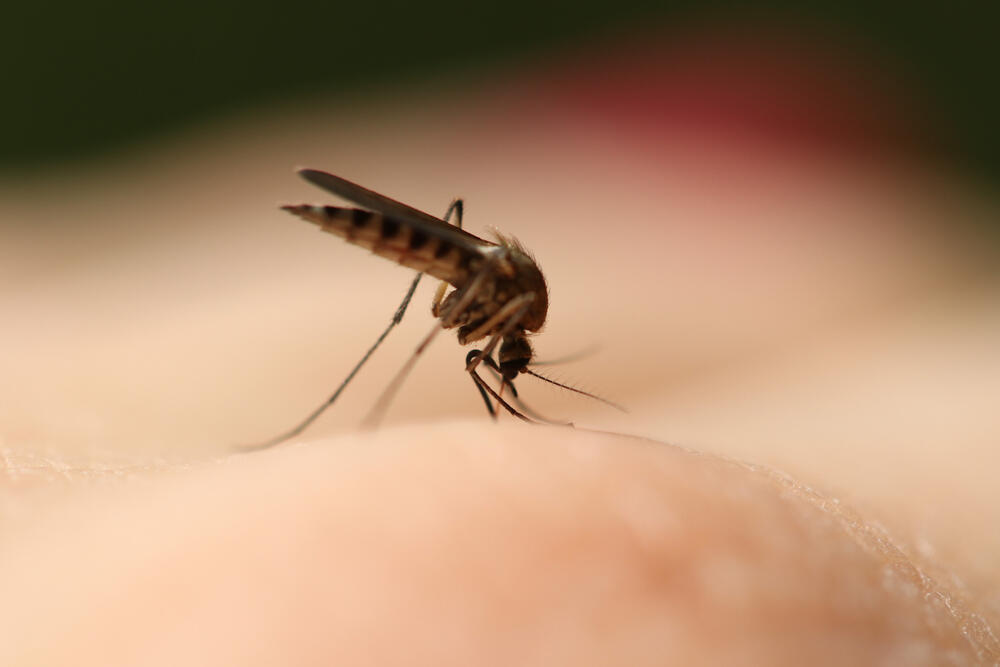
The body’s reaction to mosquito saliva is what causes itching, swelling and redness
(Photo: Shutterstock)
“The composition of the saliva and the reaction to it vary from person to person,” he says. That is why the same bite may barely register in one person, while causing a red, swollen and itchy bump that lasts for days in another.
The immune system identifies components of the saliva as foreign substances and activates a local inflammatory response, including the release of histamine. “That is what causes the itching, redness, swelling and sometimes a sensation of heat around the bite,” Katz says. “In some people the reaction is mild and passes quickly, while in others it can be more pronounced and last for hours or even several days.”
Mosquito bites are not only a nuisance. In Israel, Katz says, mosquitoes, including in the central region, can transmit West Nile fever, currently the country’s most significant mosquito-borne disease. Health officials are also monitoring the possibility that diseases more common in tropical regions, including dengue and chikungunya, could eventually reach Israel.
“These are diseases that are already spreading around the world and have also reached Europe,” Katz says. “Processes such as global warming and international movement can also affect their spread.”
How do heat and cold help?
The idea that heat can relieve itching may sound surprising, but the current explanation is that it does not treat the bite itself. Instead, it temporarily affects how the body and brain process the sensation of itch.
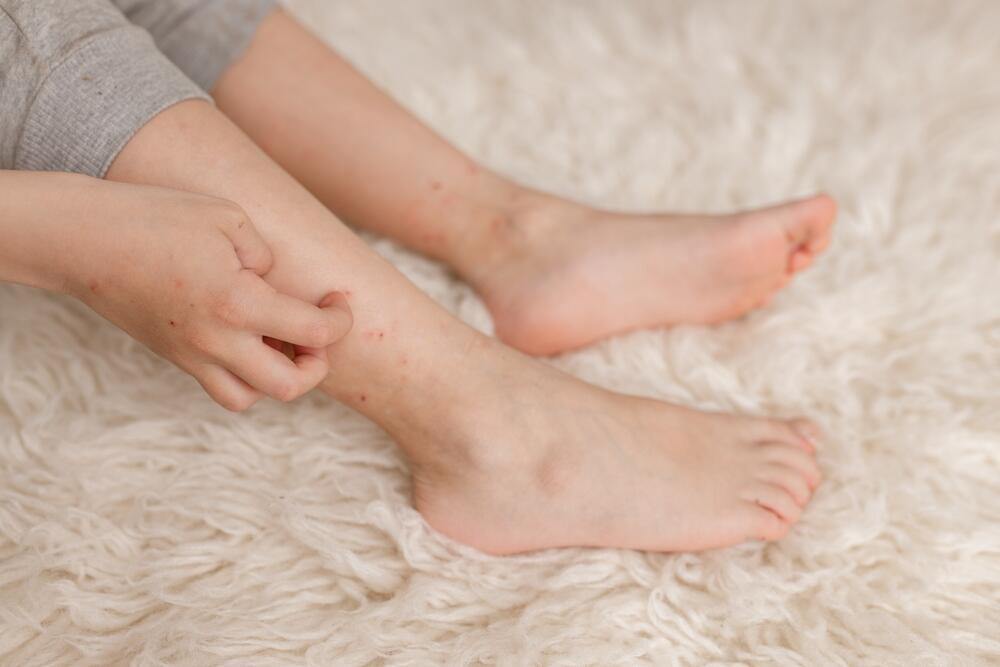
Itching after a mosquito bite is caused by the immune system’s reaction to proteins in mosquito saliva
(Photo: Shutterstock)
Prof. Gil Yosipovitch, a dermatologist at the Dr. Phillip Frost Department of Dermatology and Cutaneous Surgery at the University of Miami, told The Washington Post that heat or cold may “inhibit the feeling of itch. It’s kind of averting the nervous system from one sensation to another," he explained.
According to this theory, a temperature change may briefly disrupt the nerve signals and inflammatory processes involved in itching. Gentle heating of the skin activates temperature-sensitive receptors, which may temporarily dull itch signals, similar to the way rubbing a painful area can momentarily distract from discomfort.
Katz says that even if heat provides temporary relief, it is not a treatment for the bite itself. “You can think of it as shifting attention from one sensation to another,” he says. Still, when it comes to mosquito bites, Katz says he generally prefers local cooling.
“Itch is strongly affected by temperature, and many people know the feeling that heat makes itching worse, while in a cooler environment it is sometimes more tolerable,” he says. Cold may have added advantages. It can slow the activity of itch-related nerves, constrict blood vessels, reduce the inflammatory response and create a mild numbing sensation around the bite.
What do the studies show?
Despite the physiological explanations and clinical experience, research on the subject remains limited. Few studies have directly examined how heat or cold affects itching caused by mosquito bites. Still, several recent studies have offered interesting findings.

In some people, the reaction to a mosquito bite can last for hours or even days
(Photo: Shutterstock)
A 2022 review, co-authored by Yosipovitch, found that cold compresses may help provide local relief from mosquito-bite itching. The researchers suggested the effect may be linked to activation of TRPM8, a receptor in nerve cells that responds to low temperatures and cooling substances such as menthol.
Another study, published in 2023, examined a heat-based medical device controlled via smartphone. Participants reported a 57% reduction in itching within one minute of starting treatment and an 81% reduction after 10 minutes. A later randomized clinical trial that tested a thermo-therapeutic device for mosquito bites also found a significant reduction in itching within one minute compared with a placebo device.
How to do it safely
Anyone who wants to try heat should use only brief, gentle and local warming, and avoid exposure to excessive heat. Options include placing a warm cloth over the bite, gently warming a metal spoon under hot water, or using a warm compress or heating pad on a low setting.
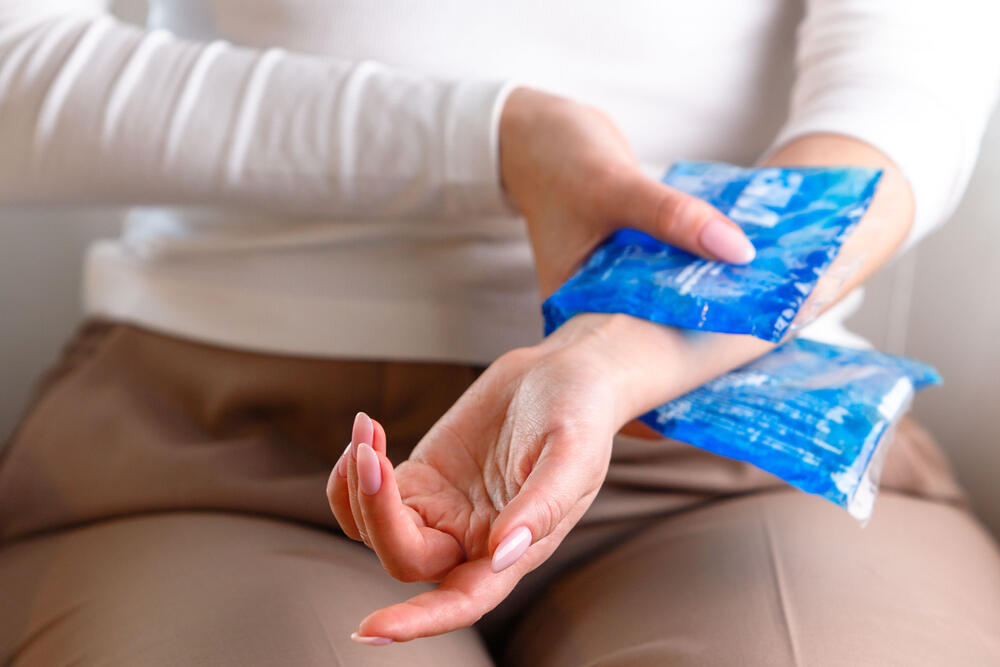
Heat or cold may temporarily ease itching after a mosquito bite
(Photo: Shutterstock)
A hair dryer is not recommended because the heat is hard to control and may overheat the skin or worsen irritation.
Heat is not suitable for everyone. In people who tend to develop a stronger reaction to mosquito bites, such as extensive swelling or an allergic response, warming the area may make symptoms worse. One possible reason is that heat increases blood flow to the area and may intensify itching in some cases.
In those cases, it may be better to start with cooling the bite, using an ice pack wrapped in a towel, a cool cloth or a cold compress for about 10 minutes.
Other tips
Beyond heat and cold, several options may help with mild mosquito bites and reduce itching and skin irritation.
- Gentle anti-inflammatory and anti-itch creams, including products containing hydrocortisone, may help in mild cases by reducing redness, swelling and itching.
- Antihistamines may help reduce itching in some people.
- Cooling gels or products containing ingredients such as camphor or menthol may calm the irritated area and ease the itch.
- A paste made from baking soda and a little water may also help. Apply it for about 10 minutes and then rinse it off.
- Calamine lotion can help soothe the skin and provide a local cooling sensation.
If more unusual symptoms appear, including significant swelling, hives, enlarged lymph nodes or fever, medical evaluation is recommended. These may indicate a more significant allergic reaction to the bite.