

Protein has become one of the biggest stars of the nutrition world. If you find yourself checking how many grams are in your yogurt, comparing protein bars or wondering whether breakfast contains enough of it, you are not alone.
The attention is not baseless. Protein is essential for building muscle, recovery, satiety and normal body function. But around that real importance, a cloud of myths, marketing claims and confusion has also grown. So how much protein do we actually need each day? Is it essential to eat it right after a workout? And is animal protein better than plant protein?

“Protein is one of the building blocks of the body,” says Limor Tal Pony, chief dietitian at Maccabi Healthcare Services. “It is made up of amino acids. There are 20 amino acids, nine of which are essential, meaning the body cannot produce them on its own and must receive them from food.” Although protein is now often discussed mainly in the context of muscle building, its role is much broader.
“Proteins take part in building and maintaining the body’s tissues, including skin, hair and nails,” she says. “They are also important for immune-system function and for producing enzymes that help break down food. In other words, protein is not only a matter of the gym or muscle mass. It is central to the normal function of the entire body.”
How much protein do you need a day?
This is where things become confusing. There is no single number that fits everyone. For years, the basic dietary recommendation was about 0.8 grams of protein per kilogram of body weight. In recent years, however, professional discussion around protein has shifted, partly because the goal is no longer only to prevent deficiency, but also to support muscle maintenance, normal function and recovery.
“Recent American dietary recommendations speak about 1.2 to 1.6 grams of protein per kilogram of body weight,” Tal Pony says. “For example, if we take a person who weighs 70 kilograms, the previous recommendation was 56 grams of protein a day. According to the 1.2 to 1.6 range, it is already 84 to 112 grams a day.”

Limor Tal Pony
(Photo: Ofer Hajayov)
That difference reflects a change in approach. “The previous recommendations were more suited to preventing protein deficiency,” she says. “The newer recommendations say: Let’s address the major importance protein has in many different processes in the body.” Still, she stresses that the newer recommendations are not free of criticism.
“Some argue that there is still not enough research evidence to fully support them, and ultimately we need to see whom we are recommending them to. The needs of adolescents, older adults, pregnant women and breastfeeding women are different and higher.”
For people who train regularly, are trying to build muscle or are in a period when preserving muscle mass is especially important, the common range is usually higher.
“Current recommendations speak of 1.6 to 2.2 grams of protein per kilogram of body weight,” says Dr. Ohad Segal, an orthopedic surgeon specializing in sports injuries at Maccabi Healthcare Services and founder of the Athlete Rehabilitation Center in Ra’anana. “These numbers are important not only for athletes, but for the general population as well, although the higher end is mainly suited to athletes and people who want to build muscle.”
Can you eat too much protein?
Once we understand how much protein is recommended, the opposite question comes up almost immediately: Can you overdo it?
The answer is complex. In a healthy person, relatively high protein intake is not usually considered a problem. But that does not mean it is wise to load up on protein without thinking, especially if it comes at the expense of a balanced diet.
Tal Pony says there is currently no single clear definition of “too much protein,” but it is important to remember that the body does not store protein the way it stores fat.
“When the body gets more protein than it needs, it uses what it needs and then has to break down and excrete the excess,” she says. “High protein intake can create a kidney load. In healthy people, most studies show that even intake of up to about 2 grams of protein per kilogram of body weight will not cause harm, and the kidneys adapt by increasing filtration. But for people with kidney disease, uncontrolled diabetes, high blood pressure or reduced kidney function, it is very important to consult a doctor or dietitian.”
The source of the protein also matters. Very high consumption of animal protein, especially from fatty red meat or high-fat dairy products, may be more problematic.
“It can increase the excretion of calcium and uric acid in the urine and raise the risk of kidney stones,” Tal Pony says. “In addition, for people who consume large amounts of protein as part of a ketogenic diet, mainly from fatty meats and high-fat cheeses, the possibility of an increase in bad cholesterol should also be taken into account.”
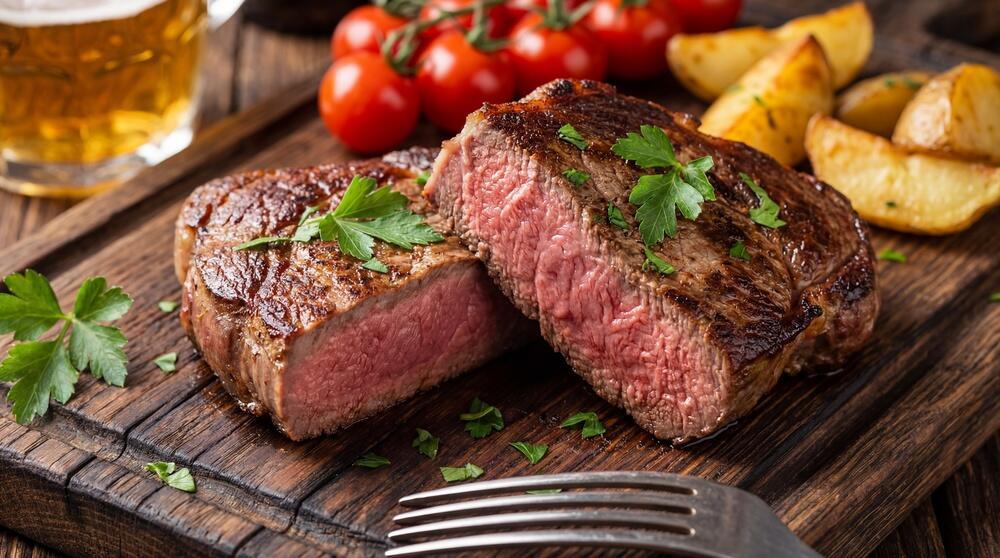
Ketogenic diet? Watch for a rise in bad cholesterol
(Photo: shutterstock)
Some groups should be especially cautious about the protein trend. “Among teenagers, it is important not to consume too much protein, and certainly not to get swept up in the protein-powder trend,” Tal Pony says. “The priority should always be getting protein through food.”
On the other hand, some groups need to make sure they are getting enough protein. These include older adults at risk of sarcopenia, the loss of muscle mass, and people taking weight-loss medications who significantly reduce the amount of food they eat.
“When weight drops drastically over a short period, muscle mass can also decline,” she says. “In such cases, it is especially important to ensure sufficient protein intake and combine it with strength training.”
Dr. Segal adds: “High-intensity athletes, people after surgery or people recovering from injuries need increased protein supplementation. We know protein helps recovery, and it is also important for trainees who are in a cutting phase, in a caloric deficit, to preserve muscle mass.” Too little protein can also cause problems, and the signs may appear gradually.
“Protein deficiency can harm muscle mass and lead to physical weakness and reduced muscle strength,” Tal Pony says. “Hair loss, brittle nails, peeling skin and loss of skin elasticity can also appear. In more severe cases, when albumin levels in the blood are low, swelling can also occur, but that is already a state of severe protein deficiency.”
Animal or plant protein?
Quantity is not the only issue. The source of protein matters too. Animal protein, such as eggs, fish, chicken, meat and dairy products, is usually considered “complete” because it provides all the essential amino acids the body cannot produce on its own.
Plant protein is a little more complicated, but that does not mean it is less recommended.
“Plant protein sometimes lacks some of the essential amino acids,” Dr. Segal explains. “That is why the recommendation is to combine different sources, such as legumes and grains, and in that way receive everything the body needs.”
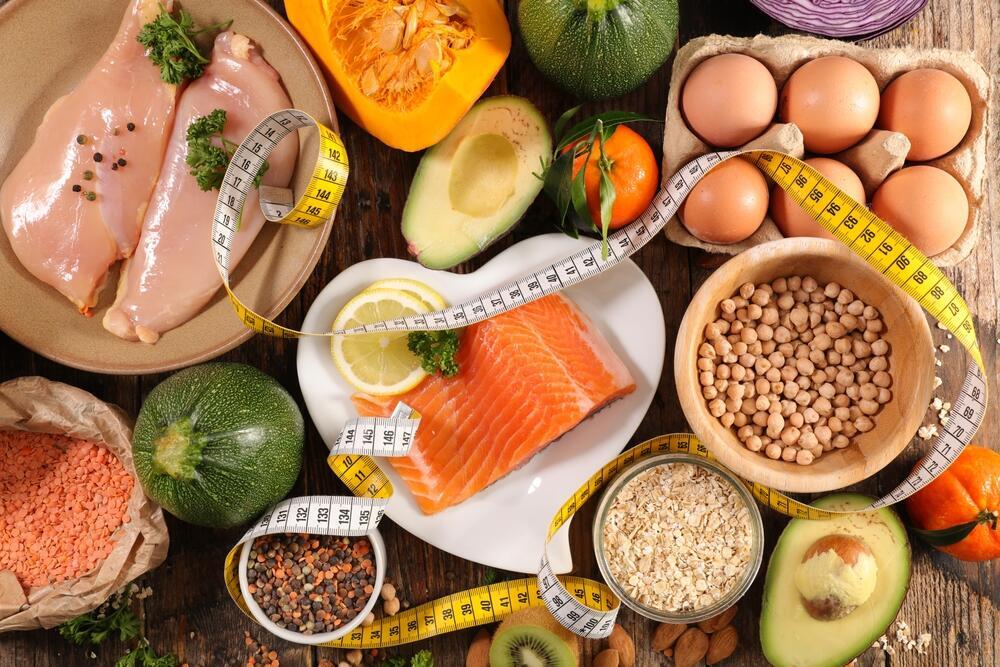
Incorporate protein from different sources into your diet
(Photo: Shutterstock)
Tal Pony says the answer is not to avoid plant protein, but to combine it properly.
“According to studies, the preference today is to incorporate more plant protein and reduce consumption of animal protein, in line with the principles of the Mediterranean diet,” she says. “When you combine a grain and a legume, together you get a complete protein. What is missing in one exists in the other. A simple example is mujaddara, which is based on rice and lentils.” In practice, protein sources can be highly varied.
“When it comes to dairy products, cottage cheese, white cheese and different types of yogurt can be good sources, and today there is also a large selection of yogurts with added protein,” Dr. Segal says. “From animal sources, there is chicken breast, fish of all kinds, eggs, tuna and salmon. From plant sources, there are soybeans, chickpeas, lentils, legumes of different kinds and tofu.”
What about protein powders and bars? Protein powders and bars can be convenient, but experts say they should not replace balanced meals.
“Generally, protein powder is a good solution for someone who does not have food available,” Dr. Segal says. “But I do not think it is a substitute for a good, complete meal with protein. It should be treated as an addition, not instead of food. It can help us reach the amount of protein we want in a day, but it is definitely not a substitute for meals.”
He says it is important to check the sugar content of these products, especially bars more than powders. “Not every product labeled protein is necessarily a healthy choice,” he says.
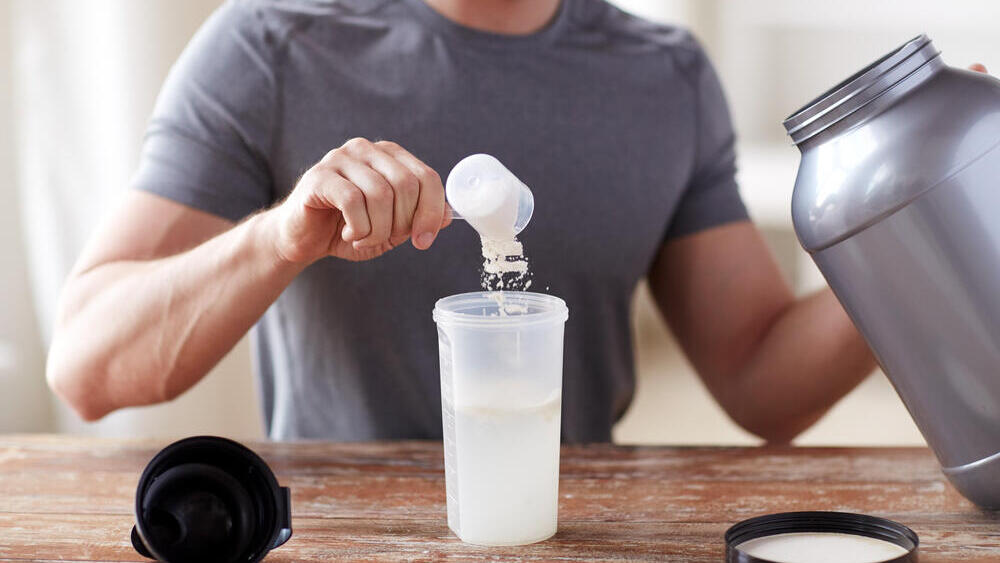
Protein powder
(Photo: shutterstock)
The quality of the powder also matters. “If using protein powders, it is important to check that they are monitored by a third party,” Dr. Segal says. “Tests have been conducted on many protein powders around the world, and in some cases the amino acids were found to be at a low level. That is why it is worth choosing powders that have been tested by an independent body.”
Do you have to eat protein right after a workout?
One of the most persistent myths is the idea that if you do not eat protein immediately after training, you have missed the “window of opportunity” for building muscle.
“That was really a myth that was common for years,” Dr. Segal says. “People used to talk about a window of 30 to 45 minutes after training, but today we know it is a bit more flexible. You do not have to eat protein immediately, but you also should not wait too long. We are talking about a range of several hours.”
More important than chasing the exact minutes after a workout is distributing protein properly throughout the day.
“We want to spread protein intake throughout the day and not rely only on the portion after training,” he says. “It is advisable to give the body some kind of protein boost after a workout, but it does not have to be half an hour later. An hour and a half, or even three hours after training, is completely fine.”

‘Spread your protein intake throughout the day,’ Dr. Ohad Segal says
Tal Pony says that from the standpoint of how the body uses protein, it is better not to concentrate the entire daily amount in one large meal.
“Today, the discussion is that each meal should include about 25 to 30 grams of protein,” she says. “That is an amount the body uses more effectively in an anabolic way. In general, 20 to 30 grams of protein per meal is a reasonable recommendation.”
There is one important exception: People who trained after many hours without food should eat closer to the end of the workout.
“We would want them to take in a good portion of protein afterward, relatively close to training, within half an hour to an hour,” Dr. Segal says. As for eating before a workout, there is no need to complicate things.
“It is better not to eat heavy meals at least two hours before,” he says. “You can make do with something light, with an available carbohydrate that provides energy, and leave most of the protein for after the workout.”