


After decades in which the U.S. government waged a war on marijuana and classified it as a particularly dangerous drug, the Trump administration has granted federal recognition to medical cannabis dispensaries in the United States for the first time.
The Justice Department announced Friday that more than 900 dispensaries in seven states, including Texas and Florida, had received official registration from the Drug Enforcement Administration (DEA). Until recently, these businesses operated under a legal contradiction: State laws allowed them to sell medical cannabis, while federal law continued to treat it as a prohibited drug.
Gallery

Medical cannabis, now officially authorized by the US Drug Enforcement Administration
(Photo: Shutterstock)
The first registrations were issued to dispensaries in Alabama, Florida, Mississippi, South Dakota, Texas, Virginia and West Virginia. Each business was required to undergo a preliminary federal investigation, demonstrate that it operated under a state license and meet security, recordkeeping and inventory control requirements. According to a list published by the DEA, nearly 7,000 medical cannabis businesses across the United States have already submitted applications under the new process, including more than 4,000 dispensaries, along with manufacturers and distributors. The remaining applications will be reviewed in stages.
The move marks the first stage in implementing the reform promoted by President Donald Trump. In April, the Justice Department ordered the reclassification of medical cannabis sold under state licenses from Schedule I, the most restrictive category under U.S. controlled substances law, to Schedule III. Until then, medical cannabis had been classified alongside heroin, a category reserved for substances that federal law does not recognize as having an accepted medical use. Schedule III includes substances with recognized medical uses, such as ketamine and certain painkillers. The decision does not remove federal controls on cannabis but allows its medical use to be regulated under federal law.
"The American people deserve access to the best medical treatments in the world," Attorney General Todd Blanche said. He said the regulated distribution of medical cannabis through federally registered dispensaries would help expand access to chronic pain treatment while protecting public safety. However, he stressed that the Justice Department would continue prosecuting those engaged in illegal marijuana trafficking.
Tax relief, but no medical approval
Beyond the legal recognition, the move also represents a significant economic shift. For years, cannabis dispensaries have faced particularly burdensome federal tax rules. Unlike ordinary businesses, they were not allowed to deduct operating expenses such as employee salaries, rent and advertising from their taxable income because they dealt in a Schedule I controlled substance. DEA registration is expected to open the door to substantial tax relief.
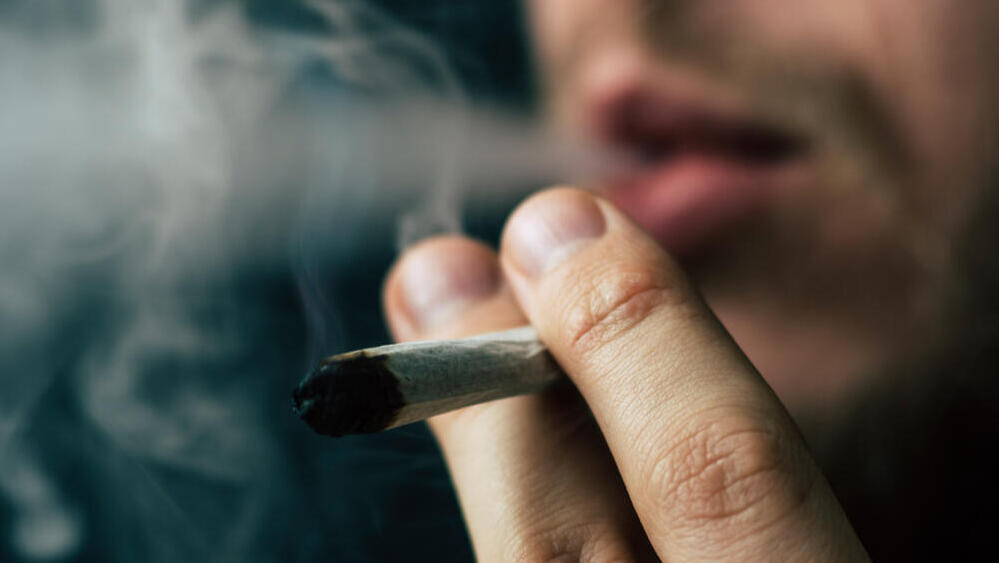
The decision does not legalize recreational marijuana use
(Photo: Shutterstock)
The registrations were issued just days before the 30th anniversary of California becoming the first U.S. state to legalize medical cannabis in November 1996. Many other states have since followed suit, even as the federal government continued to restrict the industry. Today, medical cannabis programs operate in 40 states. Steph Sherer, founder of the patient advocacy organization Americans for Safe Access, described the federal registrations as a major victory for patients, saying that for the first time, the federal government was recognizing the dispensaries that patients had fought for three decades to establish.
However, federal registration for dispensaries does not amount to medical approval of the products they sell. The U.S. Food and Drug Administration (FDA) has not approved the cannabis plant itself as a treatment for any disease, although it has approved several medications containing cannabis-derived compounds. The decision also does not legalize recreational marijuana use at the federal level. A broader proposal to reclassify marijuana as a whole is being considered through a separate process.
For now, the American paradox remains. In New York, a person can walk into a store and buy marijuana without any medical justification, while in Texas, patients must still meet strict requirements to obtain it as a treatment. Even after the federal policy shift, whether Americans can use cannabis depends not only on their medical condition but also on the state in which they live.