


Few public figures have had their body weight become as much a long-running public issue as Oprah Winfrey. For decades, she has spoken candidly about diets, failures, successes and the emotional toll of a lifelong struggle with weight. Last week, a new — and perhaps particularly charged — chapter was added to that story. In a conversation on her podcast with former tennis star Serena Williams, Winfrey publicly addressed her use of GLP‑1 drugs and the broader implications of treatments that don’t end when a target weight is reached — including the medical classification of obesity as a chronic disease.
The conversation didn’t happen in a vacuum. Williams, one of the most recognizable athletes in the world, joined the podcast in her new role as an ambassador for a digital health platform offering access to GLP‑1 treatments. As part of this role, she is featured in a public campaign promoting personal choice in obesity treatment. The fact that Winfrey — long associated with highly publicized weight fluctuations — was speaking with Williams, who came to the discussion both as a public figure and as part of a formal campaign, turned the conversation into far more than just a personal exchange.

During the podcast, Winfrey revealed that after a period of using GLP‑1 drugs — which mimic the human hormone responsible for regulating satiety — she stopped the treatment and found that she regained weight. This experience, she said, led her to realize that these medications are not a temporary fix or a one-time tool, but a treatment that may be needed long-term. Her comments, framed as part of an open conversation rather than an official medical statement, reignited a broad public debate about whether weight‑loss drugs should be viewed as chronic medications — similar in nature to treatments for blood pressure or diabetes — rather than short‑term weight‑loss interventions.
Millions watched Oprah and Serena discuss weight‑loss injections within days
Winfrey described how she began using GLP‑1 injections in mid‑2023, at a point when she understood that, alongside lifestyle changes, she wanted to try a pharmacological aid to help manage weight. She said the treatment not only impacted the number on the scale but also her relationship with food and reduced what she called “food noise” — a sensation she has spoken about for years as central to her ongoing weight struggle.
However, in early 2024 she decided to see what would happen if she stopped the treatment for an extended period. She ceased the injections for almost a year, maintained healthy eating and physical activity — and yet gained back approximately 9 kilograms. That experience, she said, reinforced her understanding that using GLP‑1 drugs “is not a short intervention, but a continuing therapy that may be required over time, similar to treatment for other chronic medical conditions.”
Winfrey also discussed side effects she experienced during drug use, including constipation, which she said often receives insufficient attention in public discussions about weight‑loss medication despite having a real impact on daily life.
Her personal testimony sharpened a central question hanging over the GLP‑1 era: Are these drugs temporary weight‑loss tools or long‑term medical treatments for managing obesity — and what does long‑term use mean when it enters public discourse?

Serena Williams in an ad campaign for weight loss injections
(Photo: Ro/Handout via Reuters)
To answer these questions and explain what is currently known from clinical experience, Dr. Idit Dotan, director of the Diabetes Unit and the Multidisciplinary Center for Obesity Treatment at Rabin Medical Center’s Beilinson Hospital, weighed in.
Obesity drugs are medical, not just 'weight‑loss injections'
First, Dotan challenges a common misconception:
“You shouldn’t call them ‘weight‑loss injections.’ These are injections for the treatment of obesity. Once you call them by the correct name, you can already understand why you cannot stop them — because if a person has a disease and they are receiving treatment, they’re not supposed to stop the treatment. When you call them ‘weight‑loss injections,’ it sounds like something aesthetic, which is not correct, because it’s not aesthetic — it’s medical and health related.”
To explain why these medications cannot be seen as a short‑term solution, Dotan first describes the biological mechanisms behind them.
“GLP‑1 (glucagon-like peptide-1)is a hormone from the incretin family,” she says. “Other hormones like GIP (glucose-dependent insulinotropic polypeptide) belong to this family as well. Why am I telling you this? Because the drug Wegovy for treating obesity contains only GLP‑1, and another drug, Mounjaro, which is also used for obesity, contains a combination of both, so both are of interest.”
According to Dotan, these hormones are released naturally by the digestive system after eating and act through several central mechanisms.
“They have four main effects. The first effect is increasing insulin secretion from beta cells in the pancreas in a glucose‑dependent manner. That means the hormone doesn’t cause beta cells to release insulin randomly — it does so only after food. In addition, it reduces glucagon secretion from alpha cells in the pancreas, a hormone that causes the liver to produce more glucose. When glucagon secretion is reduced, there is less glucose production. These two effects serve in the treatment of type 2 diabetes.”
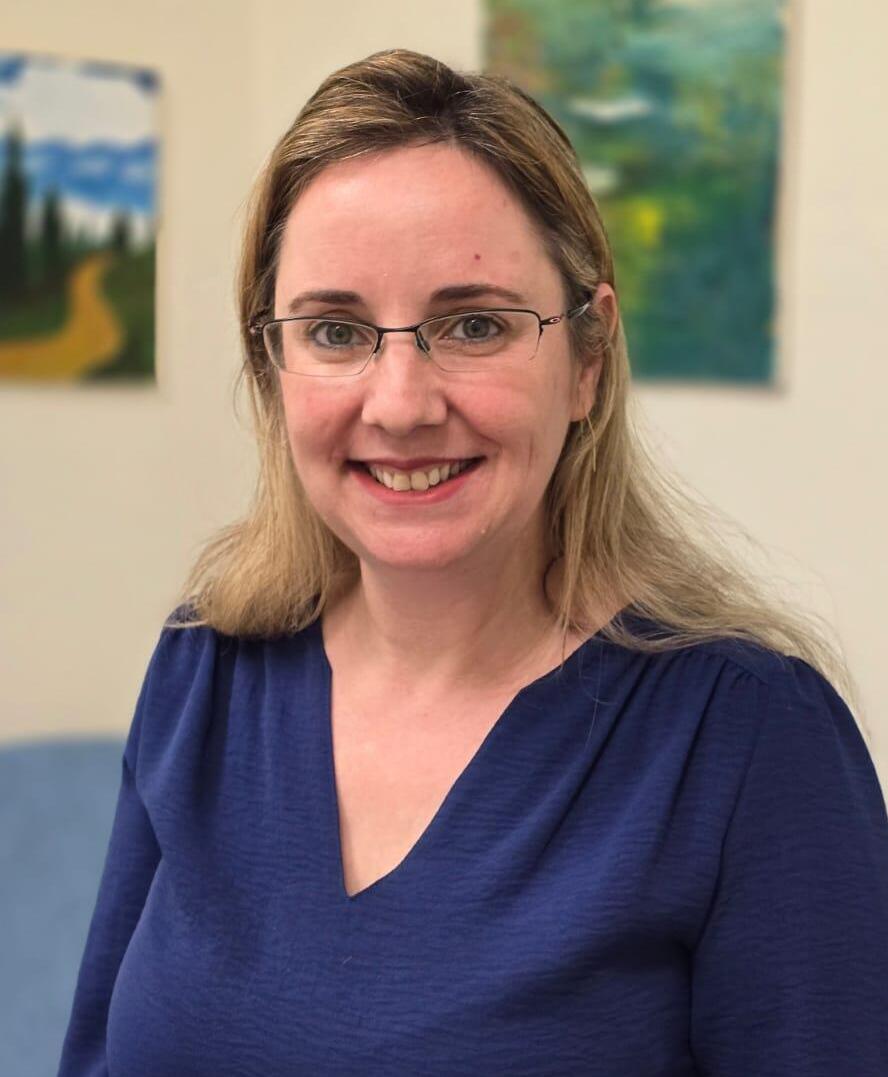
Dr. Idit Dotan, director of Diabetes Unit and Multidisciplinary Center for Obesity Treatment at Rabin Medical Center’s Beilinson Hospital
(Photo: Spokesperson, Beillinson)
Beyond metabolic effects, Dotan emphasizes the influence on hunger and satiety.
“The hormone slows gastric emptying, which makes food stay in the stomach longer, so people crave snacks less between meals. It also increases the feeling of fullness through a direct effect on the satiety center in the hypothalamus, reducing portion size during a meal. The patient feels satisfied and stops eating because they are full, not out of restriction or avoidance of a certain amount of food.”
In this context, Dotan stresses that GIP also plays a significant role.
“In obesity, fat tissue becomes inflamed and full of fat and has difficulty absorbing additional fat, leading to fat accumulation in various other organs (ectopic fat deposition). When fat accumulates in the liver, it causes fatty liver disease. If fat deposits in the pancreas, the fatty pancreas produces less insulin; if in muscle, the muscle becomes insulin resistant and weakens; and if around the heart and blood vessels, it leads to atherosclerosis and impaired heart function (heart failure),” she explains.
Why use and awareness are rising
Dotan says the combination of pharmaceutical advancement and changing medical and public perception explains the surge in use of injections.
“In recent years, because we have medications for obesity that are much more potent and effective than what existed before, along with increased awareness that this is a disease — both among medical staff and the public — there is greater popularity of these drugs among health care providers and patients, because they see that it works,” she says.
However, she emphasizes that the effects of the drugs extend far beyond what the scale shows.
“These medications are much more than weight‑loss drugs. It’s true that people lose weight and feel better, quality of life improves and self‑image improves, and that is very important in obesity — but in addition, there is improvement in blood sugar control in diabetes or prediabetes, improvement in lipid profiles, a certain reduction in blood pressure, improvement in fatty liver disease, improved sleep apnea, improvement in osteoarthritis of the knees (arthritis related to weight), and improvement in cardiovascular disease morbidity and mortality.”
Biology vs. diet
But the body, it turns out, does not truly like weight loss. It interprets it as a threat and reacts accordingly: hunger increases, fullness decreases and it tries to conserve energy. As long as the drugs are part of the picture, this mechanism is held in check. Once they are removed, physiology returns to the forefront — and the kilograms pile up again. This is a biological fact, and understanding it resolves much of the debate around long‑term use of obesity medications.
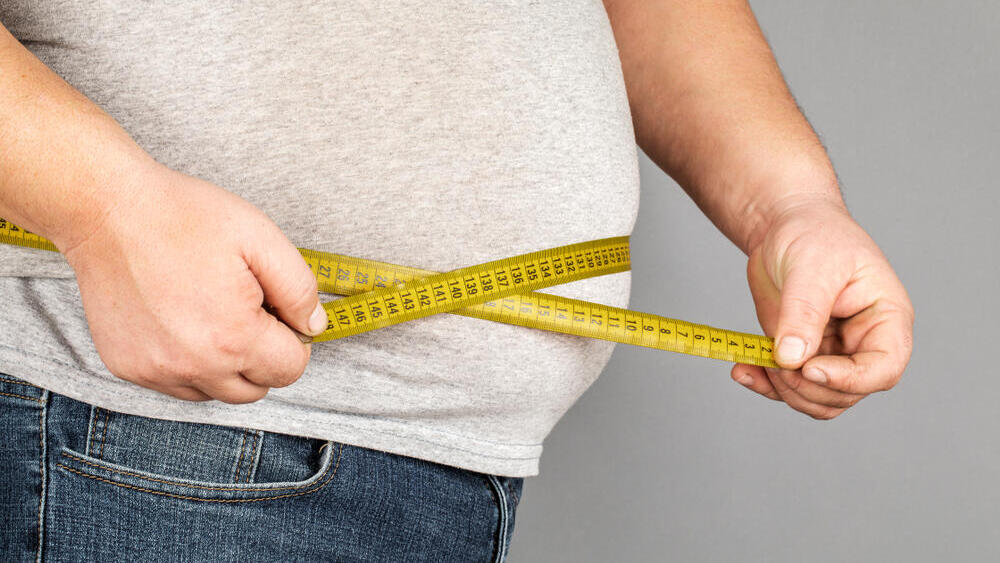
Obesity
(Photo: Shuttershock)
“When a person loses weight, several processes occur in the body,” Dotan continues. “First, the hunger hormone ghrelin rises significantly, so a person who loses weight becomes much hungrier. On the other hand, satiety hormones like GLP‑1 and others decrease, and the person feels less full. They will eat more often and need larger portions to feel full. Additionally, the body undergoes a process called metabolic adaptation: the body reduces the number of calories it burns per day. All these are defense mechanisms of the body.”
To illustrate how deep and ingrained this mechanism is, Dotan goes back to basic biology.
“Think back to a caveman living in a cave during a period of famine. What would his body do? On the one hand, it would conserve energy, and on the other, it would trigger hunger so he would go out looking for food. That’s exactly what happens to the body that has lost weight. It’s normal — that’s our physiology.”
“Now think about what happens with the drugs. A patient takes a drug and loses a significant percentage of weight. Now all those defense mechanisms kick in, except the drugs change the hunger‑satiety set‑point in the brain — and they don’t help only with weight loss, but also with weight maintenance. Therefore, if I lost weight while on pharmacological treatment for obesity and then stopped the treatment, I no longer have what was preserving me.”
Clinical evidence and long‑term reality
This biology is well documented in numbers, curves and years‑long follow‑ups.
“In a study aimed at preventing diabetes in people with prediabetes and obesity, we saw that during the intensive intervention phase (through diet and physical activity changes) there was significant weight loss, and when the intervention was stopped there was weight regain over the years, almost back to baseline,” Dotan notes, and she cites another example.
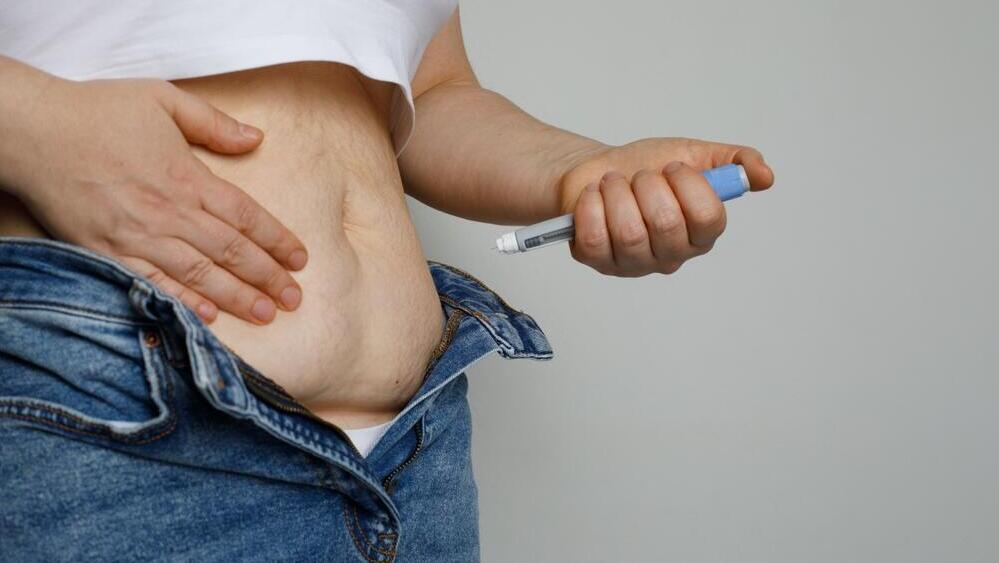
Injections to treat obesity
(Photo: Shutterstock)
“If we look at people who participated in the U.S. reality program ‘The Biggest Loser,’ we see that during the extremely intense 30‑week intervention they lost an average of 58 kg as a group, and when they were followed up six years later, they had regained more than 40 kg of the lost weight (group average).”
“We also have research evidence from studies related to Saxenda, Wegovy, and Mounjaro. In all three obesity‑treatment drugs approved locally, stopping treatment in the study leads to weight regain. In fact, I can say that if someone I treated with medication lost a lot of weight, stopped the treatment, and did not regain weight, I would investigate why. I would be worried that something in their body is going against physiology.”
Medical context is key
At this point, the question is no longer just how long one takes the drug, but in what context. Is it a medical tool embedded within a broad health‑oriented therapeutic process, or a shortcut detached from overall health context?
Dotan stresses that the gap between medical treatment for a disease and consumer or aesthetic use is one of the greatest challenges of the GLP‑1 injection era.
“When a patient comes to me in the clinic, the discussion never starts with the treatment decision,” she says. “It’s a very long conversation where I try to understand their medical background, emotional background, support systems, daily routine and life circumstances. Only after a physical exam and reviewing all the tests do we build a treatment plan together.”
She says it’s important to put the starting point on the table first.
“I always explain that obesity is a disease, and treatment for obesity is not aesthetic. I am a doctor — I do not deal in aesthetics. I take a sheet of paper, write ‘Obesity’ at the top, and begin drawing arrows — diabetes, prediabetes, high blood pressure, lipid abnormalities, sleep apnea, fatty liver, cardiovascular disease. I mark a check next to each condition the individual already has, and that way they understand they already have the complications of obesity.”

A full medical check to diagnose the problem
(Photo: Shutterstock)
Only then, she says, does treatment planning begin.
“We turn the page and build a treatment plan together: proper nutrition — not a diet, but healthy nutrition that provides what the body needs, tailored physical activity, and sometimes emotional therapy. At the Multidisciplinary Obesity Treatment Center at Beilinson Hospital, dietitians, physiotherapists and social workers work in harmony alongside doctors to accompany the extended emotional process. In addition to real lifestyle change, we discuss the possibility of medication, endobariatric treatment, or metabolic surgery — and together decide what suits each patient based on the severity of their obesity, comorbidities, and the patient’s wishes.”
At this point, the timeline becomes clear.
“The basis of all of this is lifestyle change for health, not dieting. When you draw all the comorbid conditions and understand the full picture, it’s clear to everyone in the room that we’re not running a sprint — it’s a marathon. It’s a lifelong process. There will be good periods, difficult periods, even plateaus and weight gain sometimes even under treatment. But we enter it with open eyes, understanding that it’s a continuous process and not a magic solution.”
Not a miracle drug, and not without support
Even when the discussion shifts from “how long?” to “who is it appropriate for?” one cannot ignore the possible side effects and risks, especially when treatment is long‑term, sometimes with dose escalation and physiological adaptation.
“The main and most common side effects are gastrointestinal, notably nausea,” says Dotan.
“Usually they’re not severe. There can also be vomiting. Some people have various stomach discomforts — constipation, diarrhea, gas and heartburn. These usually pass. They can reappear with dose increases and then subside. When someone manages the treatment properly, monitors the side effects, and addresses them consistently, the treatment is definitely tolerable. It’s important to remember that side effects usually pass, and that makes dealing with them easier. I can also say that any weight‑loss process can be accompanied by gallstone formation. That happens after bariatric surgery and it also happens during pharmacological treatment, and if it causes pain, it requires attention.”
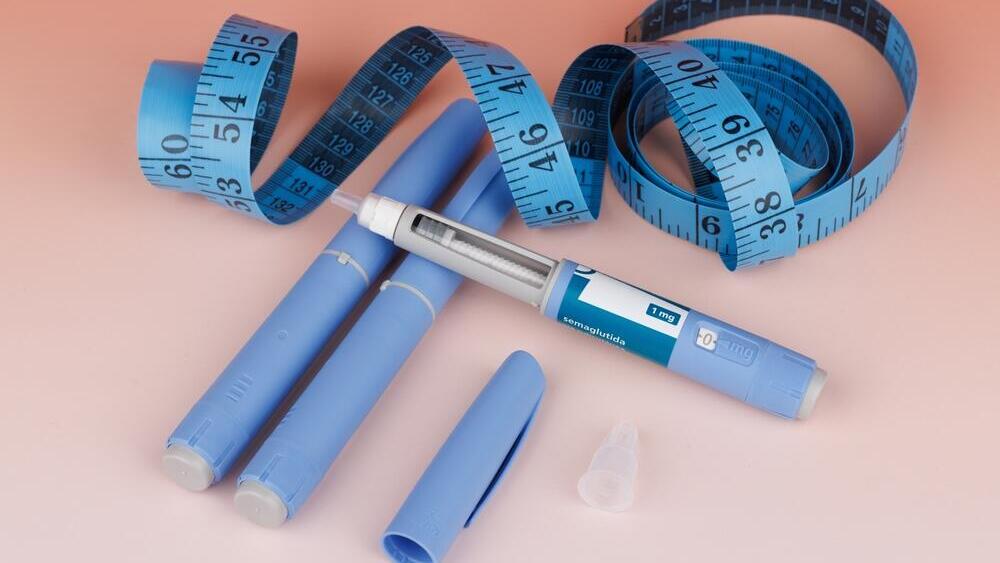
a gap has emerged between supervised medical treatment and underground use
(Photo: Shutterstock)
However, she says the biggest risk is not always in the drug itself, but in the way some people access it. In an era where weight‑loss injections have become a sought‑after product, she says a gap has arisen between supervised medical treatment and unregulated use without indication or medical supervision — a gap that can turn side effects into real harm.
“Many people obtain the medications illegally, aiming for weight loss alone, often without medical indication. Sometimes they start at doses that are too high, and sometimes the product is not even a real approved drug but various things found on the black market, and it’s hard to know what’s actually in the syringe. I strongly — very strongly — urge the public not to go through this process without medical supervision and nutritional guidance.”
Preserving muscle mass
Beyond supervision, she stresses that certain populations require extra caution and specialized care.
“People with significant loss of muscle mass (sarcopenia) are a risk group. In any weight‑loss process aimed at reducing fat mass, there will also be some loss of muscle mass. Sarcopenia is a possible side effect of GLP‑1 agonist treatment, mainly as part of rapid weight loss and not as a direct result of the drug itself.”

(Photo: Shutterstock)
“When weight loss isn’t accompanied by preservation of muscle mass, there can be relative muscle loss alongside fat loss, a process that can affect strength, function and quality of life, especially in older age. However, this risk can be significantly reduced. Ensuring adequate and high‑quality protein intake throughout the day, combining regular physical activity especially with strength and resistance training, and avoiding extreme low‑calorie diets can minimize this phenomenon. The emphasis should be on medical and nutritional monitoring that prioritizes health and improved body composition — fat loss with muscle mass preservation.”
She notes that people with eating disorders or a history of pancreatitis are also at higher risk.
“You need someone with expertise in the field — someone for whom this is their profession, like at an obesity treatment center," she explains. "Most people who will receive obesity treatment can do so successfully with their family doctor in community care, but more complex patients should be treated in a setting that has a trained multidisciplinary team, who can provide an appropriate professional framework with close supervision."
First published: 14:55, 01.25.26