

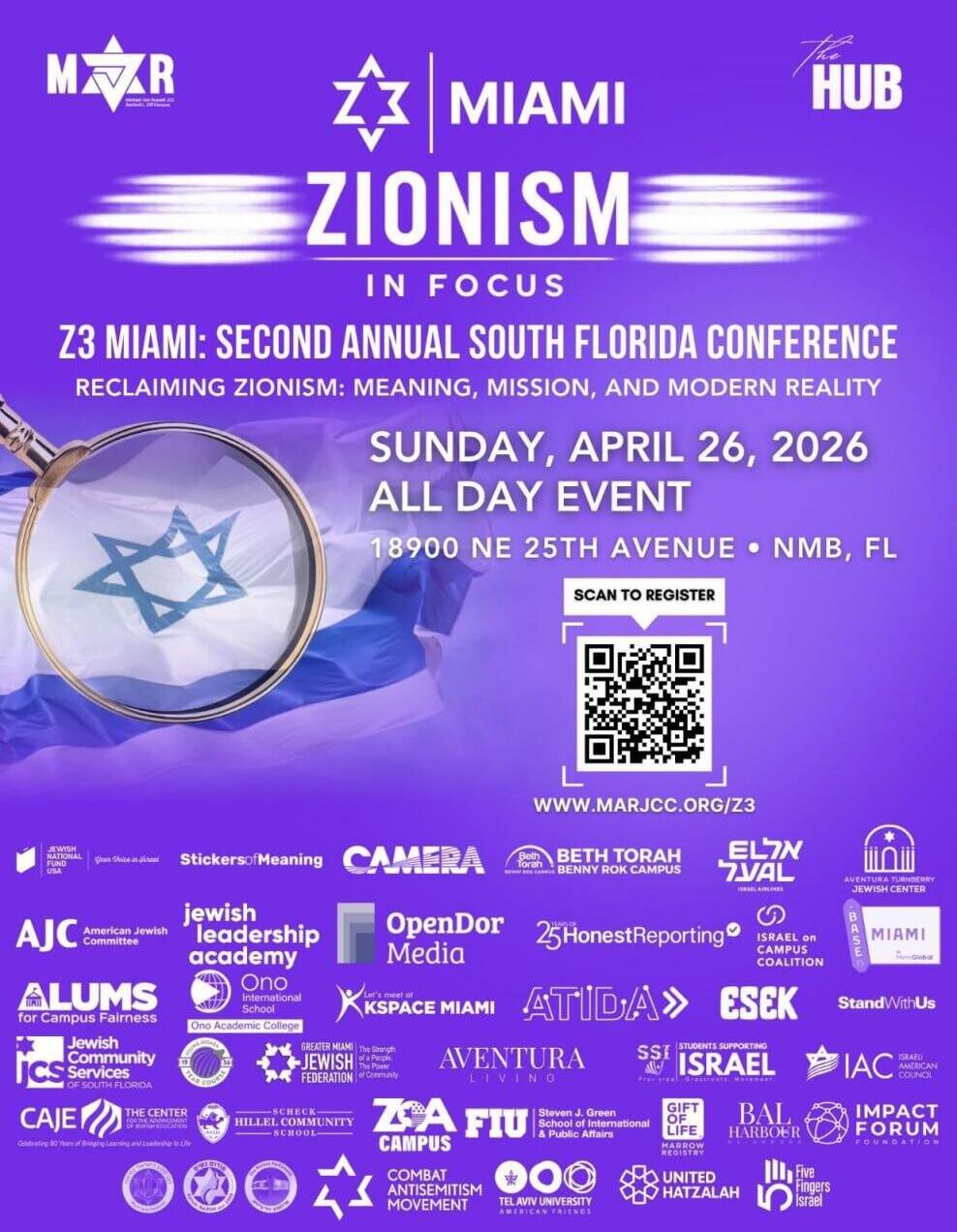
Over the past week, a delegation from the “Five Fingers” movement traveled to the United States and Canada as part of a broader initiative to deepen engagement with Jewish communities in the Diaspora. The visit included a series of meetings with diverse communities, activities with pre-military academy participants expected to arrive in Israel in the coming year, participation in the, Z3 International Zionist Conference in Miami, and sessions in Jewish schools across Canada.
Yet beyond the packed schedule, what became clear throughout these encounters was a shared and pressing need for a new educational language.
At a time of complexity for Israel and the Jewish people-when questions of identity, belonging, and resilience are at the center of the conversation-it is becoming evident that the challenge is not only to preserve connection, but to rebuild it in a deeper and more relevant way for the younger generation.
During one of the meetings, Five Fingers CEO Dror Yanai posed a seemingly simple question to participants: “What is Zionism in 2026?”
One response, given by a participant, stood out in its clarity:
“Jews already have a state. Now our role is to ensure that it is a strong and values-driven state.”
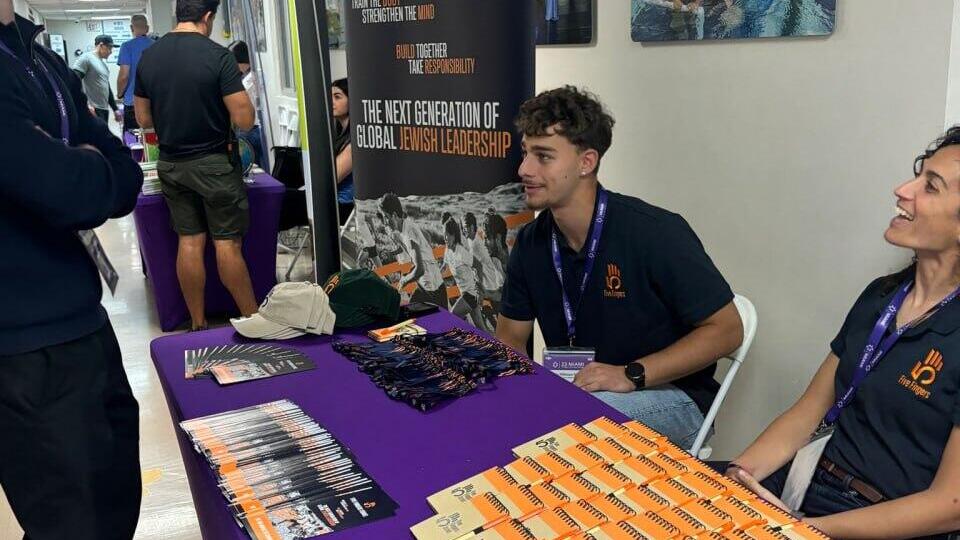
Five Fingers meeting
(Photo: Liam Millman)
In a single sentence, an entire worldview was captured—Zionism not as a historical memory, but as an ongoing, active mission. Not merely as a right, but as a responsibility.
This response does not stand alone. It reflects a broader need that emerges repeatedly across communities: a shift from symbolic identity to practical commitment. From identification—to responsibility.
This is where the Five Fingers model comes in.
The movement’s educational approach, developed in Israel, focuses on building personal resilience, discipline, teamwork, and the pursuit of excellence-but above all, on cultivating a sense of purpose. An education that asks not only “Who am I?” but also “What is my role?”
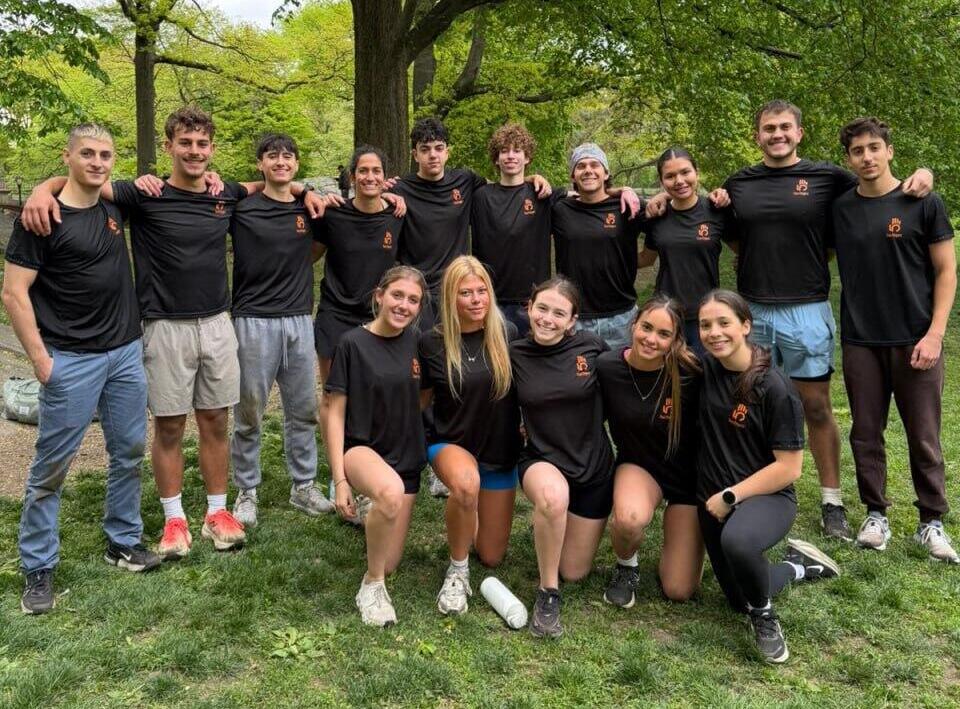
Five Fingers meeting
(Photo: Liam Millman)
The expansion into North America is no coincidence. It stems from a strategic understanding: Jewish communities in the Diaspora are facing deep challenges-growing distance from identity, declining engagement, and at times difficulty in articulating a contemporary relevance for the Zionist idea.
And yet, within this reality, there is also opportunity.
An opportunity to create a different kind of connection—one that is not based solely on emotional affiliation, but on action, responsibility, and leadership. One that seeks to build a generation that sees itself as part of a larger mission, not just part of a community.
The activities of the past week-from engagements with pre-military academy participants, to discussions at the Z3 conference, to direct work in schools-demonstrated just how strong the demand for this approach truly is.
But to translate this potential into broad impact, partnership is essential.
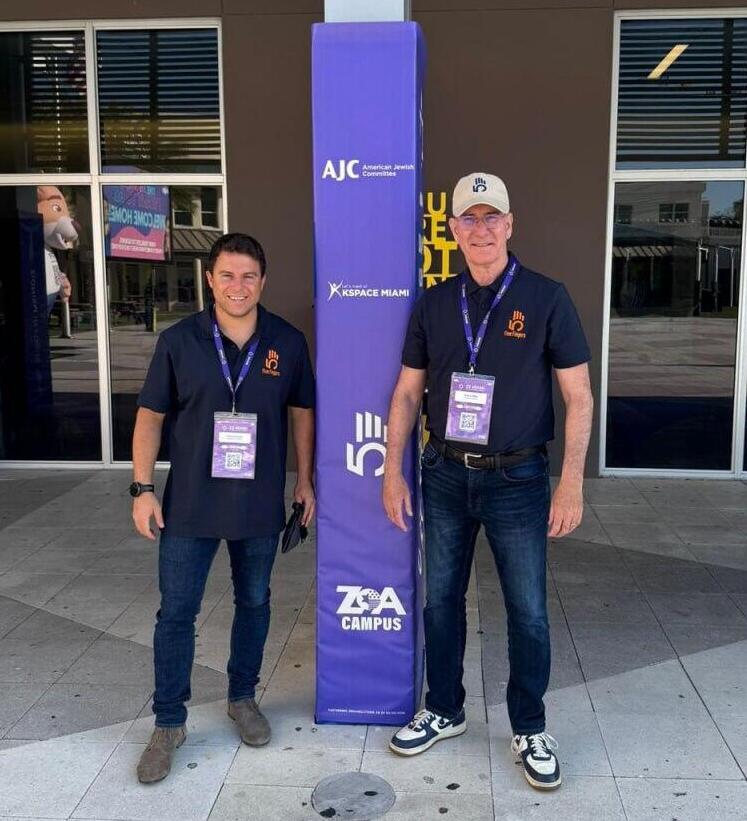
Five Fingers meeting
(Photo: Liam Millman)
Organizations, communities, foundations, and local leaders who understand that the future of the Jewish people is not a given-and that it depends on the ability to invest deeply and intentionally in the next generation. Partners who seek not only to strengthen connection, but to shape identity.
Especially now, in a time of challenge, the opportunity to lead becomes even clearer.
To lead education grounded in values, responsibility, and excellence.
To lead a conversation that connects Israel and the Diaspora not only through a shared past-but through a shared future.
And to lead a generation that understands: a state already exists-the real question is what kind of state we will build together.