


Against the backdrop of a dramatic rise in antisemitic incidents across Western countries since the outbreak of the war on October 7, Israel on Tuesday approved a wide-ranging national plan aimed at encouraging mass immigration from those countries.
The Ministerial Committee on Immigration and Absorption approved a draft decision titled “Nevertheless – Aliyah of Renewal,” which will take effect on January 1, 2026. The plan is designed to promote and support large-scale immigration from countries where antisemitism has risen sharply, including France, Britain, Canada and Australia.
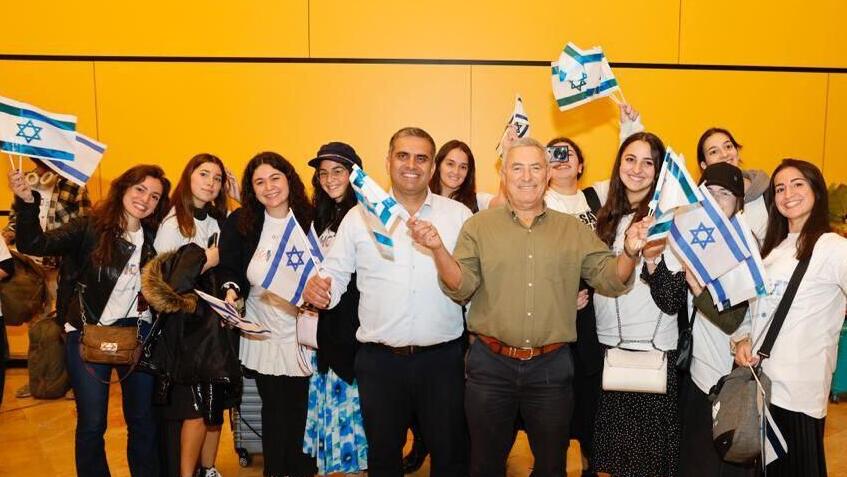
According to data from the Diaspora Affairs and Combating Antisemitism Ministry, the World Zionist Organization and the Jewish Agency, antisemitic incidents rose by hundreds of percentage points between 2022 and 2025, including a 562% increase in Canada, 450% in Britain, 350% in France and 387% in Australia.
At the same time, there has been a sharp increase in the number of Aliyah applications opened in those countries, up to 384% in France and 218% in Britain, though officials say a significant gap remains between applications and actual immigration.
The approved plan addresses several key areas, including reducing bureaucracy, housing, Hebrew-language instruction, education, employment and community integration. It is intended to provide support from the pre-Aliyah stage through long-term absorption in Israel.
Measures to ease bureaucratic barriers before immigration include canceling the apostille requirement for documents through the end of 2026, establishing a digital system to transfer documents and approve immigration visas within 30 days, extending the validity of police clearance certificates to one year, and shortening eligibility approvals for Law of Return applicants from target countries to 30 days.
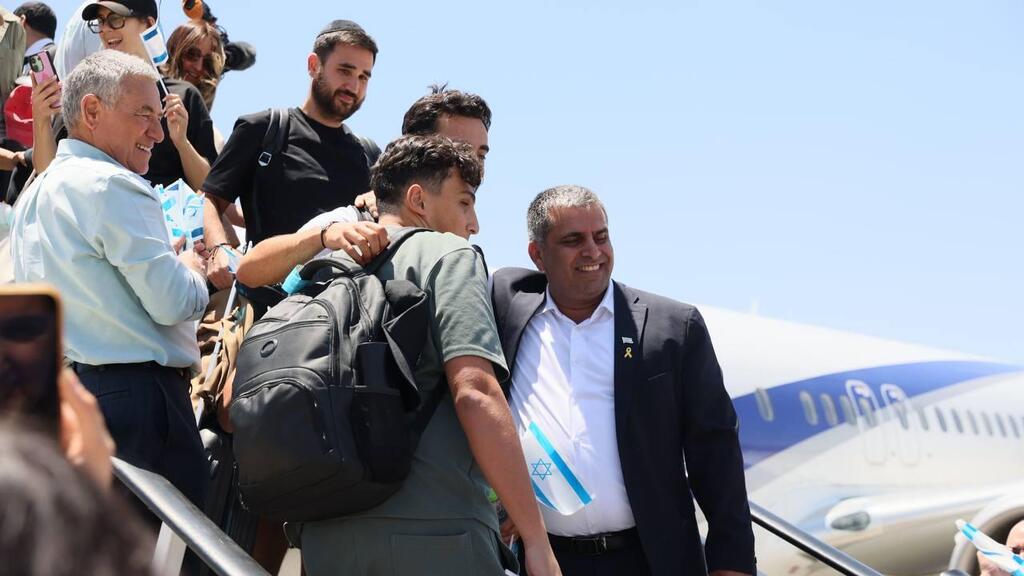
The arrival of about 110 new immigrants from France, Britain, Spain and the Netherlands
For immediate assistance during absorption in 2026, the plan includes a monthly adjustment grant for 12 months, with no rental requirement. Individuals or elderly immigrants would receive 2,300 shekels per month, families with up to two children 2,900 shekels, and families with three or more children 3,400 shekels. The dedicated budget for this component is about 170 million shekels for 2026 and 2027.
In the area of long-term housing, the plan offers increased rental assistance of 3,000 shekels per month for families settling in northern and southern Israel, Judea and Samaria, and Haifa, starting from month 13 and lasting 24 months. It also calls for the creation of a dedicated housing unit within the Ministry of Aliyah and Integration, changes to eligibility rules under discounted housing programs to give equal priority to new immigrants, and exemption from housing eligibility fees.
Education measures include expanded ulpan hours, between six and nine weekly hours during the first years, family-based educational guidance, individual academic support, extracurricular programs for immigrant children and consideration of dedicated schools for immigrants from the target countries.
In employment and community integration, the plan provides career guidance already at the pre-Aliyah stage, professional training tracks, funding for courses and incentives for employers. It also includes “absorption umbrella” agreements with local authorities that commit to higher intake levels in exchange for additional funding, totaling 75 million shekels annually in 2026 and 2027.
Aliyah and Integration Minister Ofir Sofer is expected to lead implementation of the plan through an interministerial team of directors general to be established within 14 days. The overall budget is expected to reach hundreds of millions of shekels between 2026 and 2029, with most of the funding allocated to the initial years.
Officials said the decision aims to turn significant Aliyah potential into reality, drawing lessons from previous immigration waves, including from Ukraine, and ensuring long-term integration.
“This is a historic opportunity to strengthen the State of Israel precisely at a time of crisis for Jewish communities abroad,” the Ministry of Aliyah and Integration said, “through smart, rapid and inclusive absorption.”